Shoppers of history and curious locals are pointing their maps toward Baltimore , preservationists are working to get Maryland’s LGBTQ sites recognised on the National Register of Historic Places, bringing vanished stories into the open and making everyday places feel meaningful.
Essential Takeaways
- Active campaign: Baltimore Heritage is leading a project to document Maryland’s LGBTQ sites and pursue National Register recognition.
- Research foundation: Preservation Maryland produced a comprehensive study of LGBTQ sites after a grant-funded effort, giving the campaign a jump‑start.
- Notable examples: Sites linked to figures such as Mary Elizabeth Garrett are already identified as historically significant and anchor the narrative.
- Practical process: Listing follows established National Register criteria administered by Maryland’s historical trust, requiring research, evaluation and nomination.
- Community value: Designation raises public awareness, encourages preservation and helps tell a fuller civic story about who shaped Maryland.
Why this push matters now , history with a human texture
There’s something quietly powerful about a blue plaque on an ordinary rowhouse or a marked birthplace on a busy avenue; it gives a lived life a public stage and, in this case, restores LGBTQ stories that local people recognise by memory but rarely see represented on maps. Baltimore Heritage has been running walking tours and gathering community history for years, so this campaign feels like the natural next step. According to Baltimore Heritage’s project materials, they want these sites to be visible, understood and preserved for future generations.
Where the research comes from , a ready-made inventory
This drive isn’t starting from scratch. Preservation Maryland secured funding and commissioned a two‑year study that compiled a broad list of LGBTQ heritage sites across the state, a resource that organisers are now using to justify nominations. Having that groundwork speeds the process and gives nominations some scholarly weight. That matters, because the National Register depends on clear documentation showing a place’s significance.
How the National Register route works , the practical bit
Getting a site listed is procedural as well as passionate. The Maryland Historical Trust oversees nominations, applying the National Register’s criteria and asking for careful evaluation, descriptions and context. Anyone aiming to nominate a building or district will work with MHT staff on research, complete nomination forms and show why the place is important to local or national history. That means neat paperwork, archival digging and a bit of patience , but also the payoff of formal recognition and some protection against careless change.
Examples that bring the story alive , people, places and surprising links
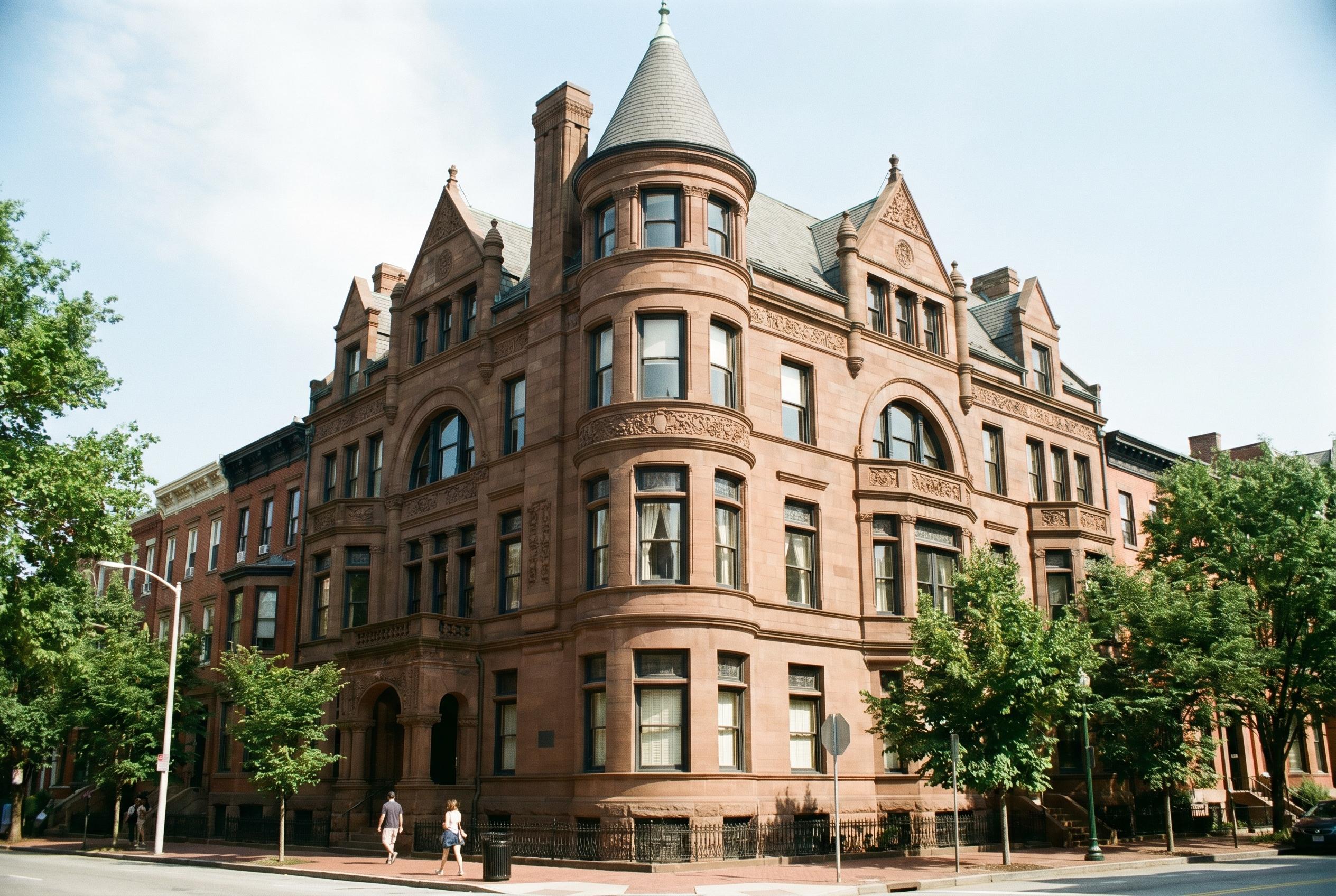
Take Mary Elizabeth Garrett’s Mount Vernon home: she’s an unmistakable anchor because of her role in women’s education and the more private side of her life that scholars now link to same‑sex relationships. These layered stories make sites compelling for historians and visitors alike. Baltimore Heritage’s walking tours have turned such locations into storytelling moments, where the buildings’ soft stone or ornate interiors suddenly carry social history you can almost touch.
What this could mean for neighbourhoods , preservation with community impact
If Maryland succeeds in adding LGBTQ sites to the National Register, it will do more than add entries to a database. Designation can boost local pride, encourage heritage tourism and persuade owners and planners to think twice before demolishing or altering significant places. It also helps expand the public narrative so schoolchildren, neighbours and newcomers learn a fuller version of their city’s past. Baltimore Heritage says the goal is a broader, deeper conversation , and that sounds like a win for civic memory.
It's a small change that can make everyday places speak louder about who we were and who we are.
Source Reference Map
Story idea inspired by: [1]
Sources by paragraph: