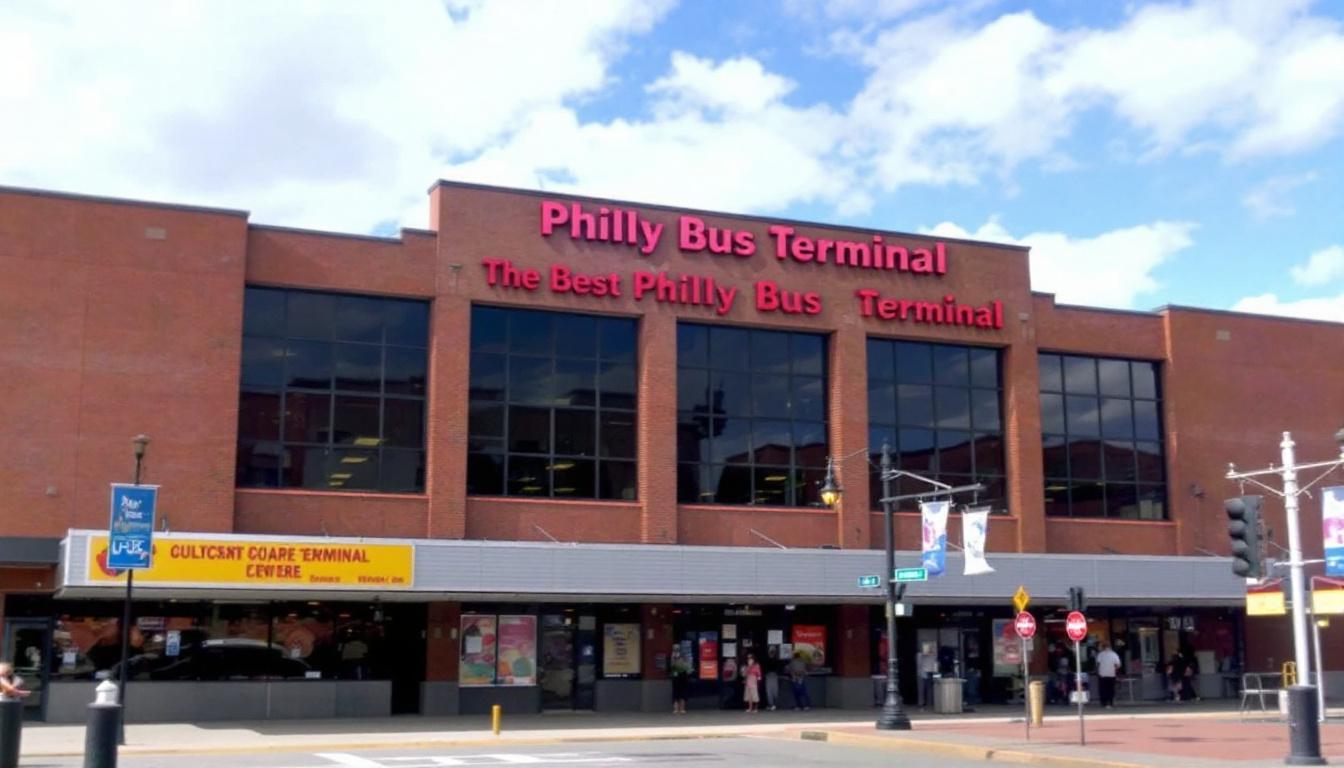
Shoppers and commuters are noticing a big change downtown: the former Greyhound terminal at 10th and Filbert has reopened as a city-run PPA intercity bus station, offering shiny floors, ADA-accessible bays and an end to curbside pickups, what riders need to know and why the city is already planning next steps.
Essential Takeaways
- Fresh facilities: The renovated terminal seats 189, has 11 ADA-accessible bus bays and new bathrooms, covering about 44,000 sq ft.
- Short-term fix: The city opened the site under a 10-year lease to return intercity buses to Center City.
- No more curbside chaos: Reopening ends the controversial practice of buses picking up and dropping off on sidewalks.
- Long-term choices: Philadelphia is weighing three permanent locations, near 30th Street Station, Logan Square, or the current 10th and Filbert site.
- What riders notice: Quieter, cleaner waiting areas, clearer signage and a more secure feeling for midday and overnight travel.
A tidy comeback: the new PPA transportation centre opens its doors
The most striking thing when you walk in is the bright, polished floor and the smell of fresh paint, this isn’t the Greyhound station you remember. According to PPA and city reports, the space now includes 11 accessible bays and room for nearly 200 waiting passengers, designed to handle the steady flow of intercity buses that used curbside spots for years. Riders have praised the cleanliness and the sense of order; it’s obvious the city wanted a clear, user-friendly stop rather than the ad-hoc pickup lines of the past. For everyday travellers, that means fewer surprises and a more dependable place to start a trip.
Ending curbside pickups: why that matters for safety and traffic
Curbside pickups had become a flashpoint for residents and drivers, clogging sidewalks and streets and leaving people exposed to weather and hazards. Bringing buses back inside a dedicated terminal addresses those complaints immediately, with fixed bays and indoor waiting. City officials and parking authorities framed the move as both a public-safety and quality-of-life improvement, and commuters who’ve used the terminal report a calmer, more organised boarding process. If you’ve been nervous about late-night or off-peak travel, the shift to a proper terminal is a practical reassurance.
Temporary solution, big decision ahead: the 10-year lease and three options
Don’t get too comfortable, the current reopening is a 10-year arrangement. The city has already narrowed potential long-term homes to three corridors: the existing 10th and Filbert site, a location near 30th Street Station, and a site around Logan Square. Each choice has trade-offs: 30th Street would link to rail and regional transit, Logan Square offers central accessibility, while the current site keeps buses in the heart of Center City. The planning documents and mayoral office discussions suggest officials are weighing connectivity, neighbourhood impact and cost. Riders should think about how they travel to and from the terminal now, your preferred option might change depending on the final site.
Design and accessibility: details that change the user experience
Accessibility got a clear upgrade: ADA-compliant bays and pathways, plus ample indoor seating and restrooms. These aren’t small niceties; for parents with luggage, older travellers and people with mobility challenges, they change whether a bus trip feels doable. Transit advocates and disability groups have been vocal about the need for thoughtful layouts, and the new terminal seems to heed that feedback. If you’re choosing a bus for the first or hundredth time, look for the accessible symbols on timetables and arrive a bit earlier while operators and staff settle into new procedures.
What to expect next: service tweaks and public feedback
In the weeks after reopening, expect incremental service changes as operators adapt to the new bays and schedules. The PPA and the city have signalled they’ll monitor traffic flow and rider feedback, and community meetings are likely as planners consider the permanent terminal location. For travellers, a practical tip: check your carrier’s boarding instructions before you head out, since signage and departure points may shift during early operations. The reopening feels like a clear improvement, but it’s also the start of another phase in a longer planning story.
It’s a small change with a big ripple: cleaner waits, safer streets and a city that’s thinking about where intercity travel belongs.
Source Reference Map
Story idea inspired by: [1]
Sources by paragraph: