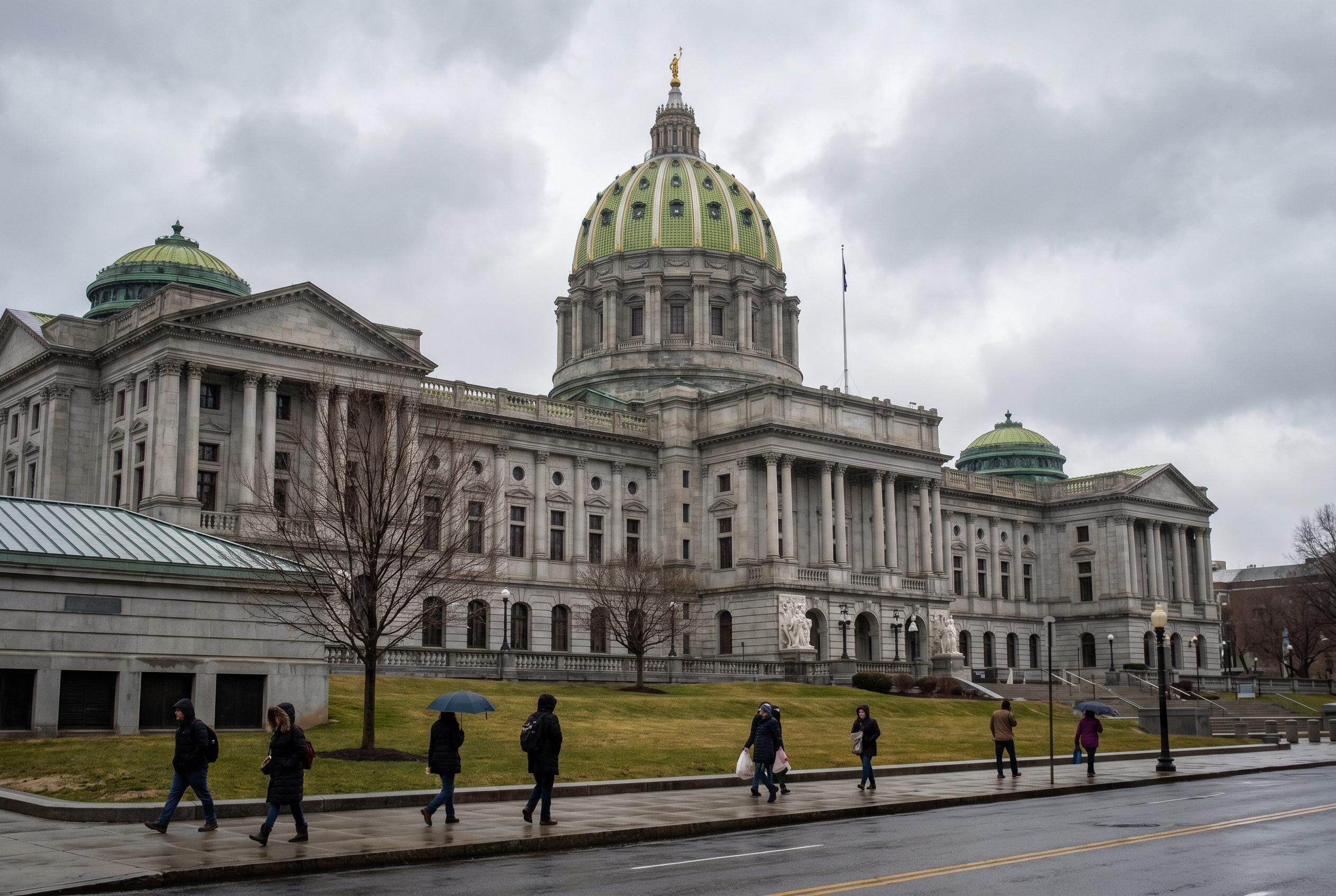
Shoppers of policy and everyday Pennsylvanians are watching as the state House narrowly approved a bill to add sexual orientation and gender identity to the Human Relations Act, a move that could change how people access housing, jobs and public spaces across the commonwealth. Here’s what passed, why it matters, and what to watch next.
Essential Takeaways
- Narrow margin: The House approved House Bill 2103 by a 101-100 vote, signalling a deeply divided chamber and a razor-thin margin for this change.
- What the bill does: HB2103 would make it illegal under Pennsylvania’s Human Relations Act to deny housing, employment or public accommodations based on sexual orientation or gender identity.
- Sponsor’s case: Democratic Rep. Malcolm Kenyatta says the bill responds to persistent, lived discrimination against LGBTQ Pennsylvanians.
- Key concerns: Opponents raised worries about impacts on women’s sports and religious liberty, framing the debate around fairness and conscience.
- Next steps: The Senate, potential amendments and public testimony are likely to shape the final outcome , and the fight isn’t over.
A close vote with clear consequences
The House’s 101-100 tally makes this more than a legislative victory; it’s a sign of how contested LGBTQ protections remain in Pennsylvania. You can almost feel the tension: lawmakers voting one way or the other knowing the result could affect someone's ability to rent an apartment or keep a job. City & State Pennsylvania reported the vote and outlined the immediate legal effect HB2103 would have if it becomes law.
This isn’t just a policy tweak. Supporters argue it codifies basic protections that many other states already offer, and that Pennsylvanians facing discrimination will finally have a clearer path to justice.
Why advocates kept pushing a decades-long effort
Democratic Rep. Malcolm Kenyatta, who sponsored the Fairness Act in the House, framed HB2103 as the latest chapter in a 20-plus-year push. He told colleagues the bill responds to real experiences , people being denied housing, fired or turned away from places because of who they are. That kind of testimony is both practical and emotional; it gives the bill urgency.
Groups that track civil rights and LGBTQ policy have been involved in earlier iterations and committee fights, and their continued advocacy helps explain why the measure resurfaced and won passage now.
Where critics say the bill could create problems
Opponents raised two recurring objections: competitive fairness in women’s sports and threats to religious liberty. These are common flashpoints in contemporary debates over LGBTQ nondiscrimination measures, and they help explain the close vote. Some Republican lawmakers argued that the bill, as written, could disadvantage cisgender women athletes or compel faith-based groups to take actions that conflict with their beliefs.
That said, supporters and many legal experts often point out that nondiscrimination protections can be written or interpreted to balance competing rights , something to watch if the Senate or governor demand clarifying language.
What HB2103 would change day to day
If enacted, HB2103 would update the Human Relations Act so that landlords, employers and businesses couldn’t lawfully refuse service, housing or employment because of sexual orientation or gender identity. Practically, that could mean fewer eviction or job-discrimination disputes based on identity, and more clear grounds for legal recourse when discrimination happens.
For Pennsylvanians wondering how it affects them: landlords would need updated screening practices, employers should review nondiscrimination and inclusion policies, and service providers would want staff training to avoid unlawful conduct.
The road ahead: Senate, amendments and public reaction
Passing the House is a major milestone, but not the finish line. The Senate will take up the bill, and expect hearings, proposed amendments and a public conversation that could reshape the measure. According to local reporting, committees have been advancing similar bills and civic trackers are monitoring HB2103’s progress closely.
Politically, the narrow House margin suggests negotiations and compromises are likely. Advocates will push for the strongest protections possible, while opponents may press for carve-outs or clarifications on sports and religious institutions.
It's a small change on paper that could mean a big difference in someone’s life.
Source Reference Map
Story idea inspired by: [1]
Sources by paragraph: