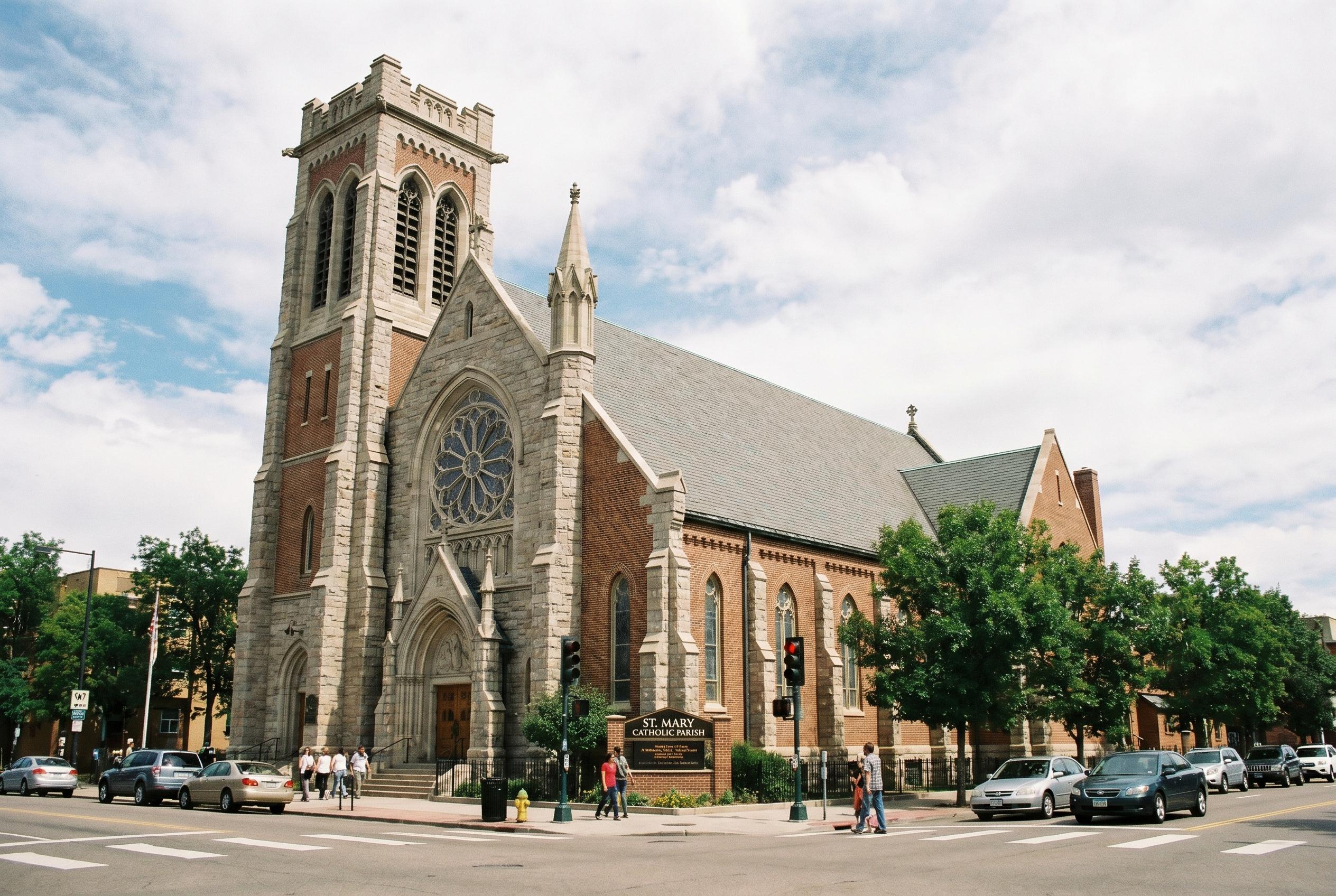
Shoppers are watching a new Supreme Court clash over religion and LGBTQ rights as Colorado’s universal preschool program is tested , who gets free preschool and whether faith-based schools can opt out matters to families, churches and the future of public funding.
Essential Takeaways
- What’s at stake: Colorado’s universal preschool requires participating preschools to sign a non-discrimination pledge covering sexual orientation and gender identity; some Catholic parishes say that conflicts with their religious convictions.
- Who’s involved: The Becket Fund represents the Catholic parishes and parents; they’re joined by several large faith groups and backed in briefs by multiple states and legal scholars.
- Lower-court rulings: A federal appeals court sided with Colorado, saying state-funded programs must be open to all; supporters of the parishes say that ruling bars religious schools from benefits available to others.
- Why it matters: The Supreme Court’s decision could alter how religious institutions access public benefits tied to neutral, generally applicable rules.
- Practical note for families: If the parishes lose, some families now paying privately could regain access to state-supported preschool; if the parishes win, religious schools may keep the right to decline enrolment based on parental conduct or beliefs.
Why this preschool case landed at the Supreme Court , and why it feels personal
The headline fact is simple: Colorado voters backed a 2020 plan to provide 15 hours of free preschool a week, but the state conditions that help on schools agreeing not to discriminate. That sounds tidy, but the sensory detail matters , for some families it means a free morning, for some parishes it feels like a forced compromise of faith. According to Baptist News, Catholic parishes around Denver refused to admit four-year-olds whose parents are LGBTQ, prompting a legal fight that has now reached the highest court. The outcome will decide whether government funding can be tied to neutral rules that some religious groups call incompatible with their teachings.
The legal tug-of-war: nondiscrimination vs religious freedom
On one side, Colorado argues that when the state pays for universal education, it can insist schools be open to everyone. A federal appeals court agreed, saying the program is religion-neutral and intended to ensure universal access. On the other, the Becket Fund says excluding faith-based preschools from public benefits violates the Free Exercise Clause because those schools are being treated differently for their religious practices. The solicitor general has weighed in favour of the Catholic parents, and multiple faith organisations filed supporting briefs, showing how the issue has quickly moved from a local dispute to a national fight about public benefits.
Who’s backing whom , and why the alliances matter
This is not just a church-versus-state spat. The Becket Fund has cultivated a string of victories at the Supreme Court and now counts the National Association of Evangelicals, the Ethics and Religious Liberty Commission of the Southern Baptist Convention, the LDS Church and others among supporters. Meanwhile, religious-liberty skeptics and church-state advocates, like Americans United for Separation of Church and State, cheered the appeals court’s decision as a classic example of a neutral, generally applicable condition on a public benefit. That coalition-building tells you the ruling will resonate well beyond Colorado classrooms, influencing how states design publicly funded programs.
What the ruling could change for parents and preschools
If the court sides with Colorado, states will feel confident in attaching civic, non-discrimination requirements to publicly funded programmes. Practically, that means archdiocesan preschools that choose not to change admissions policies could be excluded, and families would still have state-funded alternatives. If the court sides with the parishes, religious schools could claim an expanded right to access public benefits without complying with certain secular rules , which could leave states scrambling to reconcile religious exemptions with antidiscrimination goals. Either way, many parents will be watching because this affects whether their child’s preferred programme stays affordable and accessible.
Broader context: how this fits with recent Supreme Court religion rulings
This case arrives on the heels of several high-profile decisions where the court prioritised religious claims, from wedding vendors to therapy bans. The Roberts Court’s more religion-accommodating posture has critics who argue the separation of church and state is shifting; supporters argue the court is correcting past encroachments on faith. Observers such as the Center for American Progress warn of increasing entanglement of religion and government, while faith advocates frame the fight as equal treatment. Either way, the ruling in St. Mary Catholic Parish v. Roy will be another data point in the court’s evolving doctrine.
Closing line It’s a small preschool programme on paper, but the Supreme Court’s decision will ripple through classrooms, parishes and state budgets for years to come.
Source Reference Map
Story idea inspired by: [1]
Sources by paragraph: