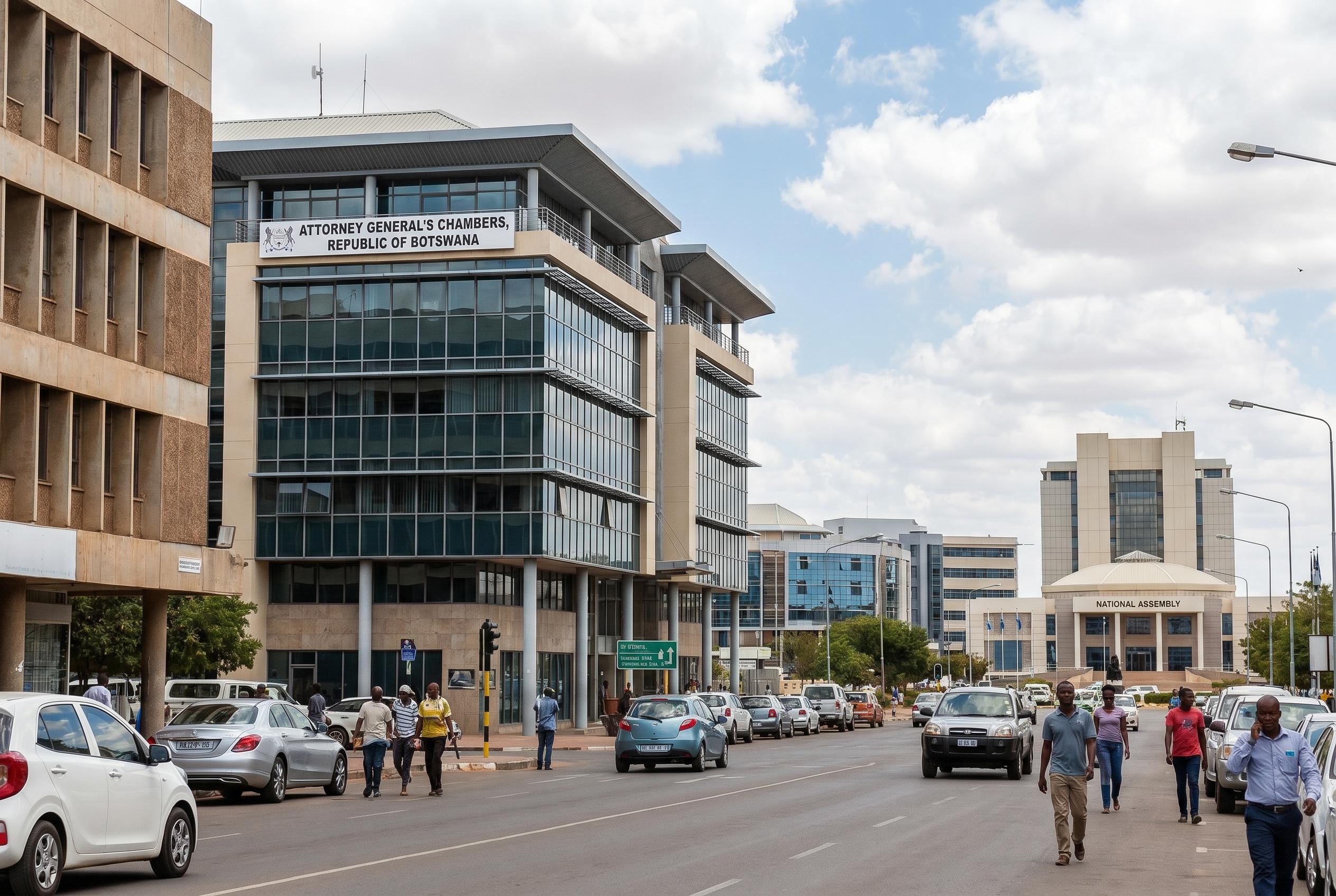
Shoppers of progress are celebrating a legal clean-up in Botswana , the government has formally removed a colonial-era sodomy provision from the Penal Code, a practical step that matters for dignity, daily life, and the country’s international reputation. Activists, legal experts, and couples are watching closely as this change cements earlier court wins.
Essential Takeaways
- Law amended: Botswana’s Attorney General has revised the Penal Code so the old sodomy clause now applies only to bestiality, not consensual same-sex relations.
- Court precedent: The move follows a 2019 High Court ruling, upheld in 2021, that found the law unconstitutional and harmful to human dignity.
- Practical impact: LGBTQ+ people in Botswana already enjoy workplace protections and military service eligibility; the repeal removes lingering legal stigma.
- Next steps: A same-sex couple is pursuing marriage equality, so legal reform is likely to continue evolving.
- Tone and reception: The change is widely welcomed by international rights groups and local activists as a concrete step from court wins to statute books.
What changed and why it feels different this time
This isn’t merely a court saying “you were right” , the Attorney General has actually rewritten the Penal Code so the clause criminalising consensual same-sex relations has been excised. That matters because laws on the books shape how people are treated long after a judgment. The language that once carried a possible seven-year sentence now applies only to bestiality, making the statutory position match the constitutional reality. Human-rights groups called it a tidy, overdue fix, and it brings a cleaner sense of legal certainty to LGBTQ+ people who’ve long lived with uncertainty.
From courtroom victory to legislative housekeeping
Botswana’s legal journey started with a 2019 High Court decision that struck down the sodomy law as unconstitutional, a ruling later sustained in 2021. Judge Michael Leburu’s judgment , emphasising dignity, personal autonomy, and the harm of marginalising minority groups , set the tone. But court rulings don’t always prompt immediate text changes to statutes. Reuters and Washington Blade reported the government’s formal amendment as the follow-through that converts judicial principle into everyday reality. It’s a reminder that legal reforms often arrive in stages: litigation, affirmation, then statute revision.
What this means for people on the ground
Practically, the repeal reduces the chilling effect of having a criminal provision hanging over certain people’s heads. Employers, landlords, and officials are less likely to cite archaic laws as excuse for discrimination, and police have fewer pretexts to harass. Botswana already permits LGBTQ+ people to serve in the military and prohibits employment discrimination; transgender people can change legal gender markers. Removing the sodomy wording tightens that protective framework and helps normalise inclusion in daily life, from hospitals to schools.
The marriage fight and the next legal frontiers
Legal reform hasn’t stopped with decriminalisation. A same-sex couple is currently challenging the state for marriage equality, which shows the agenda is moving from freedom from prosecution to equality in civil life. Marriage cases are often more politically charged, but the repeal strengthens advocates’ claims that the law should treat all relationships equally. International observers , including Human Rights Watch and the International Commission of Jurists , have welcomed Botswana’s steps, noting they fit a broader regional trend towards rights-based reforms.
Why international and local reactions matter
Beyond the immediate legal effect, removing colonial-era sodomy wording sends a message about Botswana’s place on the world stage. Donors, investors, and tourism boards notice concrete legal changes when deciding where to focus energy and resources. Locally, activists celebrated with cautious optimism: the law’s removal is a win, but many warned that social attitudes change more slowly than statutes. Still, the mood is upbeat , a legal blot has been erased, and that matters emotionally as well as practically for communities who’ve long felt targeted.
It's a small but meaningful step that makes law and dignity line up more honestly.
Source Reference Map
Story idea inspired by: [1]
Sources by paragraph: