Shoppers of screen romance are raising a glass , 2026 has already served up a string of steamy, sweet and scandal-making queer kisses that matter. From Oscars backstage PDA to rain-soaked BL drama, these moments prove representation is about desire as much as identity, and they’re reshaping what viewers expect to see.
Essential Takeaways
- Varied settings: kisses span red carpets, sports arenas, rainy streets and cinematic teasers, giving queer romance mainstream visibility.
- Real couples, real heat: moments featuring actual partners bring an authentic, intimate energy that registers on live TV.
- Genre spread: queer love scenes appear in prestige films, BL dramas, rom-coms and TV events, showing growing industry willingness.
- Cultural impact: some kisses sparked viral reactions and political commentary, illustrating how charged public affection still is.
- How it feels: many moments read as tender and sensual , a cozy press of lips, a rain-drenched embrace, or a bold on-stage peck.
Why these kisses matter: more than a smooch
The simplest truth is these aren’t throwaway beats; they’re statements. A kiss at the Oscars or during the Times Square ball drop signals acceptance in spaces that historically sanitised queer intimacy. According to industry observers, seeing a real couple share a moment on live television feels both intimate and revolutionary, and the emotional warmth registers instantly with audiences. For queer viewers, these onscreen and onstage kisses offer recognition. For everyone else, they normalise desire.
From rain-soaked BL to intimate indie cinema: genre is changing
BL dramas have long specialised in longing and cinematic kisses, and 2026’s Burnout Syndrome leaned into that signature mood with a passionate rain scene that fans adored. Meanwhile, festival and indie titles are staging sapphic chemistry in subtler, cinematic ways. Critics note this genre spread , rom-com beats, psychological teasers and sports spectacles all now include queer smooches , which matters when you want representation that feels natural, not tokenistic. If you’re choosing what to watch, follow the tone: for yearning, pick BL; for nervous, electric moments, try psychological thrillers.
Real couples on screen: authenticity that lands
There’s a particular frisson when two people who actually love each other share a public kiss. One memorable moment from early 2026 showed an Oscar winner kissing his partner before accepting an award, and another helped a viral couple’s Jumbotron smooch become a fan favourite at a hockey game. Those scenes carry a lived-in tenderness , a tiny quirk or a genuine laugh , that staged romance sometimes lacks. If you’re moved by authenticity, seek out interviews or behind-the-scenes clips: they often show why a kiss felt so right.
When big moments turn viral , and political
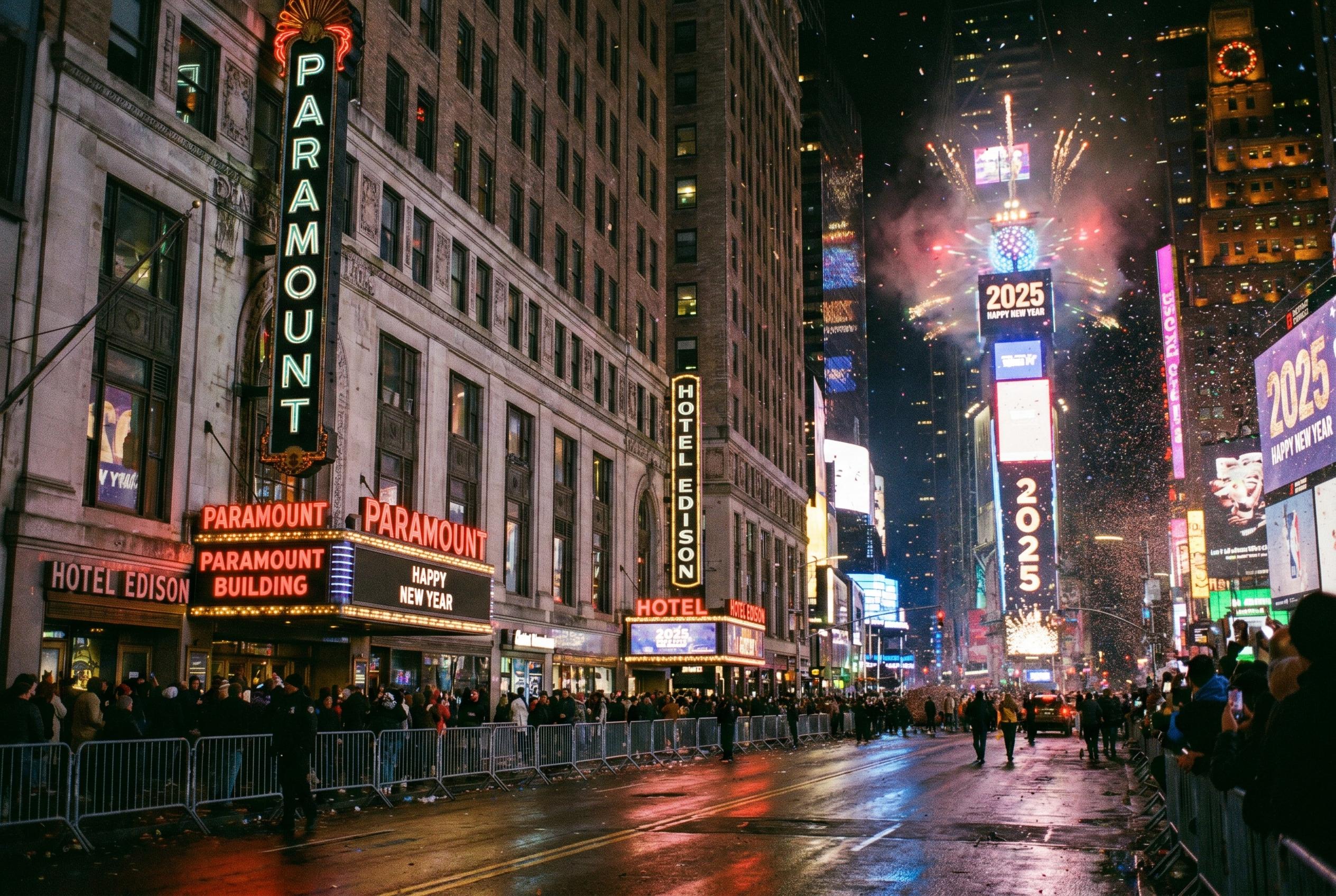
Not all public kisses stay apolitical. A New Year’s kiss in Times Square between a gay couple went viral and drew both celebration and backlash, reminding us how public affection still provokes debate. Media coverage amplified the moment, and commentators on both sides weighed in. That intensity underscores why these displays matter: a simple kiss can be a cultural flashpoint, pushing conversations about visibility, safety and how queer love is framed in mainstream media.
How filmmakers are framing desire now
Directors and writers are getting bolder about showing desire as part of character development rather than as a plot ornament. Teasers for big films have already teased sapphic kisses that prompt buzz and ticket sales, while streaming series use slow-building scenes to sell emotional stakes. If you care about representation that feels honest, look for projects where the kiss emerges from character work , that’s where the heat and the heart both land. For viewers picking shows, read a little beyond the logline: plot context often predicts whether a romantic beat will satisfy.
It's a small change that can make every kiss feel like progress.
Source Reference Map
Story idea inspired by: [1]
Sources by paragraph: