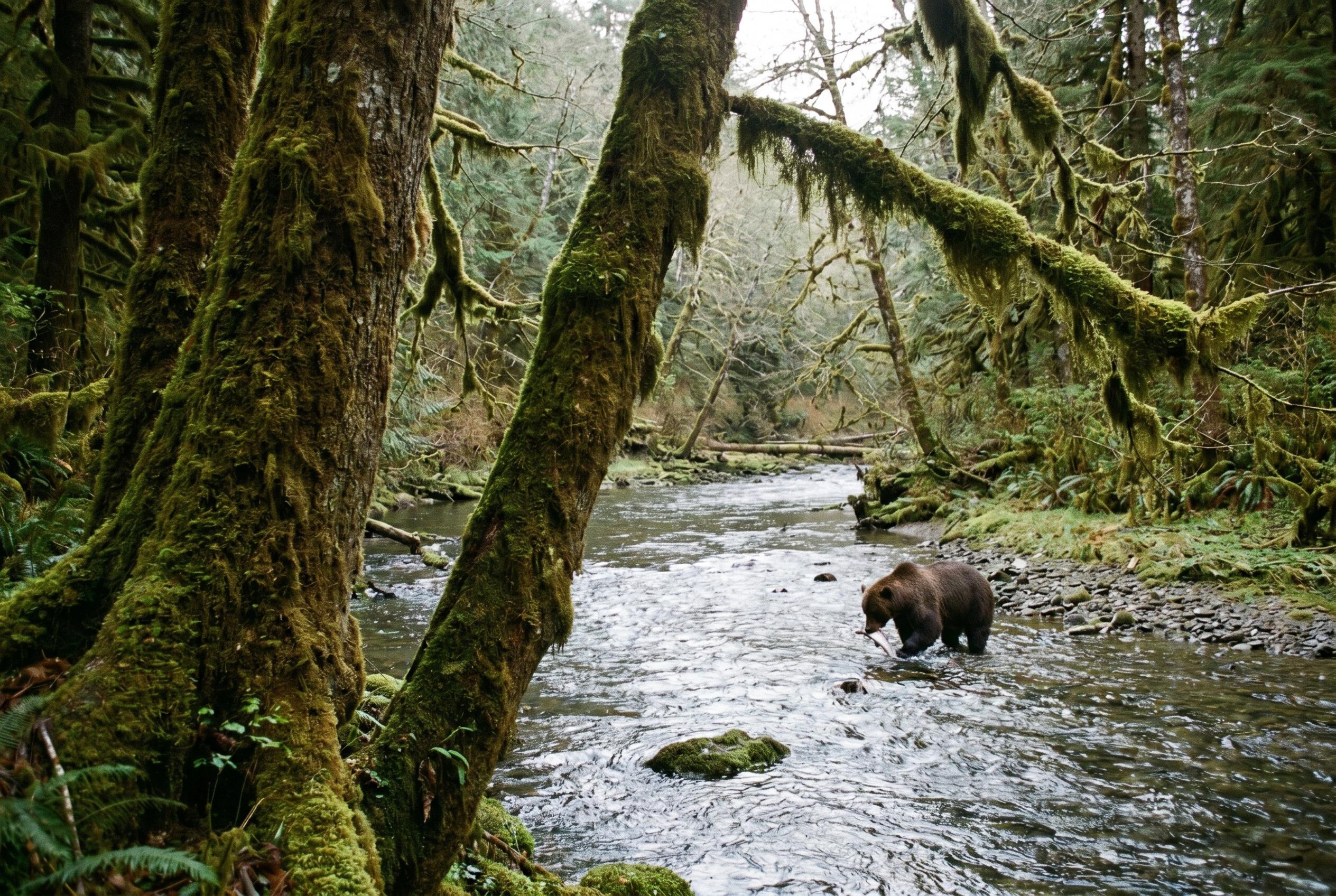
Shoppers and viewers are turning to films that reframe the natural world , Elliot Page’s new documentary Second Nature explores same-sex relationships and gender diversity in animals, offering a warm, science-backed counterpoint to exclusionary lessons and a personal look at why visibility matters.
Essential Takeaways
- Narrated and co-produced by Elliot Page: Second Nature combines accessible storytelling with striking wildlife footage and light humour.
- Challenges cis-heteronormative myths: The film highlights same-sex pairings and gender diversity across species, arguing these behaviours are common, not exceptional.
- Personal context: Page links childhood shame and isolation to cultural erasure and gaps in education.
- Enjoyable and informative: The documentary aims to be entertaining, visually rich, and useful for audiences of all ages.
- Broader advocacy: This sits alongside Page’s ongoing work on LGBTQ+ visibility, including previous producing credits and his memoir.
A familiar voice, a fresh angle on nature
Elliot Page narrates and helped produce Second Nature, and his presence gives the film an immediate emotional anchor. His voice carries a mix of curiosity and warmth, which makes the sometimes surprising animal behaviours feel less like trivia and more like shared discovery. According to coverage in PEOPLE and reports on the film, Page frames the project as both entertaining and informative, so viewers won’t feel lectured. For anyone put off by dry nature docs, this one promises personality and a sleek, visual style.
Why the film pushes back on “natural” as a single story
Second Nature directly challenges the idea that nature conforms to a strict cis-heteronormative template. Page and the filmmakers point to abundant examples of same-sex pairing and gender diversity among animals to show that queerness is part of the natural world. That context matters: when biology classes and cultural narratives omit these facts, people , especially young queer people , can internalise shame. The film’s argument is simple but radical in everyday terms: nature is more varied than many of us were taught.
The personal stakes , shame, loneliness, and learning to belong
Page has been candid about feeling alone while growing up queer, telling PEOPLE that those early feelings of exclusion can stick. Second Nature positions those personal memories alongside scientific examples to make a wider point about erasure: what isn’t taught or talked about becomes a burden. The result is a documentary that’s part science primer, part personal testimony , a mix that helps viewers understand why representation in schools and media actually affects mental health and self-understanding.
How the film fits with Page’s wider work and public role
This documentary isn’t Page’s first foray into producing or advocating for LGBTQ+ visibility. From acting roles that reached mainstream audiences to his memoir and earlier producing work, this project continues a throughline of using media to expand who is seen and why it matters. Second Nature also arrives in a climate where culture wars often target education and biology, so a stylish, accessible film that centres queer natural history feels timely. Expect it to be used by teachers, parents, and advocates as a conversation starter.
Practical takeaways for viewers and parents
If you’re thinking of watching with kids or using the film in a classroom, the makers say it’s designed to be accessible and entertaining. That means clear explanations, humour, and striking footage that can spark curiosity without overwhelming younger viewers. For parents worried about age appropriateness, consider watching first and deciding how to frame the examples for your child’s maturity. For educators, the film offers a chance to broaden biology lessons and open dialogue about diversity in nature and society.
It's a small, humane step toward making the natural world feel a bit more inclusive for everyone.
Source Reference Map
Story idea inspired by: [1]
Sources by paragraph: