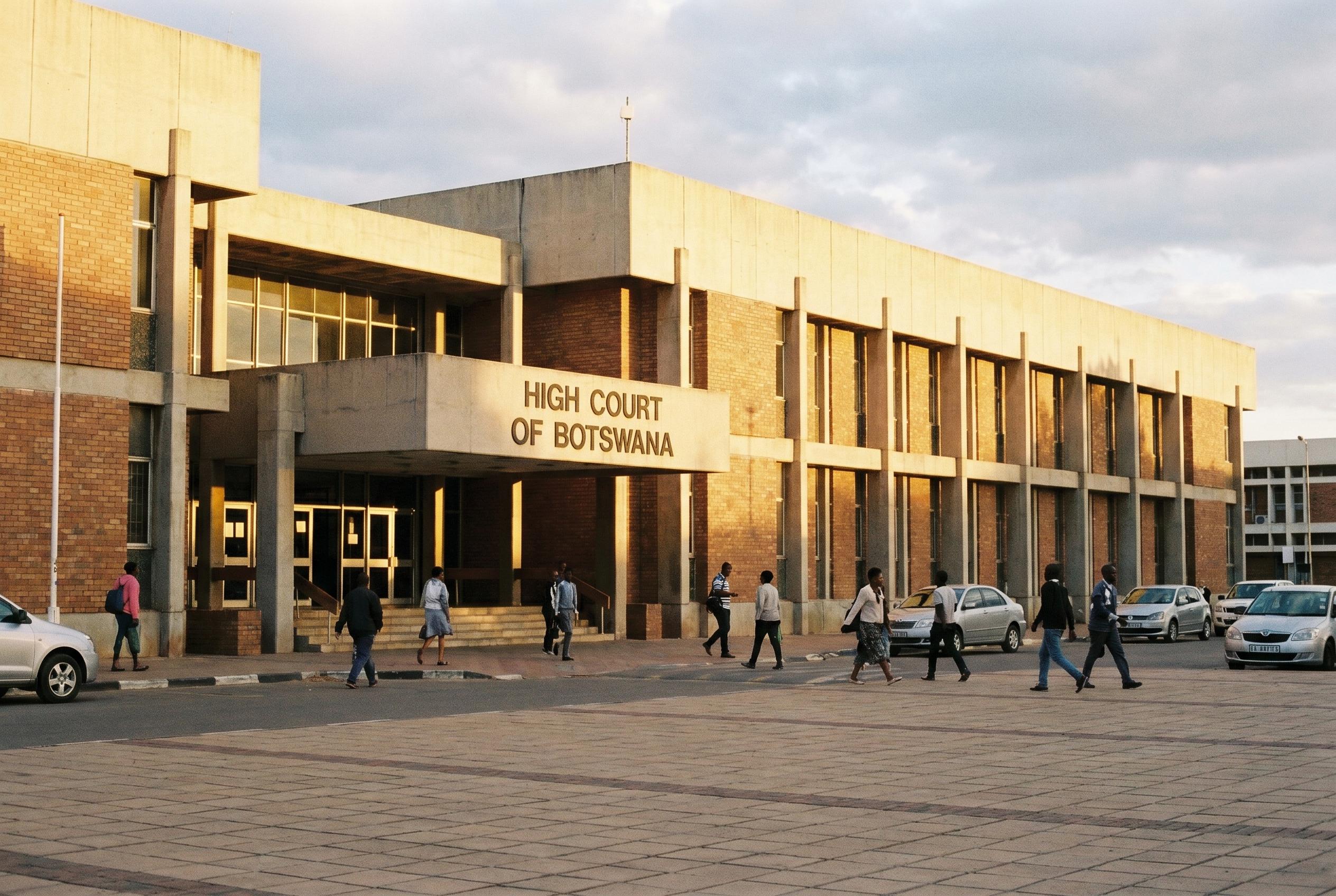
Shoppers of justice are watching as Botswana prepares for a High Court hearing on July 14–15; two women are asking for legal recognition of their relationship, and the outcome could reshape the country’s laws, challenge colonial-era legacies, and deepen protections for LGBTQI+ people across Botswana.
Essential Takeaways
- Historic backdrop: Botswana’s courts have progressively recognised LGBTQI+ rights, including decriminalisation of same-sex activity and the right of organisations to register.
- Key question: The case asks whether the constitutional promises of dignity and equality extend to marriage for lesbian, bisexual, and queer women.
- Cultural context: Arguments that homosexuality is “unAfrican” ignore colonial origins of sodomy laws and rising scholarship on pre-colonial sexual diversity.
- Democratic stakes: The hearing tests the separation of powers as public protests and religious campaigning intersect with judicial rulings.
- Practical impact: A positive ruling would grant concrete legal protections and social recognition for same-sex couples, from inheritance to parental rights.
Why this July hearing feels different , and more urgent
This isn’t simply two people asking to sign a marriage register; it’s the next step in a decade-long judicial arc that’s already nudged Botswana’s law toward inclusion. The courtroom will carry the weight of earlier rulings that struck down criminal sanctions and affirmed transgender identity, so there’s a quiet sense that the legal logic now points toward marriage recognition. For many people watching, that thought feels both hopeful and deeply intimate , imagine a legal ceremony that finally names a relationship the way couples already live it.
How past rulings set the stage for marriage equality
Botswana’s judiciary has been busy rewriting the playbook. Courts have allowed LGBTQI+ organisations to register, affirmed gender-marker changes, and invalidated colonial-era sodomy provisions. Those decisions form a coherent thread: dignity, liberty, and equality matter. According to commentary from legal observers, the current case is a logical next question , if people can’t be criminalised or denied identity markers, why can their relationships be left outside the law? Practically, this means judges will consider constitutional principles already applied in earlier milestones.
The “unAfrican” claim , why it doesn’t hold legal water
Opponents often frame same-sex relationships as foreign to African culture, but historians and human-rights groups point out that criminalisation arrived with Victorian-era colonial laws. Decriminalisation advocates argue the real decolonial project is removing imported statutes that silence pre-existing sexual and gender diversity. That reframes marriage equality not as a Western export, but as a recovery of plural histories and dignity , a point Amnesty International and other NGOs have made repeatedly in their coverage and briefings.
Democracy, protest and the role of the courts
Public demonstrations that followed earlier decriminalisation rulings underlined a tension: democracy means voices in the street, but constitutional democracy protects minorities from the tyranny of the majority. The High Court will be asked to apply the constitution, even if some religious groups vocalise strong opposition. Legal analysts warn that sustained public resistance can erode trust in judicial institutions, so judges balance legal precedent, constitutional text, and social reality. For citizens, the moment is a reminder that legal rights often need courts to secure them before social attitudes catch up.
What a favourable ruling would change day‑to‑day
If the court recognises same-sex marriage, the consequences are practical and immediate: legal recognition for inheritance, spousal benefits, parental responsibilities, and a formal stamp of social acceptance that matters in employment and healthcare settings. For couples like the applicants, it’s more than paperwork , it’s protection. NGOs and legal clinics will likely be ready to advise couples on how to navigate new systems, while policymakers will need to review administrative forms and family-law regulations to reflect the change.
One final thought: whether the court rules for or against marriage equality, July’s hearing is a legal and civic milestone , a test of whether Botswana’s constitution will be read as a living promise or a frozen text.
It's a small shift that could make every relationship count.
Source Reference Map
Story idea inspired by: [1]
Sources by paragraph: