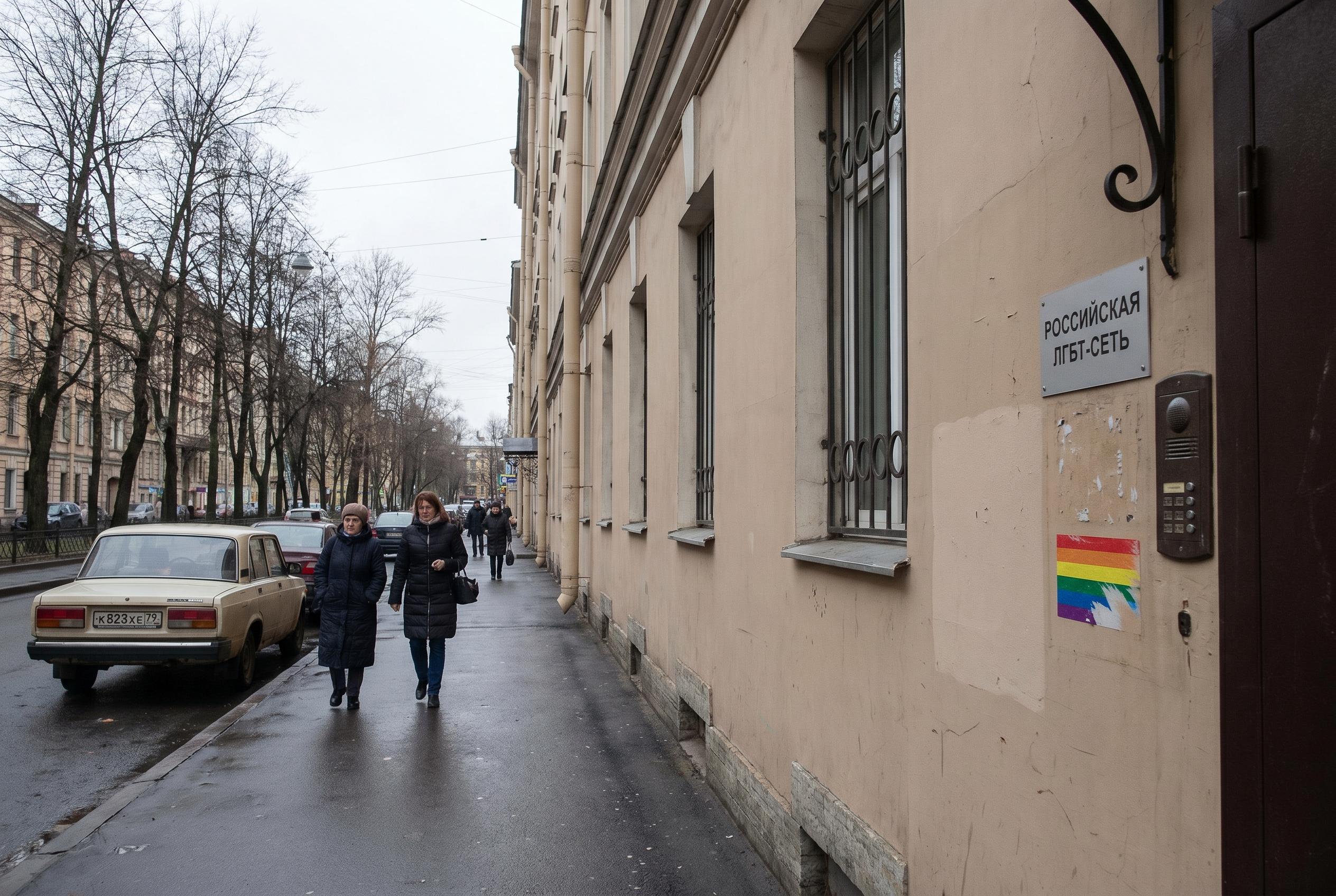
Shoppers of information are watching as Russia quietly widens a legal net: a St Petersburg court has declared a major LGBT network “extremist,” barring its work across the country and deepening a campaign that already has civil society on edge. Here’s what happened, why it matters, and how activists and observers are responding.
Essential takeaways
- Court decision: A St Petersburg court ruled the Russian LGBT Network extremist and banned its activities nationwide, after a closed hearing.
- Appeal planned: The group said it will appeal and vowed to continue documenting discrimination and supporting queer people.
- Pattern of bans: This is the latest in a string of rulings that have outlawed LGBT groups in cities including Yekaterinburg, Samara and Moscow.
- Legal backdrop: Russia’s 2013 “gay propaganda” law and 2022 tightening of information rules create a legal framework used to target LGBT organisations.
- Human impact: The designation fuels stigma, risks criminal penalties for support work, and further isolates vulnerable people who seek help.
What the St Petersburg ruling actually did
A court declaration of “extremist” status effectively makes routine rights work illegal and can criminalise support networks, legal aid and public discussion. The hearing was closed, and the judgement follows a Justice Ministry lawsuit. The organisation’s statement on Telegram called the decision a rebranding of basic advocacy and documentation as dangerous activity. For people who rely on those services, the ruling feels abrupt and chilling.
According to reporting from outlets covering the case, the ban means the organisation cannot operate on Russian territory and faces asset freezes and legal consequences for staff or volunteers who continue visible work. Observers note the procedural secrecy and the use of broadly worded extremism laws echo tactics used against other civic groups in recent years.
How this fits into a wider clampdown
This ruling is part of a steady escalation. In recent weeks similar verdicts have blocked LGBT groups in multiple cities. Human Rights Watch and Amnesty, among others, have warned that authorities are leveraging extremism legislation as a pretext to outlaw peaceful LGBT activism. The pattern suggests a coordinated approach rather than isolated local decisions.
That shift is playing out against a legal landscape that has long restricted LGBT expression. The “gay propaganda” ban from 2013 and later expansions in 2022 make even sharing information risky. For activists, the message is clear: formal advocacy and public assistance are being made structurally hazardous.
What activists and rights groups are saying
Human rights organisations have framed the move as a politically motivated attempt to erase support structures for queer people. Amnesty International has documented how extremism accusations are being used elsewhere to silence dissent, and Human Rights Watch flagged an earlier similar designation that targeted another prominent group. The Russian LGBT Network has said it will appeal, and advocates inside and outside Russia are urging legal challenges and international attention.
On the ground, activists report increased hesitation from volunteers, fears about surveillance, and difficulty reaching people in need. International NGOs are calling for safeguards for civil society and for governments to raise the issue in diplomatic channels.
Practical implications for queer people in Russia
For individuals seeking advice, shelter or community, the consequences are concrete: fewer safe services, more secrecy, and heightened risk when reaching out. Organisations that used to document hate crimes, provide legal counsel or offer mental-health referrals now risk prosecution. Practically, people will need to be more cautious about digital traces, verify online resources, and look for support through informal peer networks.
If you’re outside Russia and want to help, established human-rights NGOs recommend donating to verified groups that offer remote legal and psychosocial support, raising awareness via reputable media, and pressuring policymakers to keep human-rights concerns on the agenda.
What to watch next
Expect appeals and possibly more designations as the state refines its approach. International reporting and advocacy will likely intensify, and courts in other regions may issue similar rulings. The longer-term outlook depends on legal challenges, global pressure, and the resilience of underground or informal support networks that many queer Russians will rely on in the months ahead.
It's a small change in legal wording with large human consequences , and one that will be watched closely by rights defenders across the world.
Source Reference Map
Story idea inspired by: [1]
Sources by paragraph: