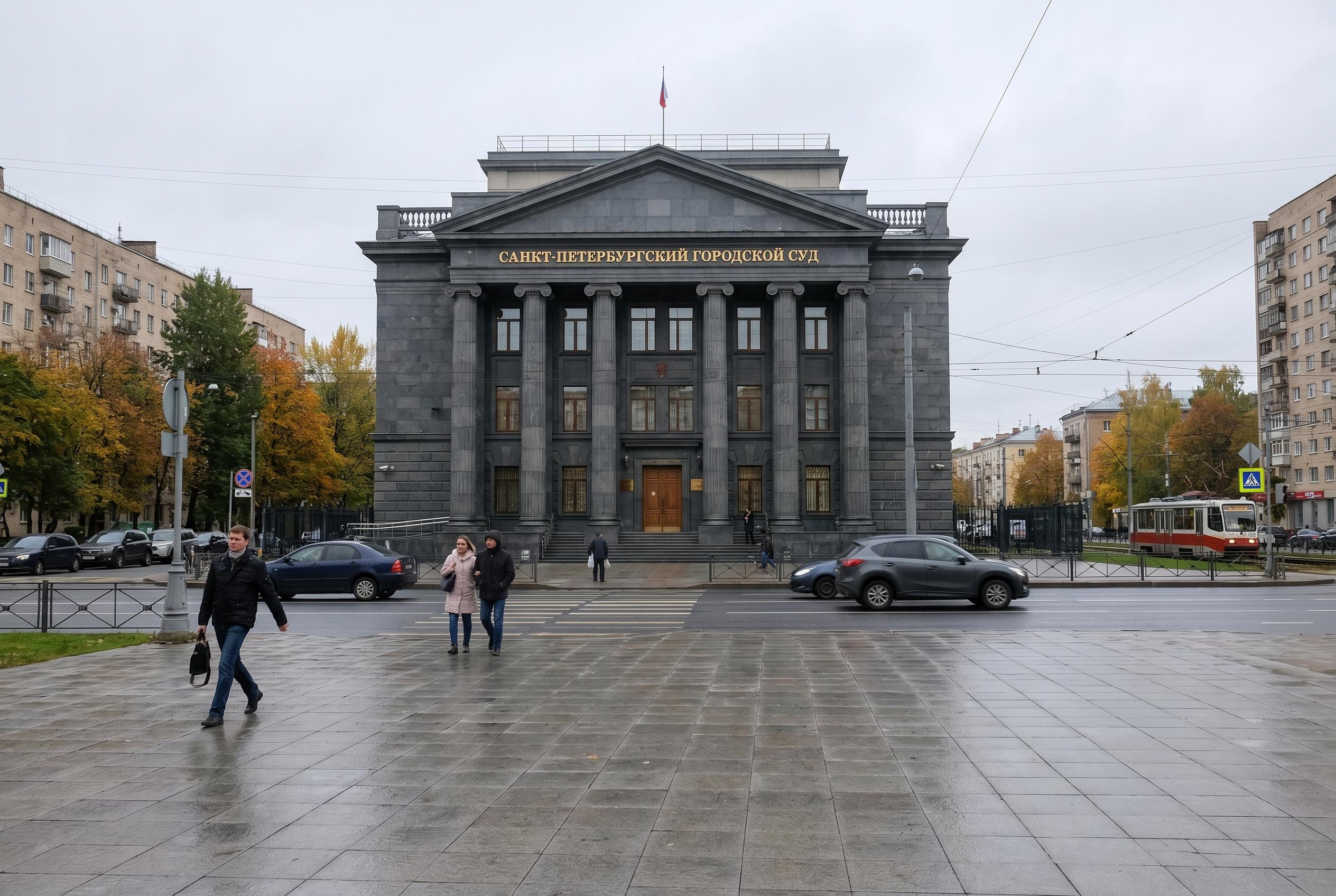
Shocking courts in Russia have moved to label the Russian LGBT Network “extremist,” further squeezing already-marginalised LGBTI people and their support networks. Here’s what happened, why it matters, and practical ways people inside and outside Russia can respond.
Essential Takeaways
- Court ruling: A St Petersburg court declared the Russian LGBT Network an “extremist organisation,” imposing a nationwide ban that criminalises its activities and support networks.
- Pattern of repression: This verdict follows similar bans on at least five other LGBTI groups and a 2023 Supreme Court decision targeting an alleged “international LGBT movement.”
- Real-world harm: Activists report arrests, fines, prison sentences and forced closures of media, venues and cultural distributors; the climate of fear is widespread.
- Support work targeted: The ban dismantles emergency assistance, legal help and evacuation efforts run by activists, making at-risk people more vulnerable.
- What to do: International pressure, legal appeals, discreet solidarity and careful documentation remain critical tools to protect people and preserve evidence.
What the St Petersburg ruling actually means for people on the ground
The court decision bans the Russian LGBT Network from operating across the country, a move that instantly curtails the charity-like, emergency and research work it has provided for nearly two decades. Amnesty International says the verdict will only deepen marginalisation and make life riskier for LGBTI people, who already face fines, arrests and censorship. For many, the practical consequences are immediate: legal aid clinics, safe housing referrals and evacuation planning become harder to run and easier for authorities to criminalise. If you rely on such services, expect increased secrecy, more frequent shutdowns and a heavier emotional toll.
This is part of a wider, accelerating pattern
The St Petersburg ruling didn’t appear in isolation; it fits a clear arc of tightening laws and court decisions dating back to 2023 that increasingly weaponise anti-extremism frameworks against LGBTI groups. Media outlets including The Moscow Times and Meduza have chronicled similar verdicts against regional groups, while Amnesty’s reporting maps how legal instruments are being used to dismantle civic support networks. In practice, that means prosecutions for online posts, closed social gatherings, drag performances and even bookselling, reflecting a broader cultural purge as well as a legal campaign.
How censorship and cultural bans are closing public space
Courts and regulators have moved beyond targeting NGOs to policing content: streaming services, bookstores, publishers and gaming platforms have been fined for hosting or selling what authorities deem “LGBT content.” The cascade of fines against platforms and publishers signals that cultural expression is now part of the crackdown, not just political organising. For artists, authors and venues, the choice is stark: self-censor, face punitive fines, or risk criminal charges. International publishers and platforms should expect reputational pressure to push back, while consumers inside Russia will find access to diverse stories steadily reduced.
Legal and safety implications for activists and volunteers
Activists who provided legal aid, psychological support and evacuation assistance now face possible criminal liability simply for continuing that work. There are documented cases of people being jailed, fined or forced into exile; journalists and performers have also been prosecuted. That transforms everyday solidarity into a risky endeavour. Human-rights groups outside Russia are urging appeals, international legal scrutiny and documentation to preserve evidence of abuses. For those inside Russia, safer practices include encrypted communications, reducing paper trails, and creating contingency plans for volunteers at risk.
What international actors and individuals can do right now
International pressure matters: public statements from rights groups, targeted sanctions against officials responsible for rights violations, and legal assistance for appeals can create diplomatic leverage. Donors and NGOs should consider funding cross-border legal defence, digital security training and emergency relocation resources. For everyday supporters, amplifying credible reporting, signing petitions from verified human-rights organisations and giving to vetted humanitarian funds are practical, low-risk ways to help. Above all, solidarity that prioritises the safety and agency of people inside Russia is essential.
It's a small change in language with enormous consequences , and reversing it will require sustained, coordinated pressure.
Source Reference Map
Story idea inspired by: [1]
Sources by paragraph: