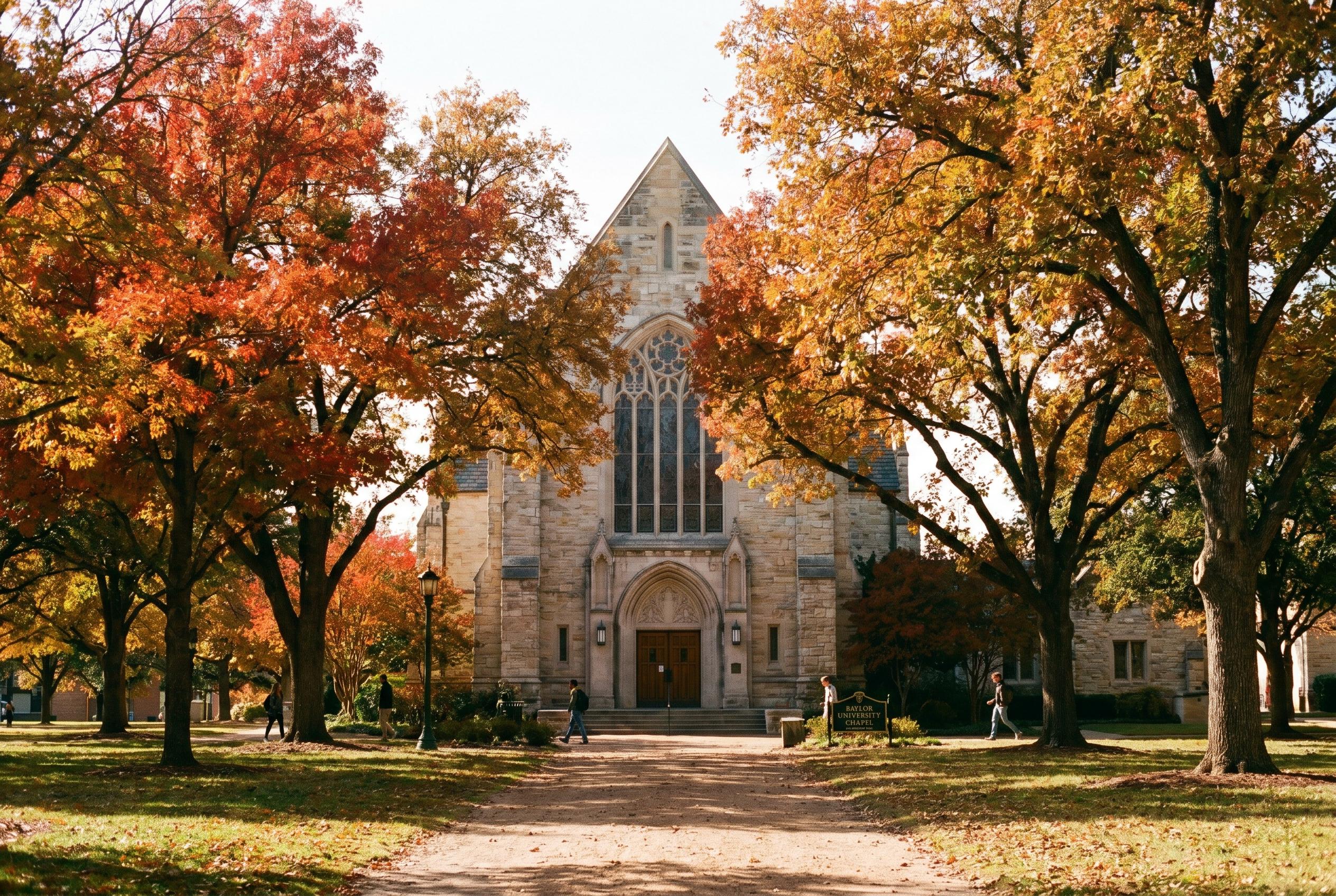
Shoppers aren’t the only ones organising counter-programmes , students at Baylor organised a warm, faith-forward alternative to a conservative rally, drawing hundreds and signalling a shift in how Christian campuses handle LGBTQ inclusion. It mattered because it made space for queer Christians, sparked interfaith dialogue, and softened a tense weekend in Waco.
Essential Takeaways
- Strong turnout: Hundreds attended the All Are Neighbors gathering, creating a visible, hopeful crowd rather than a silent protest.
- Inclusive tone: The event mixed testimony, prayer, worship and dialogue to centre both faith and LGBTQ identity, with a gentle, welcoming atmosphere.
- High-profile voices: Speakers included Human Rights Campaign President Kelley Robinson and Rev. Paul Raushenbush from Interfaith Alliance, lending national attention.
- Practical pushback: The timing deliberately preceded Turning Point USA’s rally, giving students an affirmative space rather than only opposing another group.
- Campus impact: Organisers aimed to bridge traditional Baptist culture and queer students, offering a model for other conservative campuses.
A hopeful alternative opened doors and ears
Students at Baylor chose a different route than confrontation and instead offered hospitality: a softly lit room, music, prayer and personal testimony that felt like a conversation rather than a debate. According to local reporting, attendees described the experience as uplifting and enlightening, and you could tell from social posts that some left visibly moved. That sensory lift , the quiet hum of shared song, the hush during testimony , helped the event land as more than a counter-rally; it felt like sanctuary.
The idea grew out of tension on campus. Turning Point USA’s annual event had brought back old anxieties, especially for students discovering or owning queer identities in a traditionally Baptist setting. Organisers designed All Are Neighbors to pre-empt hostility and to remind people of the biblical injunction to love your neighbour, reframing scripture as a basis for inclusion rather than exclusion.
Big names, local intention: why the speakers mattered
Bringing Kelley Robinson of the Human Rights Campaign and Rev. Paul Raushenbush into a student-led programme put a national spotlight on a local effort. Their presence signalled that this wasn’t only about campus politics but about broader faith conversations across America. The event’s organisers emphasised how being Christian can coexist with LGBTQ identity, and those voices helped normalise that intersection in a setting where it’s often contested.
It wasn’t about theatrical confrontation. Instead, the speakers modelled a tone students said felt authentic: prayer mixed with policy-savvy reflections and pastoral warmth. For other campuses watching, it’s a practical playbook , invite credible figures, centre personal stories, and keep the format flexible to include worship and honest dialogue.
Timing and tactic: why an hour made a difference
Organisers deliberately scheduled the event roughly an hour before Turning Point’s arrival, a tactical choice that turned the weekend’s narrative. Rather than attempt to drown out the other side, students created space for people who might otherwise have felt silenced or unsafe. Local outlets reported a significant drop-off in expected turnout for the conservative rally, underscoring that a campus can respond by building community rather than just opposing a message.
This tactic also made it easier for attendees to choose where to be without direct confrontation. If you’re thinking of replicating the approach, timing matters: pick a slot that allows your event to be its own thing, with clear messaging and access for people who might not feel comfortable in aggressive protest settings.
What this means for queer Christians and conservative religious spaces
The optics are important: a Baptist university saw students publicly affirming queer inclusion in explicitly Christian language. That’s a subtle but meaningful change, and reporters noted that even some conservative students left with new perspective. The messaging leaned on shared scripture and the idea that faith can be practiced without exclusion , a reminder that theological language is being used to support, not only condemn.
There’s no overnight change in doctrine, of course, and university officials clarified the event’s independent student roots. Still, the episode illustrates how long-term cultural shifts can show up in everyday campus life: quiet conversations, joint prayers, and friendships that chip away at old binaries.
How to support or recreate an inclusive campus event
If you’re planning something similar, start small and focus on hospitality. Secure a visible yet neutral space, invite speakers who can bridge credibility and compassion, and centre personal stories so the conversation stays human. Make logistics easy , clear timing, accessible entry, and options for quiet reflection. And remember the emotional work: offering snacks, quiet corners, and follow-up resources can turn a single gathering into an ongoing community.
It’s a modest strategy with real impact: create a place people can come to feel seen, heard and spiritually at home.
It's a small change that can make every campus conversation a little more humane.
Source Reference Map
Story idea inspired by: [1]
Sources by paragraph: