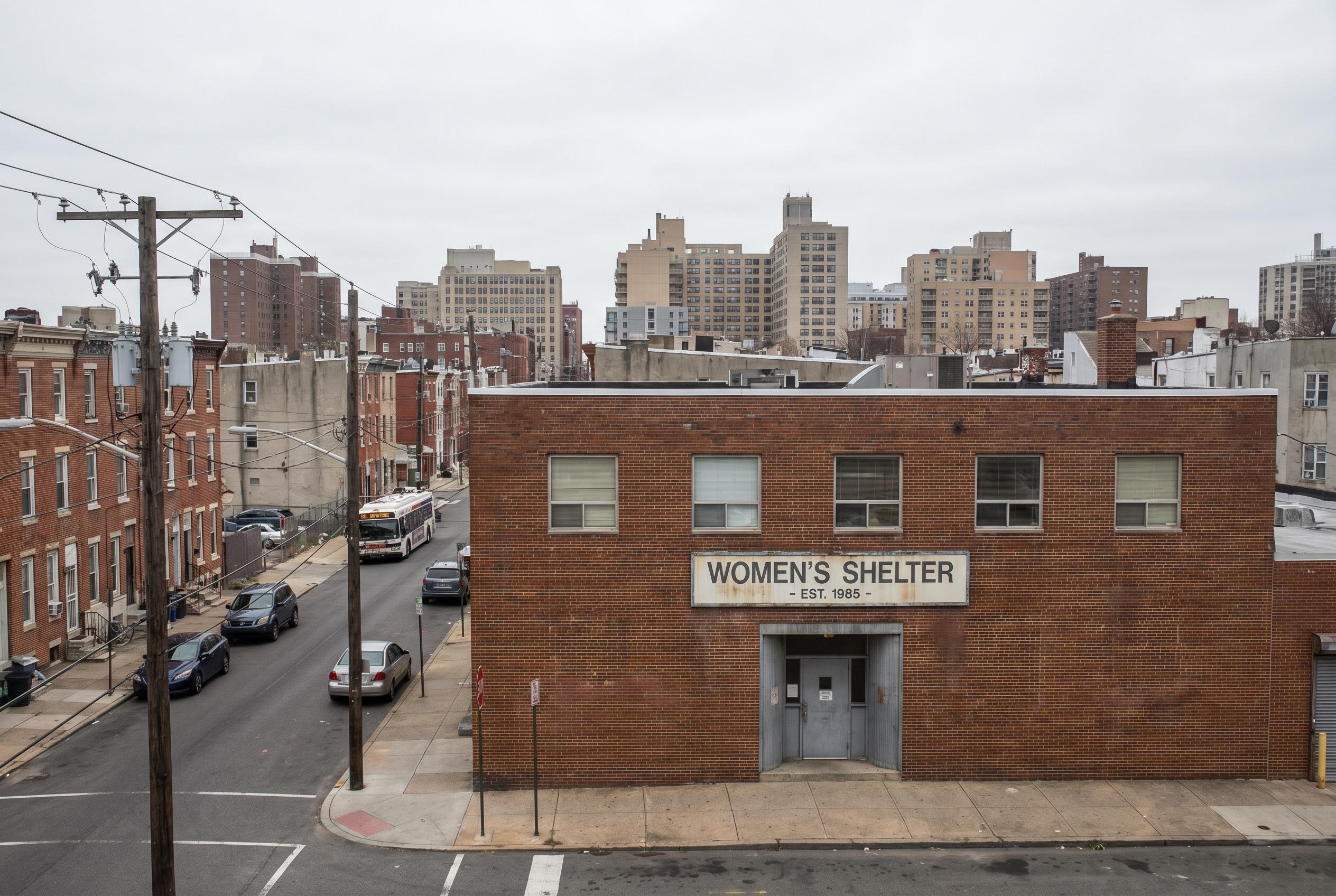
Shoppers for fair housing rights and concerned communities are watching closely as the US Department of Housing and Urban Development proposes a major rollback that would redefine protections by sex, not gender identity; the move could reshape access to shelters, Section 8 and other HUD-funded programmes and spark legal fights nationwide.
Essential Takeaways
- Rule change: HUD would replace references to “gender” and “gender identity” with “sex” defined as an immutable biological classification.
- Shelter impact: Single-sex shelters receiving federal funds could be required to place people by biological sex, potentially forcing some trans women into men’s shelters.
- Evidence requirements: Providers could ask for “reasonable assurances or evidence” of sex, removing a 2016 bar on intrusive questioning.
- Pre-emption risk: The proposal seeks to override conflicting local or state protections for entities tied to certain federal funds.
- Legal and political fight: States and advocacy groups are preparing legal challenges; opponents call it an escalation against an already vulnerable community.
What the change actually says and why it matters
HUD’s draft rule would strip “gender identity” from its regulations and substitute “sex” using President Trump’s Executive Order 14168 definition, which treats sex as an immutable biological category. That sounds technical on paper, but it has very practical effects: shelters and sex-specific services that get federal support could be required to place people according to that biological classification rather than their lived gender. The result, advocates warn, could be humiliating or dangerous for trans people seeking safety. According to coverage in Stateline and PinkNews, the proposal reaches across homelessness services, domestic violence housing supports and Section 8 vouchers, making it far from a narrow tweak.
How this reverses previous safeguards
The change would roll back core pieces of HUD’s Equal Access rules put in place under the Obama administration, rules designed to keep HUD-funded programmes open regardless of sexual orientation or gender identity. Crucially, HUD’s 2016 safeguards prevented shelters from demanding anatomical, documentary or medical evidence of gender identity; the new text would remove that protection. LGBTQ Nation and the Human Rights Campaign have framed this as part of a broader federal retreat from LGBTQ+ protections, and that gives a sense of the scale: this is less an administrative adjustment and more a policy pivot with real human consequences.
Who stands to gain and who will push back
HUD argues the proposal protects privacy, safety and religious liberty, saying providers should be allowed to assign shelter spaces according to biological sex and to demand “reasonable assurances” about sex. But states and cities with stronger local non-discrimination laws see it differently. California’s attorney general has already signalled legal opposition, and earlier lawsuits from states attempted to block similar rollbacks, as reported by the Los Angeles Times. Expect a patchwork of courtroom fights: some jurisdictions will enforce local protections, others may be constrained if courts give HUD wide pre-emption authority.
Practical consequences for people on the ground
For people experiencing homelessness, trans communities already face disproportionate risk and housing insecurity, so these changes are not abstract. In practice, a shelter operator who receives HUD-linked funding could be put under pressure to ask intrusive questions or to deny a person’s gender identity when assigning beds. That could deter people from seeking help, worsening health and safety outcomes. If you or someone you support relies on local services, check which providers receive federal funds and follow local legal challenges , community groups often post updates and guidance when rules shift.
What to watch next and how this could change
The rule is not final; it must go through a public comment period and can be revised or halted by litigation. Given the broad impact, advocacy groups and state attorneys general are gearing up for court challenges and public campaigns. Media outlets including PinkNews and Stateline have covered the likely political and legal flashpoints, and human-rights groups are collecting stories to show the real-world harms. If it survives challenge, the final rule would mark one of the most sweeping federal reversals of LGBTQ+ housing protections in years.
It's a small change on paper but a potentially huge one for people trying to find safe shelter.
Source Reference Map
Story idea inspired by: [1]
Sources by paragraph: