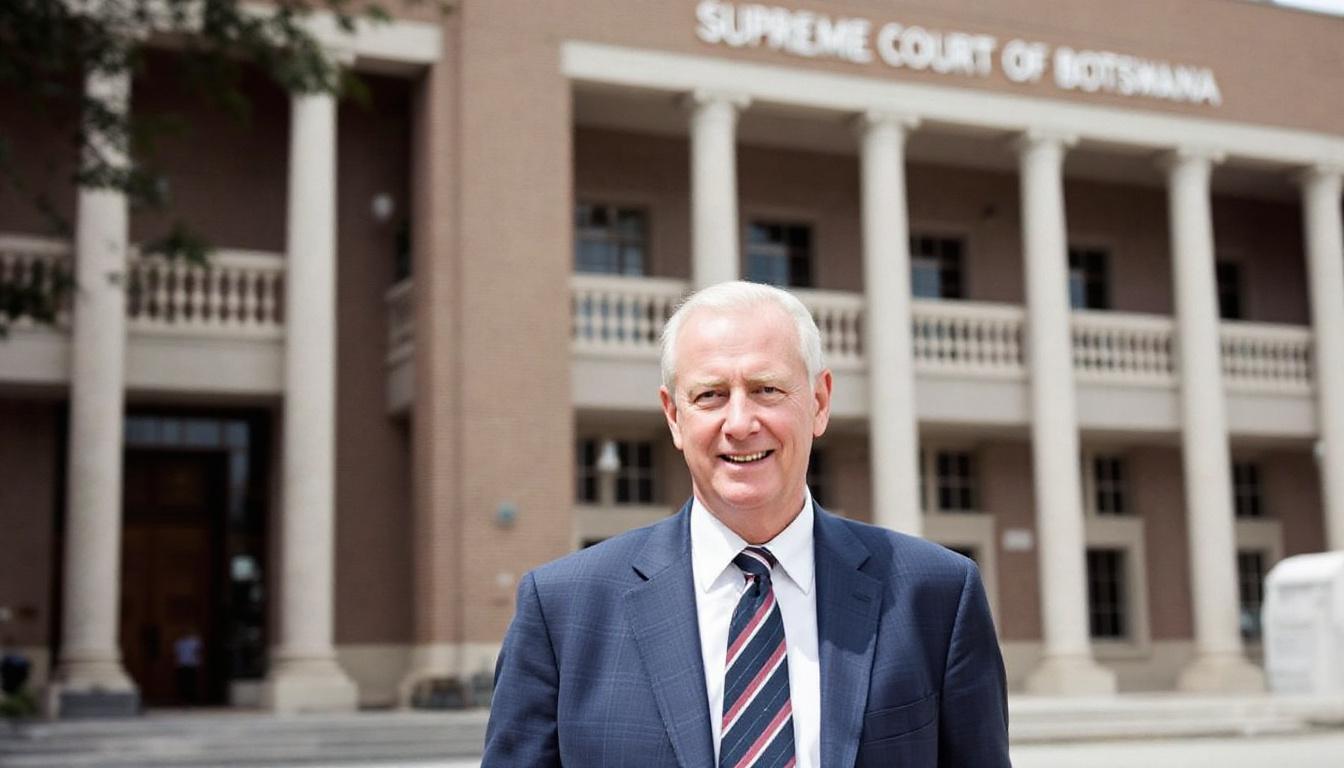
Shoppers of news and rights-watchers are celebrating as Botswana has formally removed its colonial-era anti-sodomy law from the Penal Code, a move that activists say clears a legal shadow that affected healthcare, employment and everyday safety for LGBTQ+ people. This official repeal marks a practical and symbolic step forward.
Essential Takeaways
- Law removed: Section 164, which criminalised same-sex oral and anal sex and carried up to seven years’ imprisonment, has been deleted from the Penal Code.
- Court history: The High Court found the law unconstitutional in 2019, arguing criminalising consensual same-sex intimacy harmed human dignity.
- Practical impact: Activists say the repeal helps reduce stigma, improve access to healthcare and protect employment rights.
- Remaining provisions: The Penal Code still bans bestiality; other LGBTQ+ protections, such as serving in the military and anti-job discrimination rules, remain in place.
- Ongoing fights: Legal challenges over same-sex marriage and further equality measures continue in Botswana’s courts and civic life.
What changed, and why it feels different this time
Botswana’s government has now taken the administrative step of deleting Section 164 from the Penal Code, which makes the 2019 High Court ruling easier to see in law books and harder to ignore in practice. That matters because laws left on the statute book, even if unenforceable, can still breed fear and discrimination. Campaigners told reporters that the mere presence of the clause made people hesitate to seek medical care or report crimes. Removing the text is both symbolic and practical, helping normalise access to services and employment without a looming criminal provision.
The legal backstory you should know
The High Court struck down the sodomy law in 2019, with Judge Michael Leburu stressing that criminalising consensual adult relationships harms dignity and autonomy. The government appealed but ultimately failed to revive the law, leaving the provision unenforceable until now. Human Rights Watch and other international organisations flagged the 2019 decision as a landmark moment. The repeal translates that judicial victory into clearer statutory reality, reducing the risk of confusion for police, employers and health services.
How activists and communities are reacting
Local groups such as LEGABIBO welcomed the repeal, noting the law’s presence had been more than “words on paper” , it shaped real-world exclusion. Activists say the deletion will help chip away at stigma and make spaces like clinics and workplaces safer for LGBTQ+ people. Still, community leaders are cautious: law reform doesn’t erase prejudice overnight. They’re urging continued education, anti-discrimination enforcement and support services so the legal change brings real improvements in people’s lives.
Where Botswana sits in the wider regional picture
Botswana has been comparatively progressive in Southern Africa on several LGBTQ+ issues , for instance, courts previously allowed gender marker changes and banned job discrimination based on sexual orientation. The repeal is another step that distinguishes Botswana from many neighbours where colonial-era laws remain in force. International reports and news outlets have framed the move as part of a slow but notable shift across the continent, where courts and civil society are increasingly challenging legacy laws. For travellers, human-rights observers and expat communities, the change will be noticed, though local attitudes will still vary.
Practical takeaways for LGBTQ+ people and allies
If you live in or travel to Botswana, expect a slightly friendlier legal atmosphere but keep practical safety and support plans in place. Update your knowledge of local health and legal services, and seek out community organisations for current guidance on rights and protections. Allies can help by amplifying local voices, supporting organisations offering legal aid and mental-health services, and remembering that legal reform needs follow-through: training for police and employers, public education and robust enforcement of anti-discrimination rules.
It's a small but significant legal housekeeping that could make everyday life safer for many people.
Source Reference Map
Story idea inspired by: [1]
Sources by paragraph: