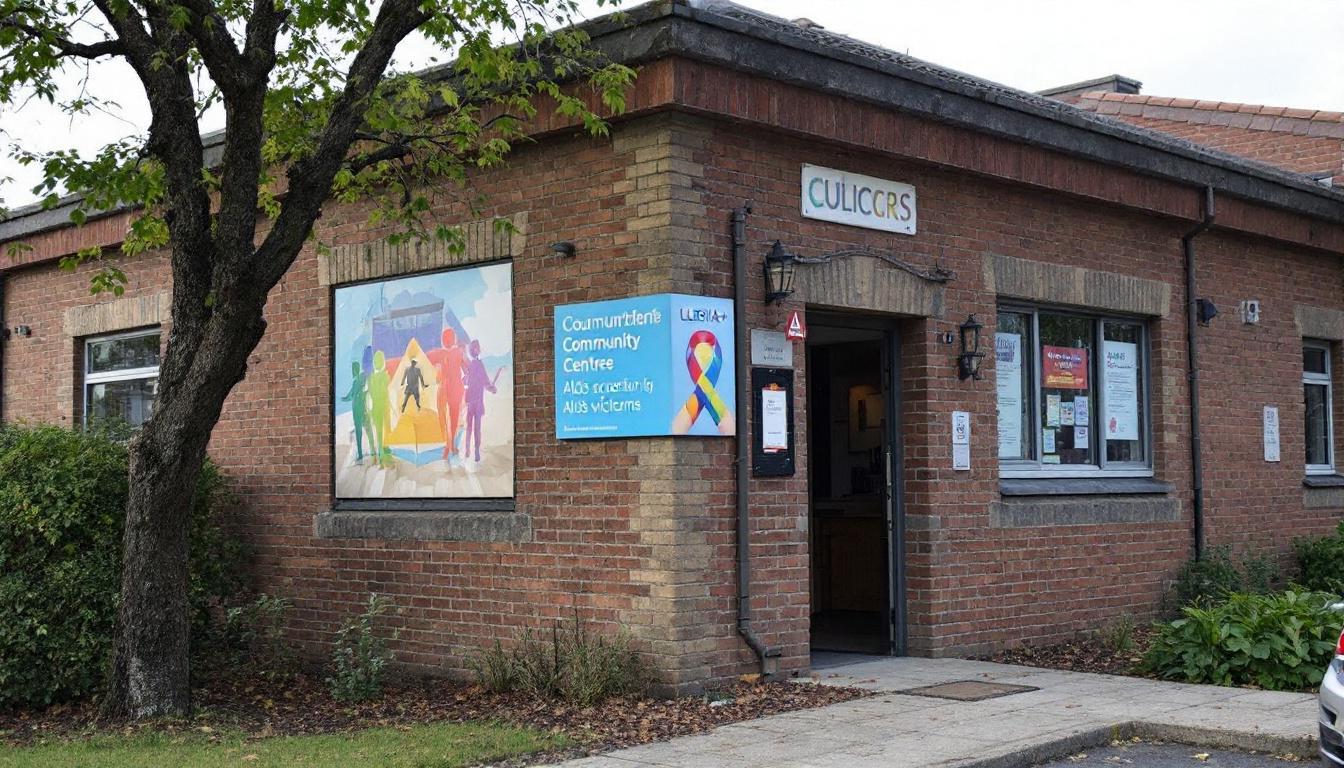
Celebrate loudly: Lesbian Visibility Week shines a light on who, what and why representation matters, spotlighting history, activism and the everyday ways lesbians keep queer communities strong , from 1970s protest banners to modern media fights, this week reminds us visibility saves lives and shapes culture.
Essential Takeaways
- Historic slogan: Lesbians reclaimed a 1979 protest banner that read “A Day Without Lesbians Is Like A Day Without Sunshine,” turning a pop-culture jab into a rallying cry.
- Practical solidarity: During the AIDS crisis lesbians organised blood drives, care and hospice support when mainstream institutions failed.
- Representation gap: Lesbian relationships are often underrepresented or shown as tragic in film and TV, a trend activists call out as harmful.
- Visibility matters: Events and education during Lesbian Visibility Week aim to correct misinformation, fight discrimination and boost legal and social protections.
Why that sunshine slogan still feels electric
The 1979 San Francisco banner , cheeky, bold and blunt , was more than a punchline; it was a clear refusal to be erased. That image resurfacing every Lesbian Visibility Week reminds people how protest art can stick in the cultural memory and change tone. Lesbians used humour and visibility as tools against conservative campaigns that painted queer people as dangerous, and the banner became shorthand for defiant joy. Today it’s a useful reminder: visibility isn’t just symbolic, it’s strategic.
The unpaid labour that saved lives
When HIV and AIDS first devastated communities, public health systems and mainstream society were slow, if not hostile, to respond. Lesbians stepped in across multiple fronts , running blood drives, volunteering as hospice workers and tackling stigma through outreach and education. Those acts weren’t glamorous, but they were lifesaving, and they reshaped how queer activism is remembered. If you want to honour that legacy, support local LGBTQ+ health projects or volunteer at community clinics this week.
Representation: why on-screen love still matters
Look at the streaming list and you’ll see a pattern: sapphic storylines are often short-lived or end in tragedy. Shows and films with lesbian leads have been cancelled or removed, and the “bury your gays” trope still haunts writers’ rooms. That’s not just poor programming , it’s culturally corrosive, because repeated negative portrayals teach audiences what to expect. Pushing for more nuanced, long-running lesbian narratives helps normalise lesbian lives and gives younger viewers mirrors they can trust.
What Lesbian Visibility Week actually does on the ground
Lesbian Visibility Week is a mix of celebration and campaign. Events range from social gatherings and panel talks to policy briefings and history flashes about earlier activism. Organisations use the week to spotlight legal gaps, counter myths and provide practical resources like sexual health information. If you’re wondering how to get involved, look for local listings from community centres or national groups that host visibility hubs and educational toolkits.
How to mark the week meaningfully (without performative noise)
You don’t need a parade to make a difference. Start with simple, concrete steps: amplify lesbian creators online, donate to LGBTQ+ healthcare funds, and challenge stereotyping when you see it in media. If you’re an employer or educator, consider book lists, workshops or inclusive policies that identify gaps in support. Small, sustained changes often beat a single big gesture , visibility works best when it’s everyday, practical and respectful.
It's a small change that can brighten a lot of days.
Source Reference Map
Story idea inspired by: [1]
Sources by paragraph: