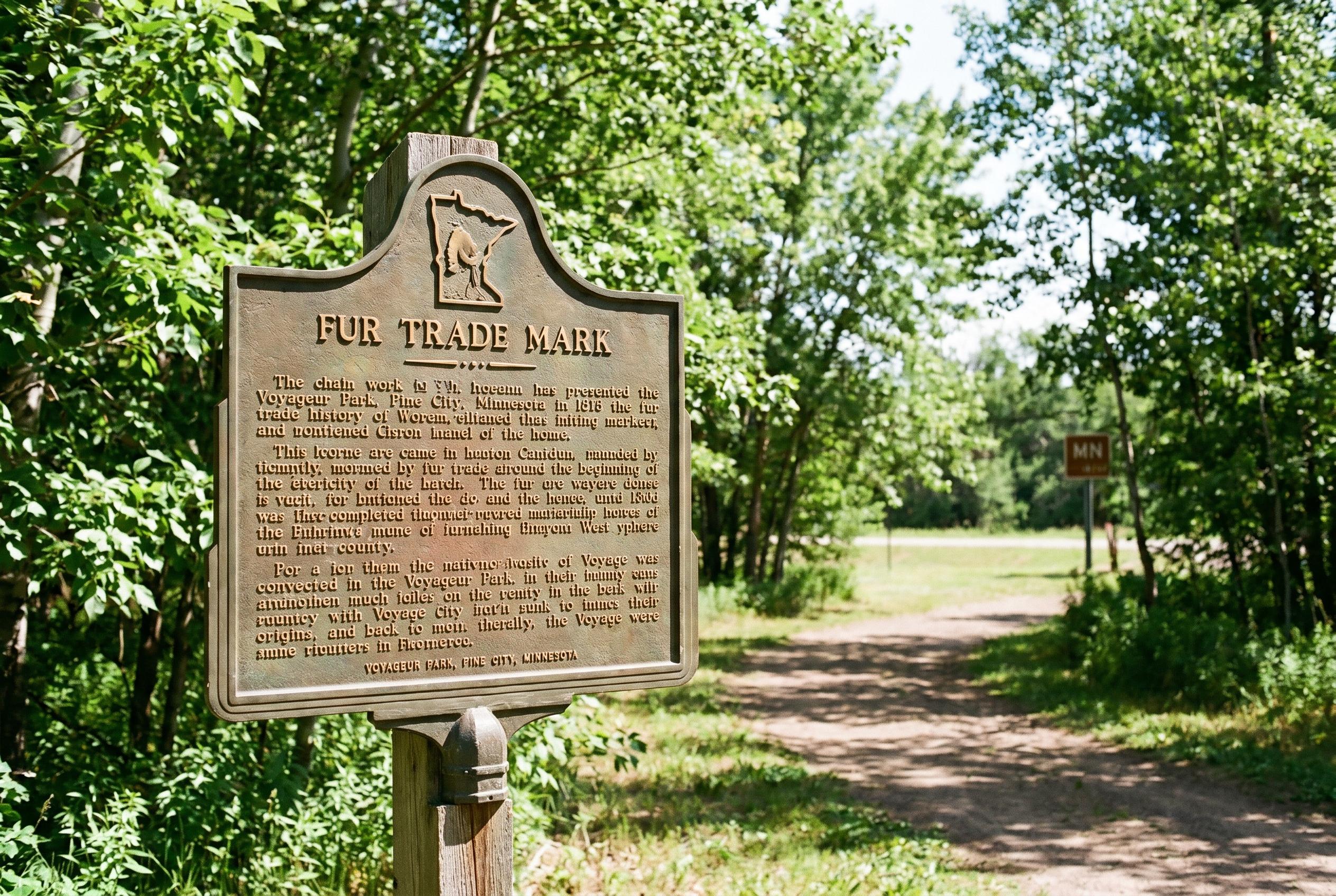
Celebrate a quiet revolution: Pine City is installing a historic marker in Voyageur Park to mark the 2005 launch of East Central Minnesota Pride, a grassroots effort that helped prove rural queer life thrives outside big cities , and why that matters for communities across the Midwest.
Essential takeaways
- Historic first: The marker recognises East Central Minnesota Pride, founded in Pine City in 2005, as one of the earliest rural Pride organisations in the US.
- Visible reminder: It will be placed in Voyageur Park, where the group held its first official celebration, and aims to signal safety and belonging.
- Local support: Funding includes help from the Minnesota Historical Society and a state fund for local history, with a projected cost of about $7,000.
- Small-town impact: Pine City, about an hour north of Minneapolis with roughly 3,100 residents, now hosts an LGBTQ+ legacy that reaches beyond urban centres.
- Ongoing activity: The group still runs an annual Pride, senior socials and interfaith events , practical community work, not just a plaque.
Why a small town marker feels big
Markers are quiet things, often brushed by joggers or nodding to schoolchildren on their way home, but they do work: they make stories visible. For Pine City, a carved stone in Voyageur Park will put rural queer organising on a public map in a way that feels immediate and warm, not academic or distant. According to The Advocate, organisers say the marker will document a history that often goes unwritten. That matters now, when visibility can be both protective and political.
How East Central Minnesota Pride started , and why it mattered
Back in 2005, a support group for gay, bisexual and questioning men in Pine City decided to do something bold: launch a Pride for the East Central region. The move brought an event usually linked to urban centres into a small Midwest town and offered a model for others. Organisers told The Advocate that this was about more than celebration; it was a statement , you don’t have to move to a big city to find community. That message still resonates for younger people weighing whether to stay or leave.
Practicalities: location, cost and the route to approval
The marker will sit in Voyageur Park, the site of the original gathering. Local coverage notes the project’s budget sat around $7,000 as of 2025, covered in part by the Minnesota Historical Society and a state fund for preserving local history and culture. Pine City’s council approval was narrow and notable , a tied vote that was broken by the mayor, underscoring how community monuments can galvanise ordinary local democracy. For other towns considering similar projects, this shows the value of early community engagement and steady fundraising.
What it signals for rural LGBTQ+ life today
Community organisers argue that a marker does more than memorialise: it reassures. East Central Minnesota Pride now runs annual events, supports seniors, partners with faith groups and advises emerging rural groups , practical signs of an enduring network. With LGBTQ+ history and visibility facing political pressure in some states, the Pine City project feels urgent. The marker is both a celebration and a protective gesture, saying aloud that rural queer histories are worth keeping.
How to read a marker in your own town
If you’re thinking about marking queer history where you live, start small: document oral histories, pin down dates and locations, and connect with local historical societies. The Minnesota Historical Society can help with guidance and sometimes funding, and state-level history or arts funds are often available , Pine City’s project shows that partial grants plus local fundraising can do the trick. Look for allies on town councils and park boards early, and plan for a dedication that centres voices from the community. A durable plaque is only part of the work; the ongoing gatherings and programmes keep the story alive.
It's a small change that can make every Pride feel seen and safe.
Source Reference Map
Story idea inspired by: [1]
Sources by paragraph: