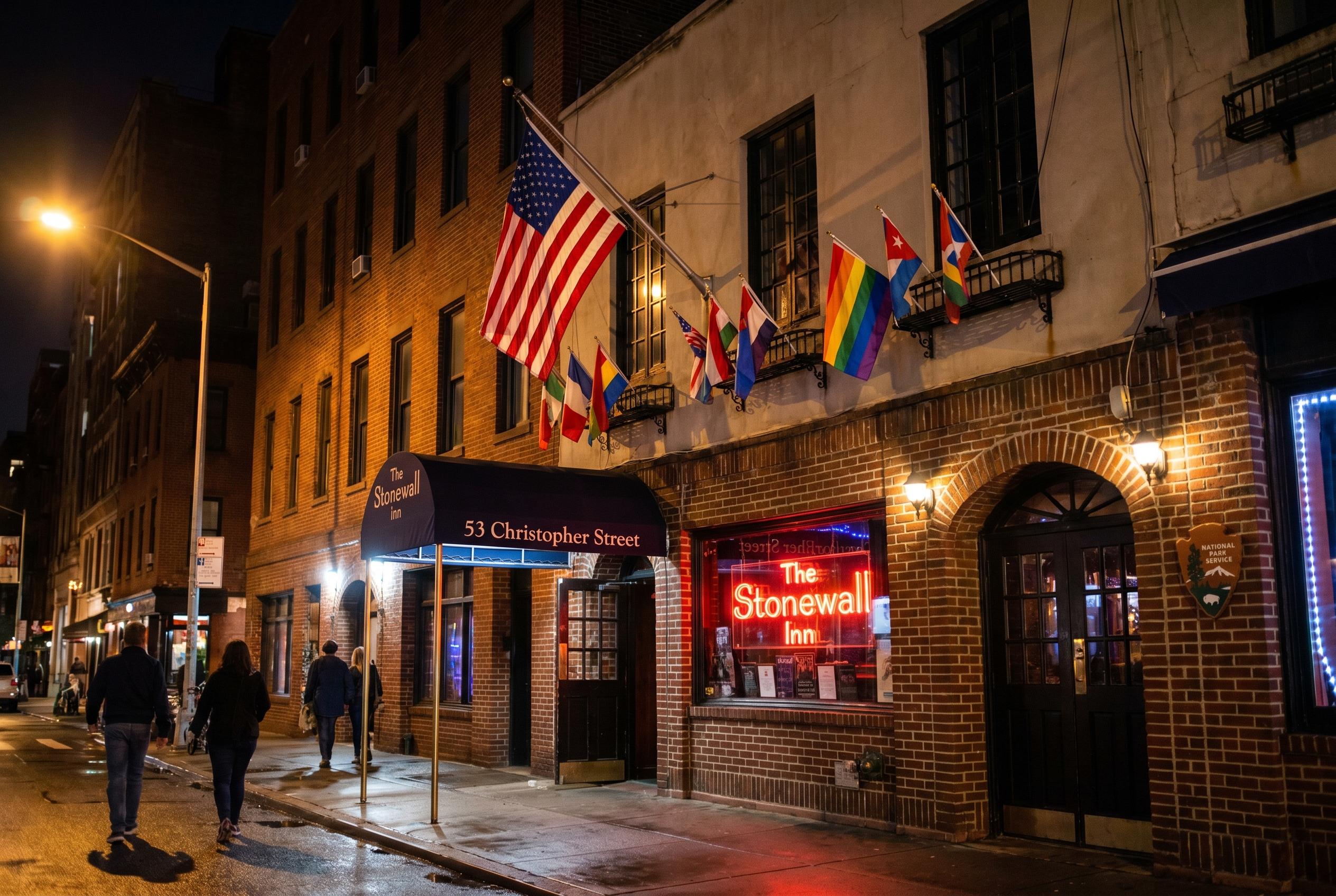
Celebrate: advocates won a clear victory as the Pride flag was restored to Manhattan’s Stonewall National Monument, ending a short but bitter dispute over who can fly symbols at federally managed sites and why LGBTQ+ visibility at the movement’s birthplace still matters.
- Quick outcome: The Trump administration agreed to restore the Pride flag after a settlement, avoiding a protracted First Amendment court battle.
- Why it mattered: The flag’s removal in February followed a new Interior directive limiting displays to “authorized” flags; its absence felt symbolic and jarring.
- Contrast noted: Critics pointed out inconsistent enforcement, with other controversial symbols remaining at some national sites, making the policy feel selective.
- Mood on the ground: Advocates described the return as a vital, emotional affirmation for a community whose history is preserved at Stonewall.
Why the flag’s removal felt like more than a policy change
The instant people saw the rainbow fly away from the Stonewall site, it landed as a cultural sting , quiet but unmistakable. According to reports in The Guardian and Metro Weekly, the Department of the Interior’s new instruction last February limited flags at agency-managed locations to a short list of “authorized” emblems, and the Pride flag was taken down under that rule. For the LGBTQ+ community and many visitors, the removal read as erasure at a place that marks the beginning of modern LGBTQ+ activism. The visceral reaction made this a story about identity, not just flag protocol.
How the settlement unfolded and what it avoids
Rather than head into a lengthy court fight over free-speech and equal-treatment claims, the administration reached a settlement with nonprofits representing community interests. PBS and ABC News reported that by agreeing to return the flag, the government sidestepped a First Amendment test that could have had wide implications for how public spaces handle expressive symbols. Practically, this means the case won’t set a courtroom precedent now, but it does close a painful chapter for advocates who called the takedown selective.
Selective enforcement and the broader argument
Observers compared Stonewall’s situation to other national sites where contentious symbols persist, and that contrast sharpened the argument of unequal treatment. The Washington Post chronicled how opponents framed the removal as part of a “pattern of systemic exclusion” , a phrase legal teams used in their filings , and that line of argument struck a chord because it framed a seemingly technical directive as politicised practice. If you’re trying to judge policy, this is the practical takeaway: rules that look neutral can produce very different outcomes depending on who enforces them.
What this means for LGBTQ+ history and tourism
Stonewall is more than a plaque; it’s a destination where history reads loud and close. Reports in Metro Weekly and PBS noted that keeping the Pride flag at the monument isn’t merely decorative , it’s a living marker that signals welcome, recognition, and continuity for visitors, historians and the local community. For those organising visits or school trips, the restored flag matters: it reassures visitors that a nationally recognised site acknowledges the community’s role in American history.
Practical takeaways for advocates and visitors
If you care about symbolic gestures and access, the settlement shows two things: advocacy works, and public pressure can influence federal site signage and displays. For local groups wanting to protect visibility at historic places, the obvious advice is to document, organise and partner with national nonprofits that can bring legal resources if needed. For visitors, bring a camera and some context , Stonewall’s restored Rainbow is now a talking point, and it’s worth hearing the stories from people who remember those early nights.
It’s a small, visual reclaiming of space that still packs a big emotional punch.
Source Reference Map
Story idea inspired by: [1]
Sources by paragraph: