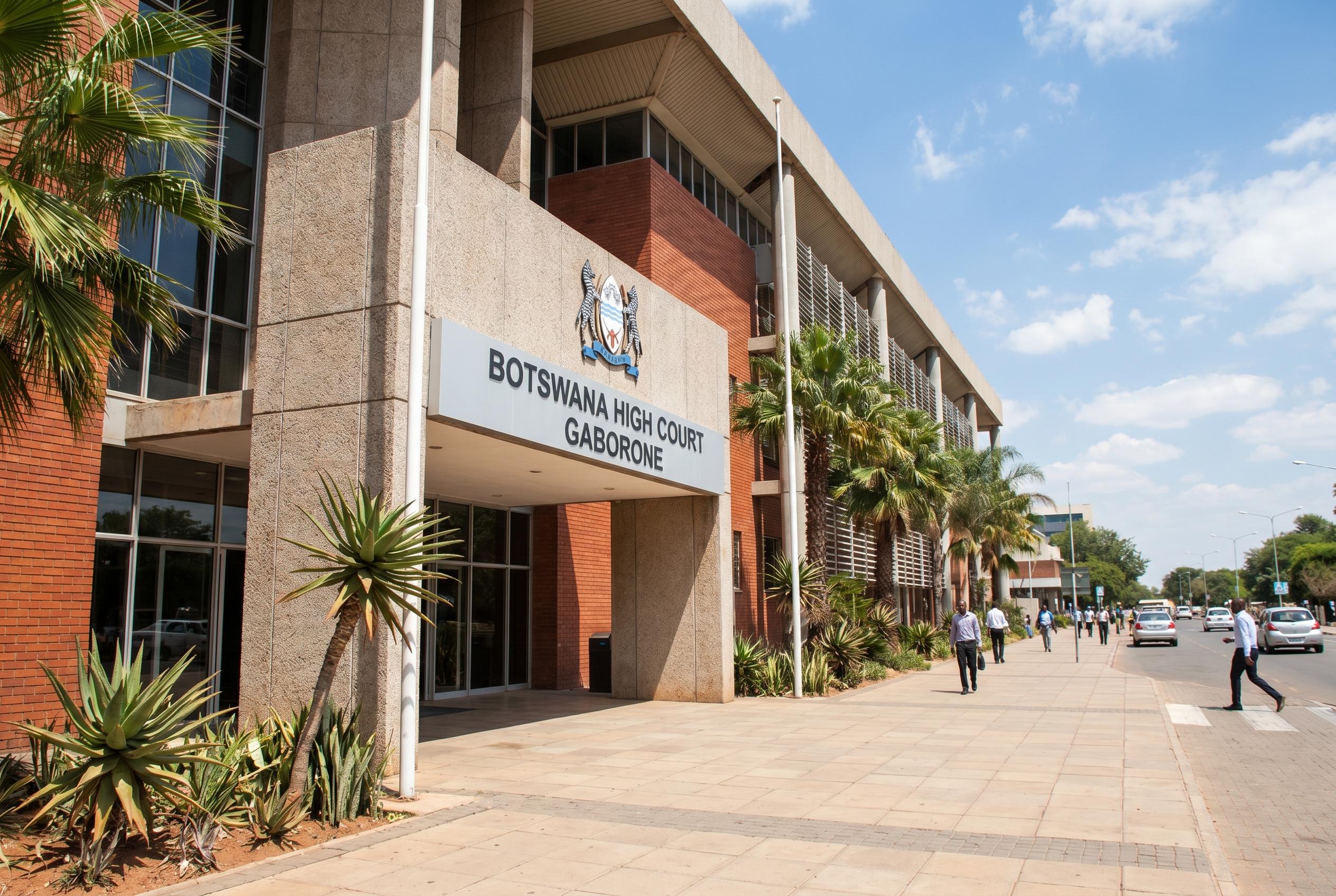
Celebrate: Botswana has quietly repealed the remnants of its anti-sodomy law, a move that finally clears the penal code of criminal language and underscores growing legal recognition for LGBTQ+ people in Southern Africa. It matters because laws shape everyday safety, access to services, and the dignity of millions.
Essential Takeaways
- Historic repeal: Paragraphs criminalising consensual same-sex relations were removed from Section 164 of Botswana’s Penal Code, leaving only the ban on bestiality.
- Judicial precedent: The change follows a unanimous 2019 High Court ruling that struck down the law as unconstitutional and an unsuccessful government appeal in 2021.
- Practical impact: LGBTQ+ groups say the amendment helps reduce stigma and barriers to healthcare, jobs, and safety.
- Continuing fights: Legal challenges remain, including a current case seeking marriage equality in Botswana.
- Regional context: Botswana already allows LGBTQ+ people to serve in the military and bars workplace discrimination based on sexual orientation.
Why this matters now: words on a page become real life
This is more than legal housekeeping; it’s a recognition that language in a penal code has lived consequences. Human Rights Watch reported on the 2019 High Court victory, where judges described criminalisation as an affront to dignity, and campaigners have long said those words affected access to healthcare, employment and personal safety. For people who grew up feeling illegal, the formal removal of criminalising paragraphs will feel, for many, quietly liberating.
How the ruling paved the way
Botswana’s change didn’t happen overnight. According to coverage at the time by Al Jazeera and others, the 2019 High Court ruling found the sodomy provisions unconstitutional, with judges emphasising personal autonomy and human dignity. The government appealed but lost in 2021, which left the law unenforceable. The recent amendment by Attorney General Dick Bayford simply aligns the penal code with those earlier judicial decisions , an administrative step with outsized symbolic weight.
What activists are saying and why they cheer
Local group LeGaBiBo welcomed the amendment as a clear message: LGBTIQ+ people are not criminals. Amnesty International and other rights organisations have argued similarly in nearby countries, celebrating legal reversals as victories for human rights. Campaigners point out that removing criminal language reduces the everyday fear that drives people away from clinics or jobs, and it helps shift public perceptions over time.
Rights already on the books , and the gaps that remain
Botswana isn’t starting from zero. Reports show LGBTQ+ people can serve in the military and that workplace discrimination on the basis of sexual orientation has been prohibited since 2010. Trans people have been able to change gender markers on documents since a 2017 High Court ruling. Yet gaps remain: marriage equality is still being litigated, and societal acceptance can lag behind the law. Expect legal skirmishes and public debate to continue as activists press for fuller recognition.
What this change means for the region
Court victories in Botswana have been noted across Southern Africa and beyond. Human Rights Watch and Amnesty have covered similar overturns elsewhere, and regional momentum can make it easier for activists in neighbouring states to press for reform. That said, each national context is different; legal wins don’t automatically translate into social acceptance, but they do create legal footholds and reduce the risk of criminal prosecution.
It's a small but meaningful shift that can make daily life safer and more dignified for LGBTQ+ people in Botswana.
Source Reference Map
Story idea inspired by: [1]
Sources by paragraph: