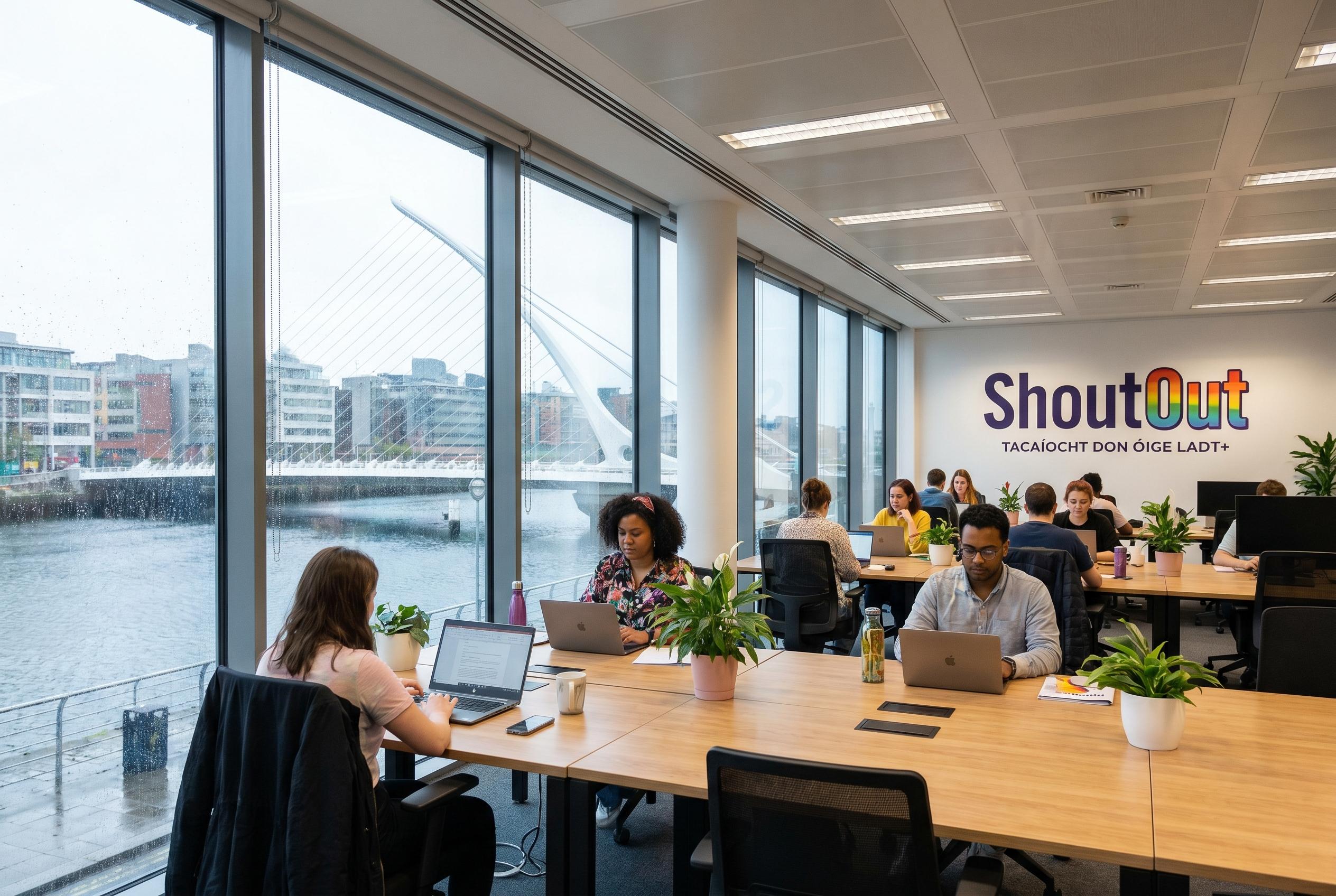
ShoutOut has launched NeuroQueer, a fresh, community-led resource for LGBTQ+ neurodivergent people in Ireland, offering practical tools, myth-busting and personal stories to help people feel seen, understood and better supported in schools, workplaces and healthcare.
- What it is: A community-built guide that mixes practical supports with first‑hand experiences for queer neurodivergent people.
- Accessible feel: Easy-to-read personal stories and tools, designed to be approachable and low-friction for readers.
- Backed by funding: Supported by the Department of Children, Disability and Equality’s LGBTI+ Community Services Fund 2025.
- Who benefits: Young people, educators, youth workers, parents and anyone seeking an intersectional approach to inclusion.
- Tone and purpose: Grounded in “Nothing About Us, Without Us,” aiming to reduce isolation and improve understanding.
Why this matters now: the overlap between queerness and neurodivergence
Research and lived experience increasingly show that neurodivergent people are statistically more likely to identify as queer, and both communities often share the experience of being outside social norms. That overlap means tailored resources matter, because generic LGBTQ+ or neurodiversity guides can miss the combined realities people face. This resource arrives with a quietly determined, practical sensibility, personal stories that feel immediate and tools you can actually use.
How NeuroQueer was put together and what’s inside
ShoutOut developed NeuroQueer with direct input from neurodivergent LGBTQ+ people, following the principle “Nothing About Us, Without Us.” The launch included a panel with creators and activists, and the material itself blends myth‑busting, practical tips and accessible first‑person accounts. Expect short, digestible sections rather than long academic chapters, useful if you’re scanning on a phone or sharing with a young person who prefers plain language.
What it offers educators, parents and youth workers
If you work with young people, the resource is a tidy starter pack for informed conversations. It highlights common missteps, like talking over neurodivergent young people rather than listening, and suggests simple changes that make school and youth settings more inclusive. Practical insights explain how to adapt language, structure support, and spot when someone needs accommodations rather than judgment.
How it helps in healthcare and workplaces
Healthcare and workplace professionals often lack tailored guidance for people at the intersection of queer and neurodivergent identities. NeuroQueer points to everyday adjustments, clearer communication, sensory considerations, and collaborative decision‑making, that reduce trauma and exclusion. For employers, the resource is a reminder that small, reasonable adjustments can make a big difference to retention and wellbeing.
Where it sits in a growing ecosystem of support
NeuroQueer complements other community hubs and projects that centre queer neurodivergent experience. It’s part of a broader movement towards intersectional, peer‑led resources that treat lived experience as expertise. Funding from government sources shows recognition at policy level, but the real muscle comes from the contributors and communities who shared their stories.
It's a small change that can make every conversation and support act feel more honest and useful.
Source Reference Map
Story idea inspired by: [1]
Sources by paragraph: