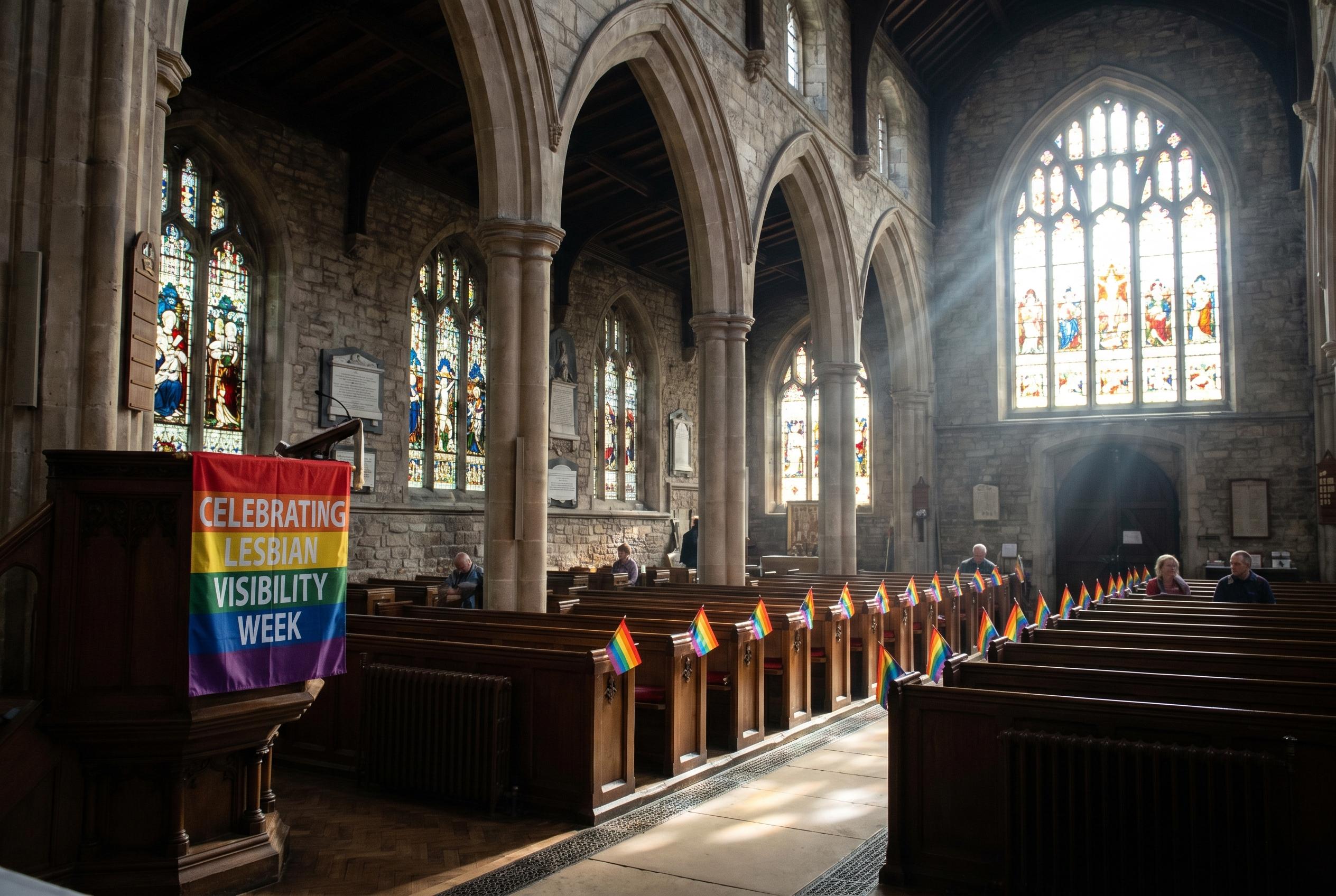
Celebrate visibility, listen actively, and act deliberately: community leaders, faith groups and workplaces are rethinking how to include lesbian women so they feel safe, seen and respected , not just spoken for. Here’s why Lesbian Visibility Week matters, and practical steps you can take.
Essential Takeaways
- Visibility matters: When lesbian stories are told, assumptions shift and stereotypes weaken, making personal safety and belonging more likely.
- Different experiences: Lesbian women often face unique barriers in faith, healthcare and community spaces that male-dominated LGBTQ+ settings can overlook.
- Practical inclusion: Simple actions , language choices, visible role models, anonymous support channels , increase safety and participation.
- Health and rights link: Greater visibility connects to better mental health outcomes and improved access to legal and health services.
- Honour history: Recognising those who campaigned before and creating durable, visible leadership opportunities helps sustain change.
Why Lesbian Visibility Week still matters today
Visibility isn’t a buzzword , it’s a practical repair job. For many lesbian women, especially those from religious backgrounds, being visible has meant risking family rejection, social exclusion or worse. Evidence collected by public health researchers shows that social recognition and acceptance reduce mental-health risks, so the stakes are real. Organisations from advocacy groups to human-rights charities mark Lesbian Visibility Week to spotlight those harms and to celebrate resilience and leadership.
The gaps that show up inside LGBTQ+ communities
You can’t assume inclusion just because a space is queer-friendly. Many lesbian women report feeling sidelined in spaces shaped by gay men’s culture or leadership, which affects who attends meetings, who’s celebrated and who leads. Simple unconscious biases , from who’s on the panel to what kind of social events are organised , can make a space feel uninviting. The fix starts with asking who’s missing and why, then adapting practices so everyone can feel at home.
Practical steps workplaces and faith groups can take
Start small and be specific. Use inclusive language in communications, ensure policies explicitly name lesbian women, and create confidential ways to seek support. Visible role models help , invite lesbian speakers, showcase diverse family stories, and make sure leadership pathways are open and promoted. For faith communities, prioritising pastoral care that listens without assuming harm or prescribing change can make a huge difference to someone’s sense of safety.
Health, rights and why visibility changes outcomes
Public-health summaries link discrimination and concealment to higher rates of anxiety, depression and poorer health care access. Legal and human-rights organisations point out that visibility also clarifies needs , from sexual health services to parental-rights protections , which improves service design. When lesbian lives are included in policy and public debate, it’s easier to build systems that actually meet those needs.
How to support lesbian visibility week without performative gestures
Don’t stop at a single post or token event. Combine awareness with infrastructure: fund local grassroots projects, back peer-support groups, and commit to long-term representation in boards and committees. Listen to lived-experience testimony and then follow up with concrete policy or practice changes. Authenticity shows in consistency, not just in colourful messaging for a week.
It's a small change that can make every space safer and every person more likely to show up.
Source Reference Map
Story idea inspired by: [1]
Sources by paragraph: