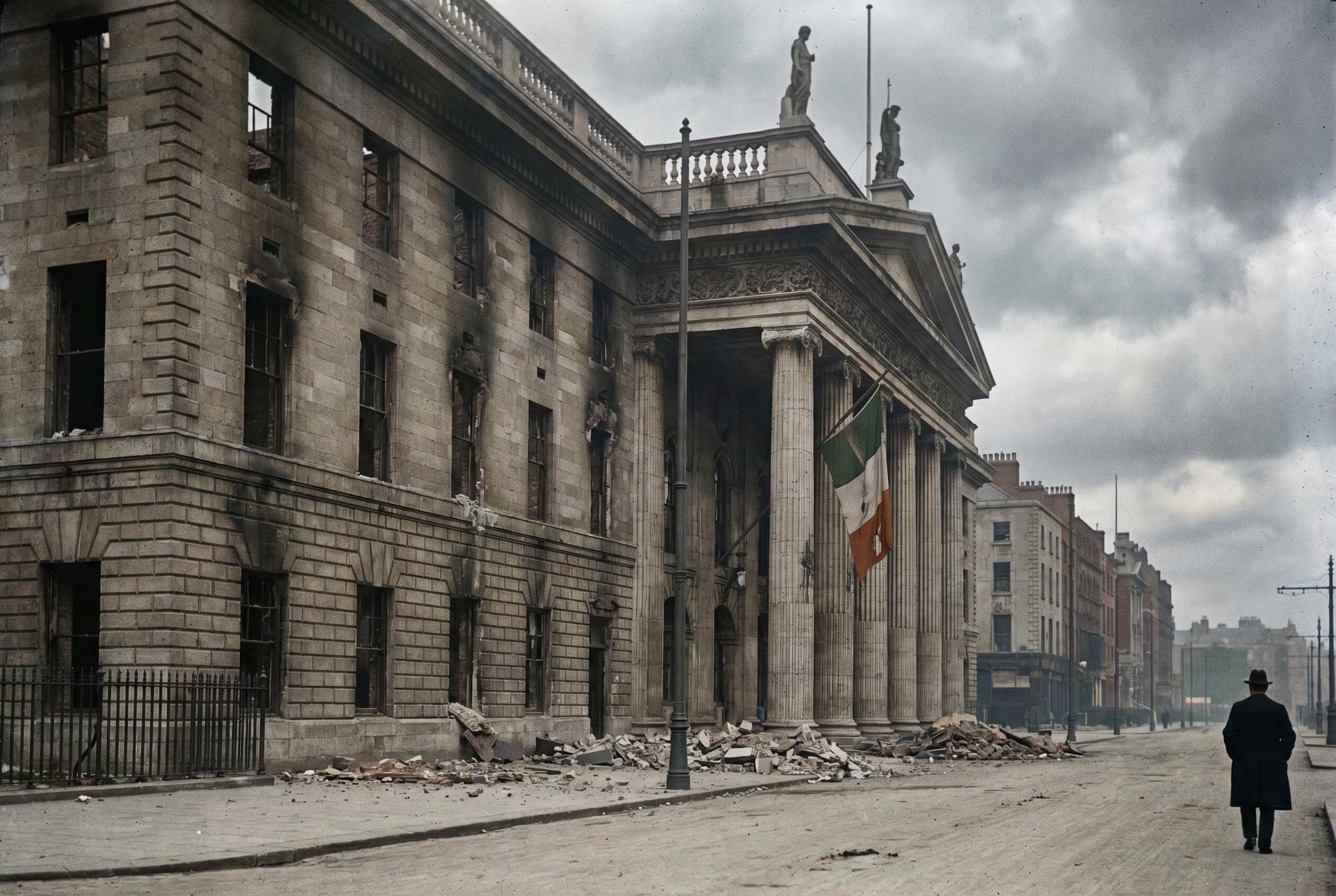
Shoppers and history buffs alike may not notice, but April 24 is quietly packed with queer signposts , from a Dublin rebellion and a scandal that shadowed a revolutionary, to the births of a diva and a designer who reimagined gender. Here’s why this date matters and what it tells us about identity, style and rights.
Essential Takeaways
- Historic pivot: April 24, 1916, marks the start of the Easter Rising in Dublin and the entanglement of Sir Roger Casement’s private life with political fate.
- Iconic birth: Barbra Streisand, born April 24, 1942, became a cultural North Star for many queer people through performance and authenticity.
- Fashion revolution: Jean Paul Gaultier, born April 24, 1952, used couture to challenge gender norms and celebrate the unconventional.
- Policy milestone: The aftermath of France’s 2013 Mariage pour tous landed on this date, spotlighting legal wins and fierce public debate.
- Visibility wins: April broadcasts like the 2000 film The Truth About Jane helped shift domestic queer storytelling from tragedy to nuance.
Why April 24 still smells faintly of revolution
On a damp spring morning in 1916, gunfire in Dublin set off a chain of events that would remap Irish politics and leave queer historians with a fraught archive. The Easter Rising wasn’t just a nationalist flashpoint; it became entwined with the fate of Sir Roger Casement, whose alleged private diaries were weaponised by authorities. Those pages, whether authentic or forged, made private desire part of a public execution, reminding us how dangerous visibility could be. For queer readers today, the day carries the sour tang of betrayal and the heavy reminder that personal lives have long been battlegrounds.
Barbra Streisand: an unlikely but enduring queer talisman
Born in Brooklyn and raised in a world that prized conformity, Barbra Streisand turned unconventional features and a bold voice into a career-long act of refusal. Streisand’s performances offered a template for queers and outsiders: don’t shrink, amplify. Her hits and film roles spoke to longing, performance and self-invention, and for many gay men and trans women of the post-war era she became a mirror and a rallying cry. According to biographies and entertainment round-ups, her birthday keeps popping up on celeb lists, but its deeper significance is cultural , a reminder that representation can be both spectacle and sanctuary.
Jean Paul Gaultier: why a skirt on a man still feels revolutionary
When Gaultier burst onto the Paris scene, he didn’t just dress bodies; he rethought who could occupy style’s front row. Casting non‑standard models, blurring masculine and feminine silhouettes and turning corsetry into empowerment, he stitched queerness into couture’s seams. His work with pop icons amplified that message, making fashion a loud, tactile argument for fluidity. If you’re choosing a designer look that says “not here to blend in,” Gaultier’s playbook still applies: pick pieces that surprise, fit deliberately, and refuse tidy labels.
From law to living rooms: what Mariage pour tous meant beyond politics
France’s passage of same‑sex marriage in 2013 was a legislative headline with everyday consequences. Beyond the speeches and street protests, the law opened up personal rituals , weddings, parenting, legal recognition , that alter how families imagine themselves. Justice Minister Christiane Taubira’s defence of the bill turned her into a public figure for equality, but the moment also exposed how secular values and human rights can clash in public debate. The lesson: legal change matters, but it’s the day‑to‑day cultural shifts that make it stick.
Small screens, big effects: The Truth About Jane and domestic visibility
Not every landmark needs a million-dollar budget. The Truth About Jane, broadcast in April 2000, slipped queer family life into suburban living rooms and did so with tenderness rather than spectacle. By focusing on a mother‑daughter reconciliation, the film broadened what queer stories could be on mainstream TV. That kind of representation taught viewers to recognise nuance , the messy, hopeful bits , and paved the way for the more textured queer dramas we binge today.
It's a small change that can make every remembrance feel a little more like witnessing.
Source Reference Map
Story idea inspired by: [1]
Sources by paragraph: