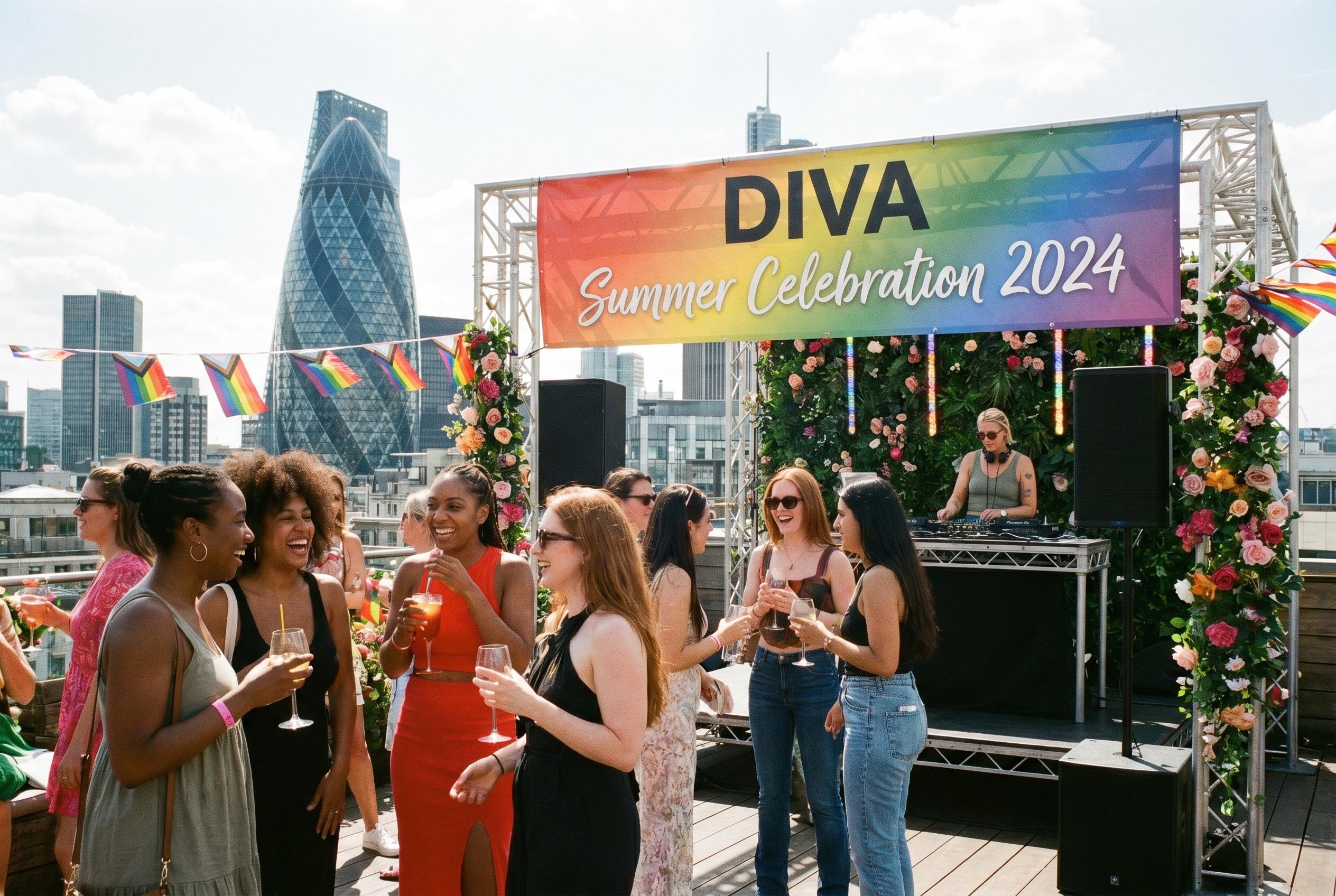
Shoppers, activists and readers are noticing Stonewall’s renewed push this year , campaigning across law, sport and community to make anti-LGBTQIA+ hate crime an aggravated offence and to lift queer women and non-binary people into the spotlight during Lesbian Visibility Week. It matters because the law, public life and everyday safety are all at stake.
Essential Takeaways
- Legal momentum: Amendments to the Crime and Policing Bill now aim to make anti-LGBTQIA+ hate crime an aggravated offence, increasing penalties and recognition.
- Wider push: Stonewall is combining legal lobbying with grassroots campaigns like Hold My Hand and Rainbow Laces to change behaviour and visibility.
- Community focus: Lesbian Visibility Week programming highlights diversity among LGBTQIA+ women and non-binary people, from sports to family life.
- Practical action: You can support change by joining campaigns, wearing rainbow laces, or amplifying events during LVW , visible solidarity matters.
Why the law change feels urgent right now
Stonewall and campaign partners have been clear: turning anti-LGBTQIA+ hate crime into an aggravated offence isn’t just technical legal work, it’s practical protection. Recent Home Office figures show thousands of hate crimes reported yearly, and Stonewall argues that tougher recognition can deter attackers and make prosecutions reflect the harm done.
This push follows amendments to the Crime and Policing Bill that have already passed stages in Parliament. According to Stonewall, the House of Lords has backed these changes, and campaigners are now focusing on keeping momentum through the Commons. For anyone worried about public safety, that feels like a small but crucial win.
Practical tip: if you witness or experience a hate incident, report it and use local victim support services , pushing cases into the system helps build the statistics that drive change.
How grassroots campaigns make law meaningful
Stonewall pairs big-picture law reform with everyday campaigns like Hold My Hand and Rainbow Laces. Those projects do the human work of shifting culture: making acts of support visible, normalising queer affection in public, and sparking conversations in workplaces and gyms.
Campaigns work because they turn abstract policy into lived moments. Wearing rainbow laces or holding someone’s hand in public might seem simple, but those gestures create safer social norms and make it harder for prejudice to feel acceptable.
Practical tip: join a local LVW event or buy rainbow laces , small gestures help create cumulative social pressure that supports legal change.
Why Lesbian Visibility Week matters for women and non-binary people
Lesbian Visibility Week is more than a series of Instagram posts. Stonewall and partners like DIVA are programming panels, sports activities and family-centred features that reflect everyday lives: queer parents, rugby players, policy-makers and artists. That diversity pushes back on stereotypes and gives role models to younger people.
The overlay of sexism, misogyny, homophobia and transphobia makes visibility work essential for queer women and non-binary people, who often face layered discrimination. Visibility helps build networks of care and influence, and it feeds into political campaigns by showing who’s affected.
Practical tip: look for local LVW listings and attend something that interests you , the best advocacy often starts with showing up.
Sport, culture and awards: changing perceptions in public life
Stonewall’s Rainbow Laces campaign and visible participation in Pride weekend events aim to normalise queer presence in sport and leisure. Public sporting bodies and clubs that engage create safer spaces and send a message that LGBTQIA+ people belong in fitness classes, teams and stadiums.
Cultural recognition matters too. Awards and literature that spotlight queer lives , from children’s books to adult memoirs , all contribute to shifting mainstream narratives. These cultural shifts make legal protections more likely to stick because public sentiment follows representation.
Practical tip: if you run a club or workplace, sign up for anti-hate training or public allyship weekends; institutional endorsement reduces microaggressions for members.
What’s next and how you can stay involved
Legislative wins require follow-through. Stonewall will keep lobbying as bills move through Parliament while running visibility and education campaigns on the ground. The organisation also links legal change to concrete support for survivors, campaigning to end conversion practices and fighting discriminatory treatment of veterans.
If you want to help, amplify trustworthy reporting, support queer media like DIVA, join local events during LVW, or simply wear a visible sign of solidarity. Change is never only legal , it’s social, cultural and personal.
It’s a small change that can make every public space safer.
Source Reference Map
Story idea inspired by: [1]
Sources by paragraph: