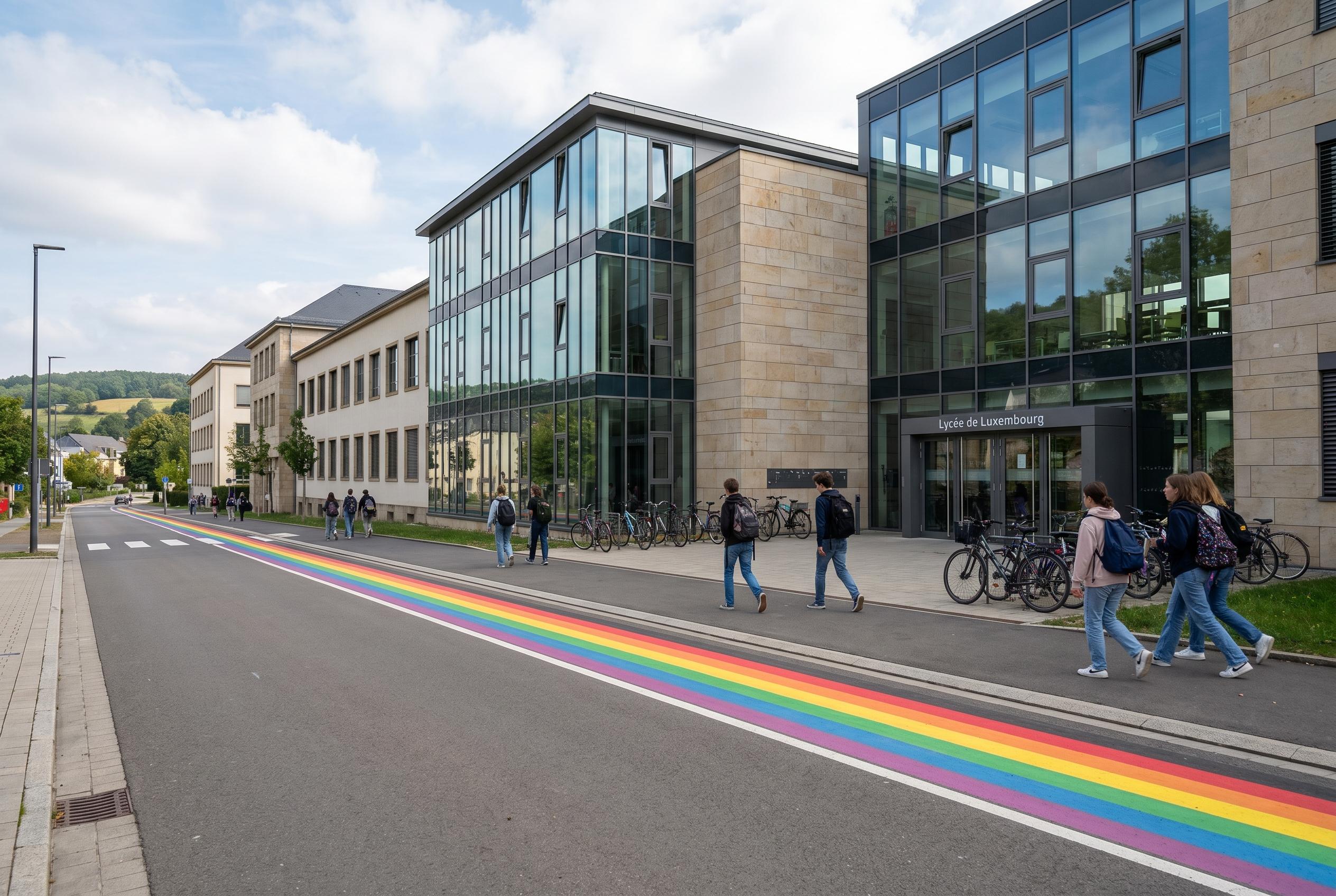
Shoppers and residents have noticed a splash of colour turning heads: a rainbow-painted stretch of cycle path near a school campus in Niederanven has triggered both warm praise and a fierce online backlash, raising questions about visibility, pride and how communities respond to symbols.
Essential Takeaways
- Local initiative: The municipality of Niederanven painted about 180 sqm of cycle path in rainbow colours to brighten the area near a school and signal values like respect and inclusion.
- Mixed reactions: The Facebook post drew over 400 comments, a wave of negativity largely from outside the community, alongside many supportive likes and messages.
- Community response: Officials emphasise dialogue and counterspeech rather than deleting criticism, and the painted section will remain.
- Safety and pride: Organisers and city leaders say Pride and visible gestures matter for visibility, protection and encouraging dialogue.
- Practical note: If vandalism occurs, the municipality will press charges; residents report children especially enjoy the colourful path.
A cheerful stripe that became a storm , what happened in Niederanven
The simplest thing , paint on tarmac , exploded into a social-media event, with some comments shocking in tone and vigour and others beaming approval. According to the town’s mayor, Fréd Ternes, the aim was straightforward: add colour around the school and signal values such as solidarity and inclusion. The scene is visual and vivid; children reportedly love it, which is probably the clearest indicator of success.
The reaction underlines how a local gesture can quickly become a wider conversation. Mayor Ternes says most negative feedback came from people who don’t live in the area, suggesting online dynamics rather than neighbourhood disputes fuelled the uproar. That’s important when you think about how images travel faster than context.
Why officials refused to erase the rainbow
Niederanven’s decision to keep the paint up was as much political as practical. The mayor was adamant: the stripe stays “as long as I’m here”. Rather than deleting homophobic comments, the municipality added a clear statement condemning discrimination and defending respectful discourse. They’ve balanced free expression with accountability , if the line crosses into hate speech, legal steps will follow.
That approach reflects a trend in local governance: visible gestures can be paired with clear rules and follow-through, rather than censorship, to shape community standards.
Pride, counterspeech and the return of public celebration
This episode isn’t isolated. Luxembourg City recently announced the return of Pride in 2026, and that too provoked strong reactions online. Organisers such as Rosa Lëtzebuerg report they’ve grown used to negative comments, but insist on counterspeech , calm, factual replies and sometimes humour , to defuse misinformation and defend dignity.
Counterspeech is practical: rebutting false claims, offering facts or simply showing solidarity can blunt the impact of hostile posts. And it’s a reminder that Pride is more than a parade of colours; it’s a platform for visibility, cultural exchange and political demands.
What the rainbow means for people on the ground
For many residents and especially young people, a rainbow on a cycle path is an everyday signal that they belong. Activists argue visible markers like this help people in self-discovery feel seen, and they create low-barrier moments of support in public space. The rainbow also serves a civic role , it signals a municipality’s values and can be a gentle nudge toward respect in daily life.
At the same time, officials acknowledge there’s still work to do. The sharp tone of some online reactions shows that education and dialogue remain necessary, even in a country that prides itself on openness.
How to respond if your local gesture sparks debate
If your council or community group is considering visible diversity projects, think ahead: prepare a short explanatory message, invite local voices , particularly young people , and plan how you’ll moderate or respond to online comments. Counterspeech, clear rules about hate speech and a commitment to enforcement if vandalism occurs, make a difference. Above all, centre the people who use the space most: children, cyclists and neighbours.
It’s a small change that can make every pedal and step feel safer.
Source Reference Map
Story idea inspired by: [1]
Sources by paragraph: