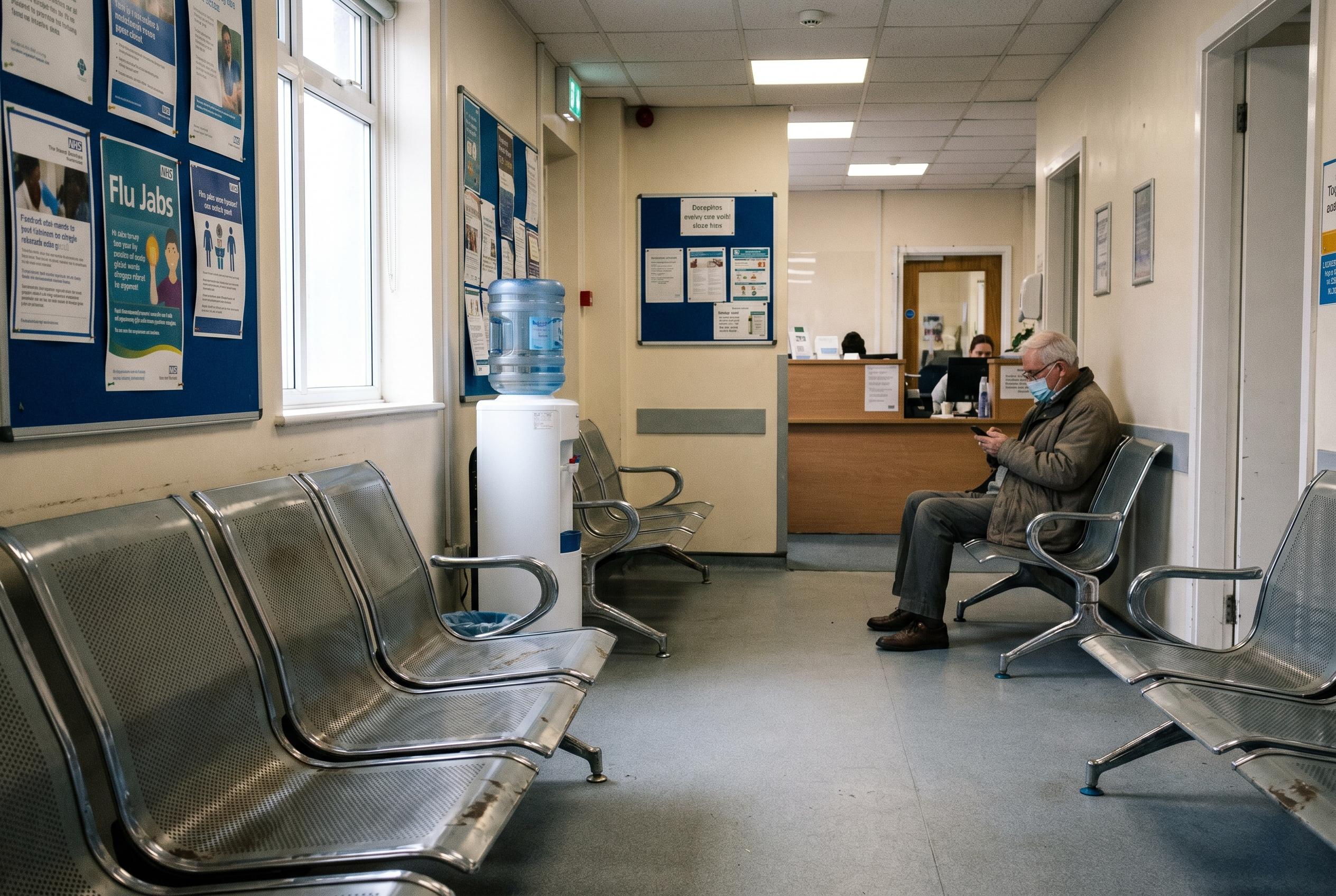
Shoppers are turning to data: the new Kantar DIVA Curve survey shows one in three LGBTQIA+ women and non-binary people are delaying healthcare because they fear discrimination , a stark finding that matters for patients, clinics and policymakers during Lesbian Visibility Week.
Essential Takeaways
- Widespread avoidance: Around one in three LGBTQIA+ women and non-binary respondents report delaying or avoiding healthcare due to fear of bias.
- Feeling dismissed: Nearly half left a healthcare visit feeling misunderstood, dismissed, or not taken seriously because of their identity.
- Safety split: Sixty-two percent feel very safe at home, but only about one in four feel very safe in public venues like bars or on public transport.
- Global snapshot: The survey sampled 3,212 people across the UK, US, India, South Africa and Germany, highlighting both common and region-specific barriers.
- Practical gap: These are not abstract worries , identity-based fear is changing real-life decisions about wellbeing and access to services.
A blunt wake-up call: fear is keeping people from doctors
The headline stat lands hard: one in three LGBTQIA+ women and non-binary people delaying healthcare because they expect discrimination. That’s not a nuance, it’s behaviour , people putting off routine checks, tests or treatment because they anticipate bias. The Kantar DIVA Curve survey, released to mark Lesbian Visibility Week, interviewed more than 3,200 people across five countries, giving this number real scale and an international feel. For anyone working in clinics or commissioning services, that’s a red flag that trust and welcome need fixing.
The survey adds a human texture: almost half of respondents said they’d left an appointment feeling dismissed or misunderstood. That emotional residue , frustration, shame, mistrust , is one reason people may skip follow-ups or hide important details about their health. In short, visibility without safety is incomplete.
Where safety lives , and where it disappears
There’s an odd split in the findings. Most respondents feel safe at home , 62 percent saying they feel very secure , but public life is riskier. Only around a quarter feel very safe in places most of us take for granted: cafés, bars or public transport. That drop isn’t just about nightlife; it colours whether someone will travel for an appointment, attend group therapy or access community services. If public spaces feel risky, healthcare becomes something you ration.
That difference also explains why clinics and outreach that feel explicitly queer-friendly matter. Visible signals , inclusive posters, gender-neutral intake forms, staff trained in queer cultural competency , can shift that public-safety calculation and make a visit feel possible, not perilous.
Why the numbers matter for outcomes
Delay and avoidance are more than statistics; they translate into worse outcomes. Other research into LGBTQ health shows higher rates of chronic illness when care is missed, and disparities around preventive services and mental health support. For example, kidney and other chronic disease pathways can worsen without timely diagnosis and monitoring. So when people avoid care, we’re likely to see medical consequences down the line.
Policymakers and providers can’t treat these as niche problems. The Kantar DIVA Curve’s cross-country approach hints at systemic gaps: visibility has improved in some spheres, like media representation, but the lived experience of safety in healthcare hasn’t kept pace. That mismatch is a clear target for action.
Practical steps clinics and commissioners can take now
Small changes make big differences. Start with basics: use inclusive language on forms, offer non-binary options, display clear anti-discrimination statements and train frontline staff on respectful communication. Make visible referrals to LGBTQ-competent services and advertise those links online and in waiting rooms. For people arranging care, ask about transport options and consider flexible appointment modes like telehealth.
For patients, a useful tactic is to phone ahead and ask about inclusivity or request a provider known to be LGBTQ competent. Community groups and charities can help with recommendations. And commissioners should fund training and make equity metrics part of performance reviews so welcoming care isn’t optional.
Looking ahead: why Lesbian Visibility Week matters now
Lesbian Visibility Week has become a timely platform because this research ties visibility to tangible harm when safety isn’t guaranteed. As Lady Phyll of the DIVA Charitable Trust puts it, visibility without belonging forces people into life decisions driven by fear , a blunt reason to push for cultural and institutional change. Celebrations and campaigns are important, but they need to pair with measurable improvements in services and data inclusion to close the trust gap.
Expect the conversation to shift from symbolic representation to practical fixes: more routine data collection that includes lesbian, bisexual, trans and non-binary people, targeted funding for tailored services, and accountability for institutions that fail to provide safe care.
It's a small change that can make every appointment feel safer.
Source Reference Map
Story idea inspired by: [1]
Sources by paragraph: