Shoppers and allies are stepping up: a survivor-led nonprofit has launched a new fundraising drive as it prepares to return to Utah Pride, and the money will keep support groups, education and survivor storytelling alive where it matters most.
- Who they are: Conversion Therapy Survivor Network is run by people with lived experience of sexual orientation and gender identity change efforts, offering peer-led support and advocacy.
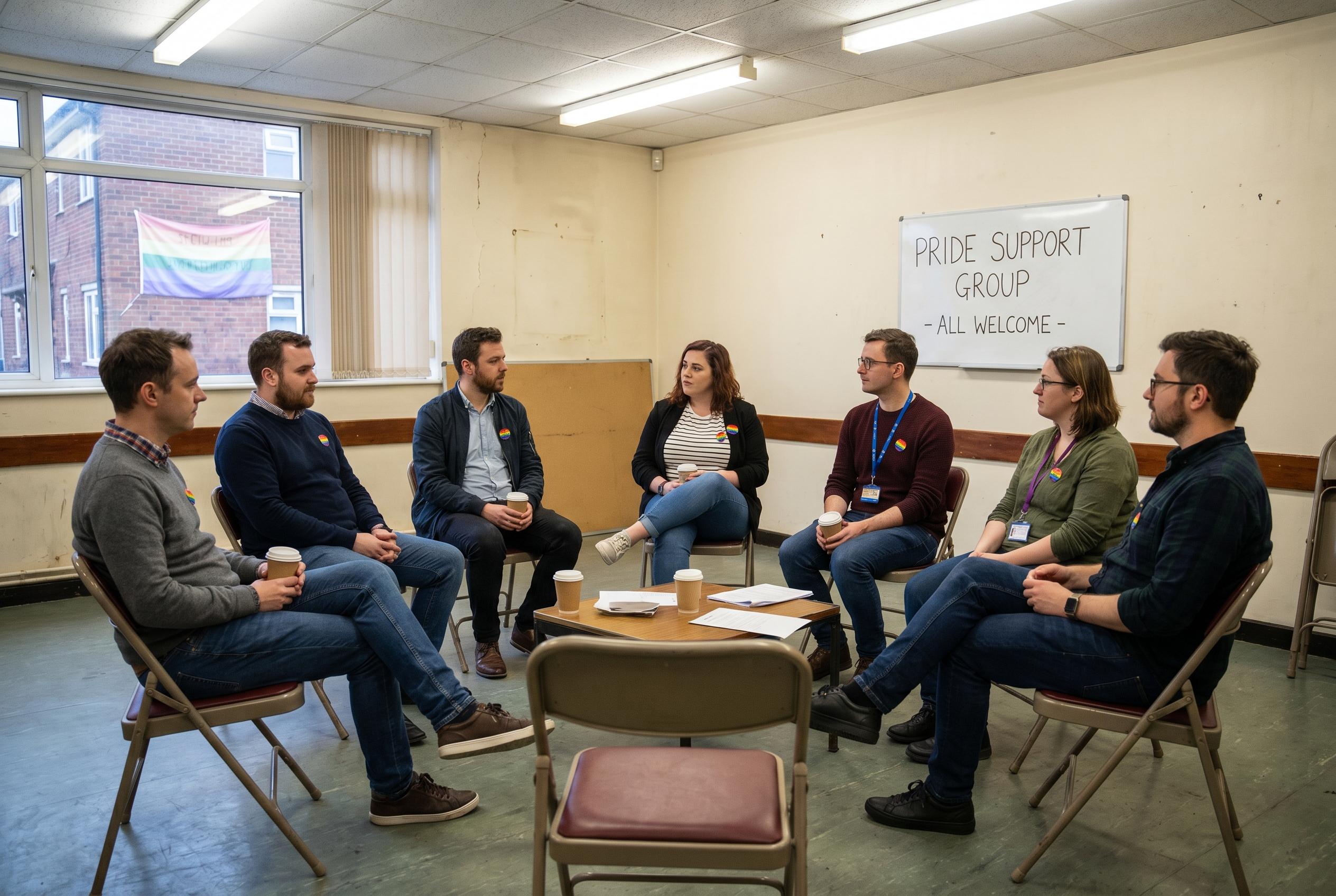
- What they fund: Donations pay for a weekly survivor support group, survivor-led podcast, public education, Pride booths and participation in the International Day to End Conversion Therapy.
- How it feels: The work is grassroots and visible , booths at festivals create a low-pressure, welcoming spot for people to connect when they're feeling fragile.
- Practical gift: A small monthly contribution helps cover steady operating costs and keeps programming running year-round.
- Where to give: The campaign is hosted on GoFundMe under “Building Community,” and more background is on conversionsurvivor.org.
Why this fundraiser matters now , visibility with a human face
The most striking thing about this push is its timing: heading into Pride means CTSN will be where people gather, and that visibility really counts. A colourful stall at a festival might seem small, but for someone still processing the trauma of conversion attempts, it’s a quiet lifeline. According to the organisation’s materials, sustaining those in-person touchpoints is a major reason the GoFundMe exists.
This isn’t a new group thrown together for events; CTSN started in 2019 and is survivor-led. That history shows in how they describe their work , peer support, education and storytelling are central, and they aim to meet people with practical compassion rather than clinical distance.
The programs your donation keeps running
Donors are funding more than banners and pamphlets. The network runs a weekly support group where members can talk, process and heal together, a survivor-led podcast that shares firsthand stories, and public education projects to prevent future harm. They also coordinate participation in the International Day to End Conversion Therapy, which helps keep the issue on the public agenda.
If you prefer impact that’s easy to picture, think of evenings where people offload their worst memories to others who understand, or a podcast episode that tells a story someone needs to hear. Those small moments add up.
How to choose how to give , one-off or ongoing
A single donation helps now, but organisers emphasise the importance of regular funding for day-to-day costs. If you can, set up a modest monthly amount to stabilise staffing, venue hire for groups, and travel to Pride events. For do-it-yourself funders, sponsoring a specific item , like a month of meeting space or podcast hosting , can be a satisfying, tangible way to help.
The GoFundMe page lists current goals and explains where money goes, and conversionsurvivor.org has programme details if you want to dig deeper before donating.
The bigger picture: prevention, policy and community
This fundraising push isn’t just about services. Public education and survivor testimony aim to stop harm before it happens and to shape conversations about policy. Participating in the International Day to End Conversion Therapy is both symbolic and practical: it widens networks, attracts media attention, and builds pressure for legal protections.
Community groups like CTSN also offer a model for how survivor-led organisations can influence culture , they combine grassroots outreach with storytelling and advocacy to change hearts as well as laws.
What to expect at Pride , practical support, not just pamphlets
If you spot CTSN at Utah Pride, expect a welcoming presence, friendly conversation and materials that point to ongoing support rather than one-off advice. Their booths are designed to be low-key and approachable, a place where people who’ve been harmed can feel seen and get next steps.
If you’re attending and want to help beyond donating, volunteers are often needed for staffing booths or spreading the word. Even stopping to listen can make a difference.
It's a small change that can make every interaction safer and more hopeful.
Source Reference Map
Story idea inspired by: [1]
Sources by paragraph: