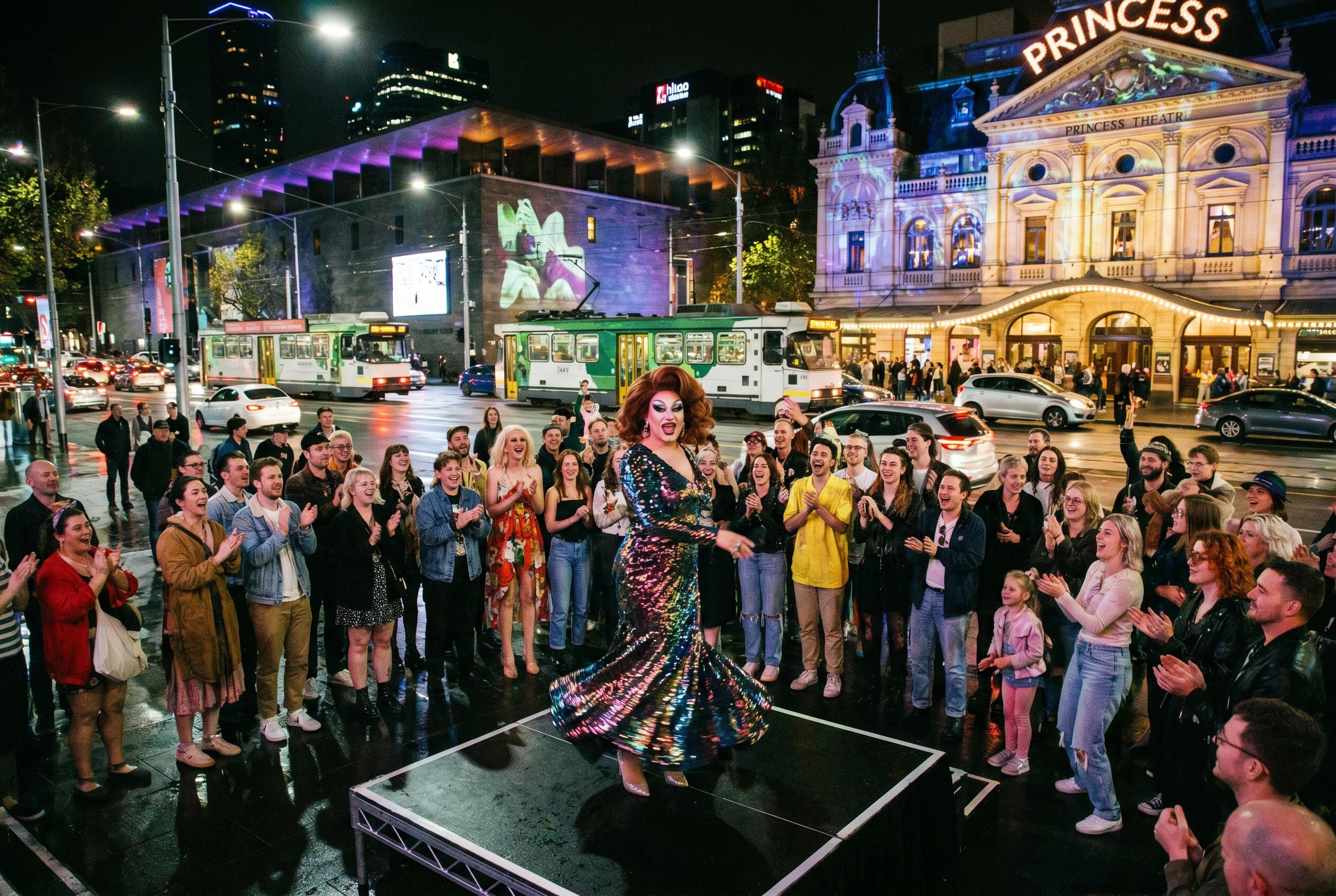
Shoppers are turning off the TV and looking back: Drag is shifting from one-screen spectacle to a deeper, messier art form that matters to performers and audiences alike. From Melbourne club rooms to archival film screens, here's why drag's future is more diverse, political and resilient than the reality-show template.
Essential Takeaways
- Cultural reboot: Drag culture has a long history and is now being rediscovered through film programmes and documentaries, showing styles beyond the TV mould.
- Local flavour matters: Australian drag leans rougher, funnier and more political , sturdy, cheeky performances built for pubs as much as glitzy clubs.
- Marketplace shift: Gigs and funding have dipped, while public backlash has risen, so artists are adapting with new venues and hybrid shows.
- Creative freedom: Many performers argue that moving away from the RuPaul template will encourage unique references and surprise.
- Why it matters: Preserving drag’s history helps younger queer people connect with political, cultural and theatrical legacies.
Why turning off Drag Race reveals more than it hides
Start with a surprise: when you step away from the TV show, drag feels less polished and more alive, with a rougher theatre smell and real stakes. Programmes such as curated Drag Weeks at cultural centres are reminding audiences that drag predates any franchise. According to festival organisers, films and documentaries put faces and histories to a craft often flattened by reality television. For curious viewers, this context makes performances richer and more meaningful.
The archive boom: films are doing heavy lifting for drag’s storytelling
Documentaries and classic queer films are suddenly headline acts in their own right, and that's a good thing. Screenings of Paris Is Burning, underground club kid films and local features bring nuance: they show ballroom politics, club culture and the humour that shaped contemporary drag. Curators say these works teach younger performers where certain moves and codes came from, and why history matters on stage. If you want to understand a performer, watch their influences , it's that simple.
Aussie drag isn’t trying to be Beyoncé , it’s built to survive any room
Australian performers often tell a practical story: fewer gay clubs and smaller funding pots mean queens must charm mixed audiences from RSLs to regional pubs. That produces a style that's bold, abrasive and very funny , what some call “hearty” drag. Winners from local competitions emphasise adaptability: joke sharp, lip-sync harder, and pivot when a crowd doesn't get your reference. For bookers and fans, that means shows that land differently, and often more memorably, than the big-studio polish of a TV runway.
The politics of performance: drag as protest and conversation
Drag has always been political, whether through camp, parody or full-on provocation, and that role is intensifying. Analysts and artists alike note that the artform stages questions about gender, identity, colonial history and belonging in a way few other performance styles do. As public protests target family-friendly drag events, many performers are choosing brave programming that speaks back rather than hides. If you want to support the art, choose events that explicitly fund community groups or education programmes.
What performers want next: mystery, diversity and creative space
There’s a tension: visibility brought respect but also backlash and a formulaic look. Some performers openly long for a bit of enigma , less exposure, more room to experiment. Others call for expanding reference points beyond one television show so costumes, choreography and comedy can surprise again. Practical advice for emerging artists: study the old films, tour small towns, and build a repertoire that survives being unexpected.
It's a small change that can make every show feel new again.
Source Reference Map
Story idea inspired by: [1]
Sources by paragraph: