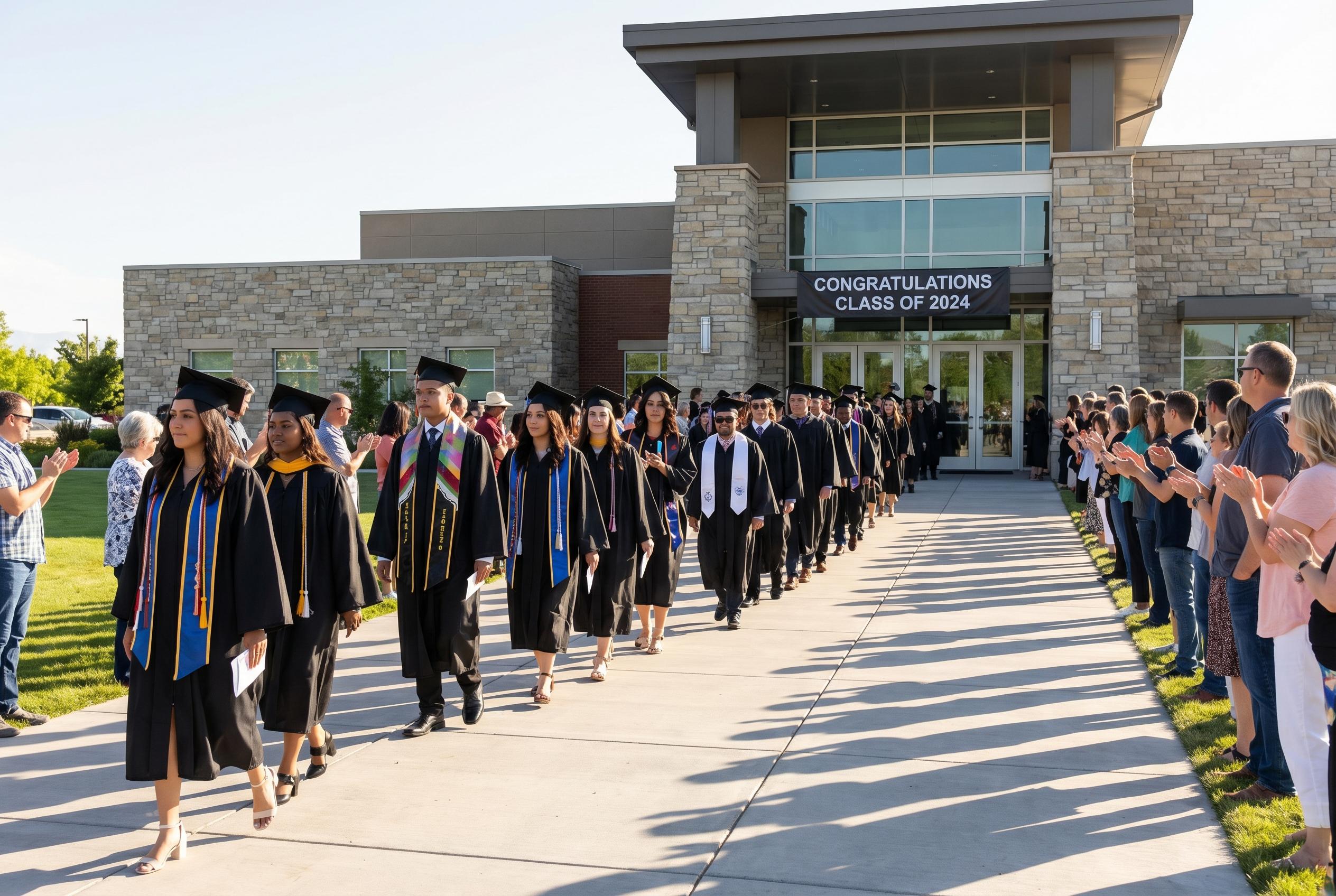
Shoppers are turning to community rituals of belonging as Utah prepares for its Lavender Graduation on April 23 , a public, affirming commencement for LGBTQ+ students where identity, resilience and achievement are honoured with caps, gowns and professional photos. Here's what to know, why it matters, and how to take part.
Essential Takeaways
- When and where: Lavender Graduation is Thursday, April 23 at the Utah Cultural Celebration Center; doors open 4:30pm and the ceremony starts at 5pm.
- What to expect: A full graduation ceremony with processional, individual recognition, chosen names, pronouns honoured, and a reception with free professional photography.
- Who’s invited: Graduates, families (biological and chosen), friends, allies and the broader community , the event is open to the public.
- Deadlines and help: Graduates and volunteers must register by April 20; organisers are seeking at least 10 volunteers for day-of logistics.
- Emotional note: The affair is both celebration and sanctuary , a visible moment of recognition in a sometimes challenging local climate.
Why this ceremony feels different , and why that matters
Lavender Graduation is more than a photoshoot; it’s a deliberately affirming ritual with a tactile warmth , the crisp snap of a gown, the hum of applause when a chosen name is read. According to Project Rainbow Utah’s event listings, the group treats this as a formal commencement, not a symbolic add-on, so graduates receive the full parade of honours. That tangible recognition matters in places where LGBTQ+ students might not feel fully seen at traditional ceremonies. If you’ve ever watched a family photo with a quiet, missing place, you’ll understand why this matters.
How the event is organised , structure, photos, and practical details
Doors open at 4.30pm with a 5pm start, and Project Rainbow Utah has included free professional photography to ensure memories are captured respectfully and beautifully. Organisers have emphasised chosen names and pronouns, which relaxes a lot of the anxiety many queer and trans students face in mainstream commencements. If you’re attending, arrive early , the team expects more than 50 graduates and a large turnout, so seating and check-in move quicker for those who come prepared.
Who’s joining and how to sign up
Graduates, family members, friends and allies are all welcome , the invitation is deliberately broad to reflect chosen families as well as biological ones. Graduating students should register by April 20 using the link provided by Project Rainbow Utah, and the same deadline applies for volunteers. The organisers are short on hands and asking for at least 10 volunteers to help with logistics, greeting and the reception. Volunteering is a good way for allies to show up in a concrete way.
Lavender Graduation in context , a national tradition growing locally
Lavender Graduation began as a ceremony to celebrate LGBTQ+ student achievement and has spread across colleges and communities nationally, from small liberal-arts events to university ceremonies. Institutions from community colleges to universities now host similar gatherings, which underlines how visibility rituals have become part of modern commencement culture. In Utah, where public conversations about LGBTQ+ rights can be fraught, the ceremony also reads as a gentle, civic statement: a reminder that celebration and safety go hand in hand.
Tips for attendees and supporters
If you’re a graduate, double-check registration and bring any name or pronoun preferences ready for the check-in desk. Guests should plan to arrive early and consider bringing small signs or flowers for photos , they add warmth without distracting from the ceremony. Volunteers should wear comfortable shoes and be ready for light crowd-management duties. And for anyone unsure about etiquette: listen, follow the graduate’s lead, and let chosen names and pronouns be the standard.
It’s a small change that can make every graduate’s milestone feel fully, proudly acknowledged.
Source Reference Map
Story idea inspired by: [1]
Sources by paragraph: