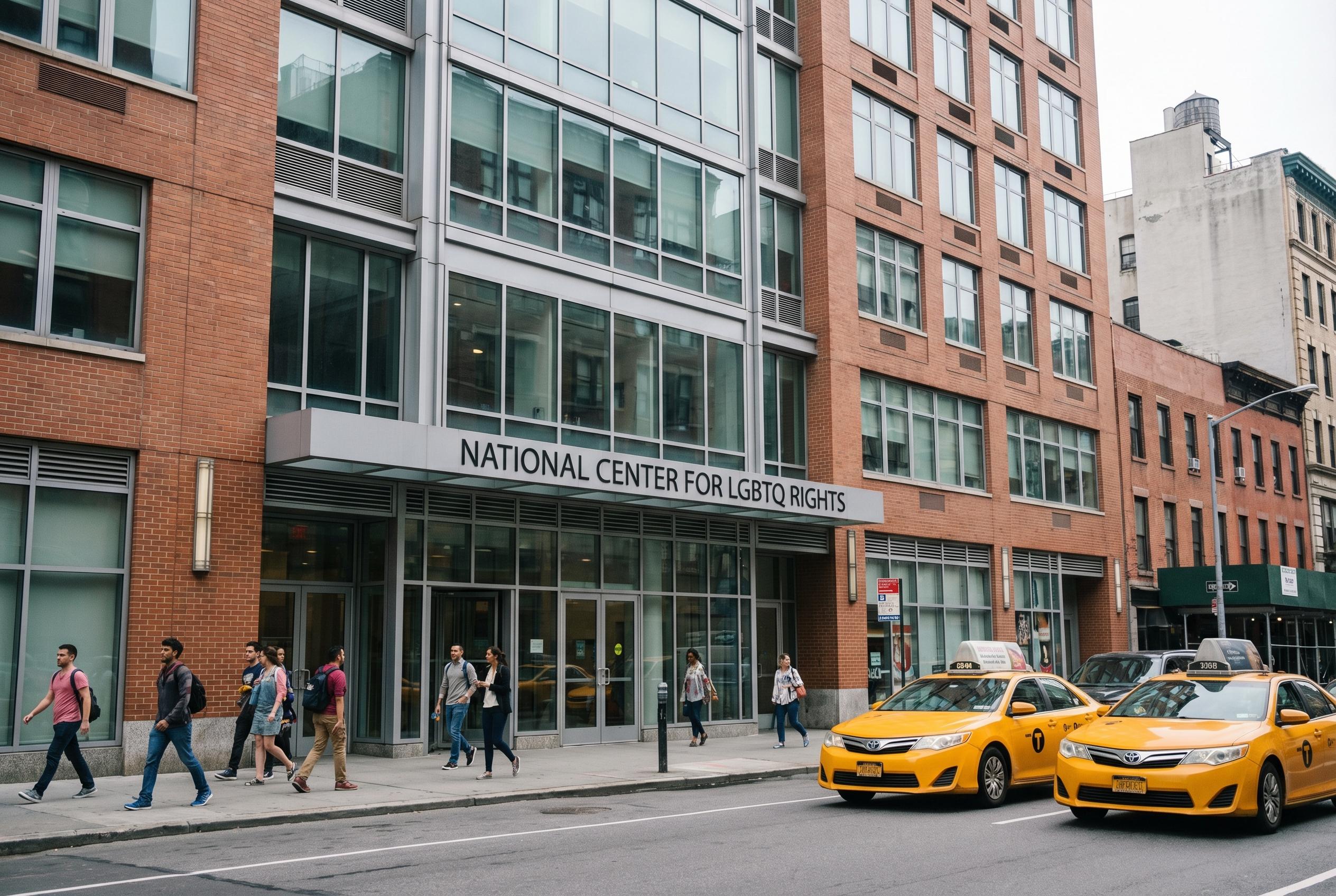
Shoppers for change are noticing: Shannon Minter, legal director at the National Center for Lesbian Rights, has been named to the TIME100 list, a timely nod to decades of landmark litigation as transgender rights face fresh, high-stakes court battles across the US. This recognition highlights why the fight still matters and who’s steering it.
Essential Takeaways
- Influential recognition: Shannon Minter was named to TIME’s 100 most influential people, listed among “Pioneers.”
- High-stakes work: He’s litigating major cases on the military ban and prison safety that directly affect transgender people’s lives.
- Human-centred approach: Minter ties legal strategy to lived experience, emphasising clear, relatable advocacy.
- Emotional toll noted: Families and young people are feeling cumulative losses from restrictive policies, he says.
- Longstanding record: His career includes landmark wins and public-service honours that shape current strategies.
Why TIME’s nod matters right now
Minter’s inclusion on the TIME100 feels less like a personal spotlight and more like an urgent signal about where the culture and courts stand. There’s a quiet, aching detail to the moment , you can almost sense how visible someone becomes when protections are threatened. According to The Advocate, Minter sees the honour as proof that the mainstream recognises the gravity of what transgender people are facing. That matters because visibility can shape public sympathy and, eventually, legal outcomes.
From prison rights to military service: the thread that ties his work together
Minter’s legal résumé reads like a map of modern civil-rights battles: early work on Farmer v. Brennan, fights over housing and safety in prisons, Obergefell ties, and now challenges to bans on transgender military service. These aren’t isolated skirmishes, he told The Advocate; they’re interconnected fights over who gets to belong and who’s forced into harm. For anyone choosing which cases matter most, he points to military exclusion and prison safety as the two sides of the same coin , one denies full participation, the other endangers people when they’re most vulnerable.
How human stories steer courtroom strategy
One reason Minter’s legal approach gets results is that he keeps the human detail front and centre. He draws on relationships like the one with Dee Deidre Farmer, whose story of survival and persistence helped frame constitutional claims decades ago. Minter told The Advocate that law works best when it’s rooted in lived experience and explained plainly. That’s practical advice for advocates: keep the language clear, bring juries and judges into the human reality, and don’t let technical legalism drown out the person in the case.
The less-visible fights: asylum, families, and everyday life
Beyond headline cases, Minter warns that asylum claims and deportations of LGBTQ+ people receive too little attention. These are quiet, urgent tragedies where people are returned to places where they could face torture or death. He also underlined the toll on families , a father or mother watching a child being excluded from ordinary activities feels a cumulative grief that changes daily life. For readers, the takeaway is simple: policy shifts can ripple into everyday moments, and small exclusions add up.
What this recognition could do next
A TIME100 mention isn’t just a trophy; it’s ballast. Minter hopes it gives people hope and courage, signalling that the work being done is seen and making a difference. Practically, that kind of high-profile recognition can attract attention to overlooked litigation, help raise funds, and broaden public conversations that the courts ultimately respond to. For anyone invested in civil rights strategy, the lesson is clear: visibility amplifies leverage.
It's a small but meaningful reminder that law, when paired with persistence and human stories, still changes lives.
Source Reference Map
Story idea inspired by: [1]
Sources by paragraph: