Shoppers are noticing a sudden gap in Alaska’s gender-affirming care: Identity Alaska has closed, leaving many transgender and gender-diverse people scrambling for continuity. This guide explains who can help, what to request from your former provider, and practical ways to avoid treatment gaps while you transition to new care.
Essential Takeaways
- Request records now: Ask Identity Alaska for your medical records and write down current medications and dosages to avoid delays.
- Book follow-ups quickly: Schedule a new appointment soon to prevent lapses in hormones or monitoring; telehealth options can be faster.
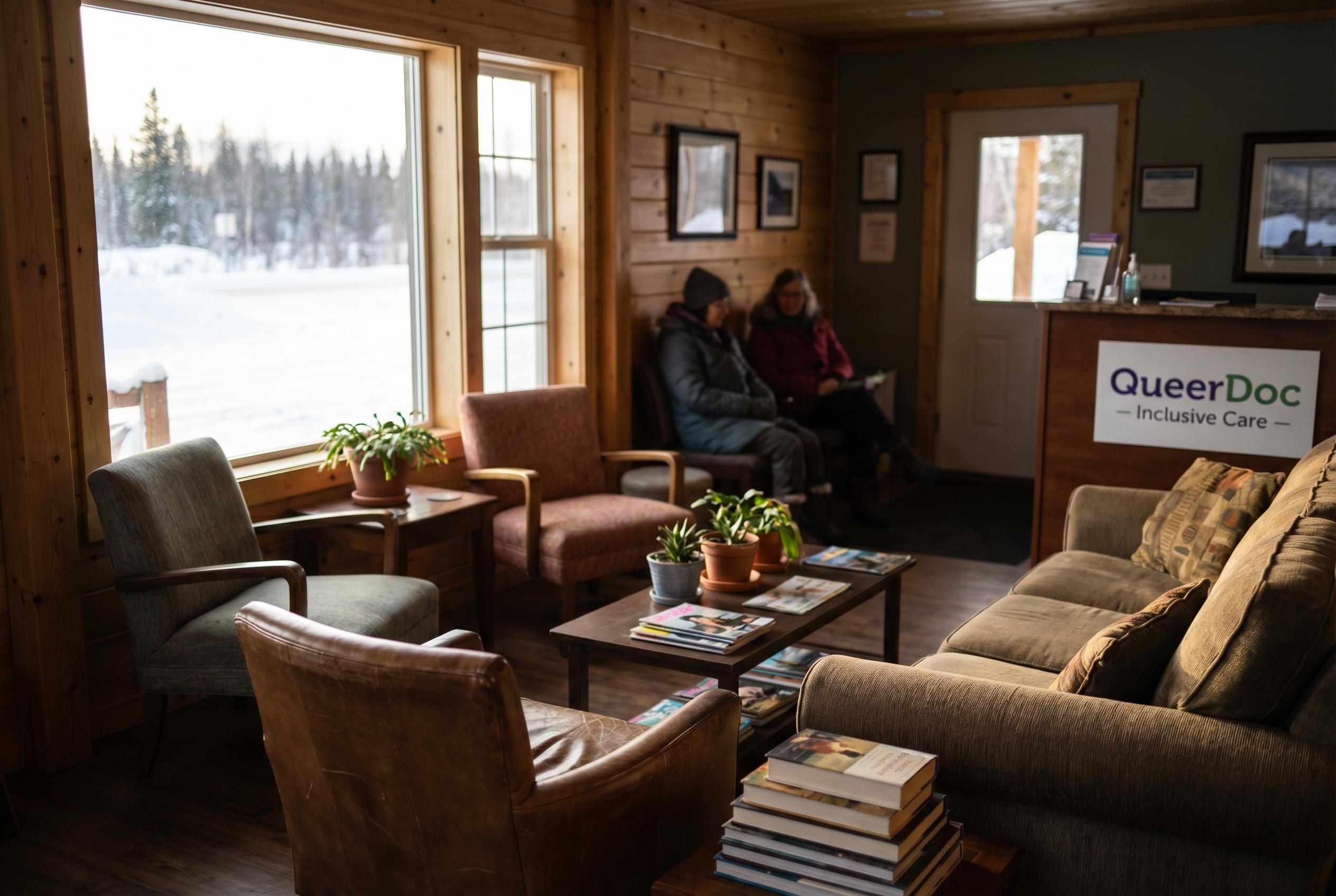
- Telehealth is available: Providers such as QueerDoc and other virtual clinics offer statewide care with often shorter wait times and sliding scale fees.
- Safety checks matter: Make sure lab monitoring, mental health supports, and prescription continuity are arranged, missed tests can cause risks.
- Community resources help: Local and national clinics, plus peer networks, can advise on providers, pharmacies and financial support.
Why the closure matters now , immediate risks and what you’ll feel
When a local gender-affirming clinic shuts, the effects are quick and personal: interrupted prescriptions, delayed blood tests, and a sudden spike in stress. Many will feel overwhelmed, and that’s understandable. According to local reporting, clinic closures in Alaska are part of a wider pattern that leaves medically underserved communities especially exposed. Practical steps, requesting records, documenting dosages, and securing a new appointment, calm the chaos and reduce medical risk.
How to preserve continuity: records, meds and monitoring
Start by requesting a complete copy of your medical records from Identity Alaska; those documents are your medical lifeline. Write down the names, dosages and timing of any hormones or other medications so a new clinician can pick up where care left off. If you have recent lab results, make copies or screenshots, those numbers speed up safe prescribing and monitoring with a new provider.
Telehealth options across Alaska , who to consider
Telehealth can be a fast route back into care without long travel or waits. Services that provide virtual gender-affirming care in Alaska include national and regional clinics that advertise telehealth for the state, offering adolescent and adult care. QueerDoc, for example, emphasises rapid appointments and sliding scale pricing, while other telehealth clinics and local community health organisations can help with mental health and lab coordination. Compare wait times, pricing and whether they require insurance or offer sliding scales.
Choosing the right new provider , what to check
Look for clinicians who practise evidence-based transgender medicine, offer trauma-informed care, and can arrange lab monitoring locally. Ask whether they accept new patients across Alaska, how soon you can be seen, and how prescriptions are handled with local pharmacies. If you rely on regular blood tests, make sure the new provider can order these and follow up on results. It helps to choose a team that explicitly centres trans and gender-diverse patients.
Practical tips to avoid gaps and manage stress
Book an orientation or a short intake call where offered, those 10–20 minute chats can clarify timelines and expectations. If prescriptions are about to run out, ask about emergency refills while waiting for a formal consultation. Reach out to community organisations and peer groups for emotional support and practical advice on local phlebotomy services or pharmacies that are trans-competent. And if costs are a concern, prioritise providers who publish sliding scales or have cash-pay options to avoid insurance barriers.
What the wider picture tells us , closures aren’t only local
This isn’t just an Alaska story; clinic closures are happening across the country for political, legal and financial reasons, and the impact is disproportionate in states with sparse medical infrastructure. Advocacy, telehealth expansion and local partnerships help fill some gaps, but community-led solutions and accessible virtual care remain critical to keeping people safe and supported.
It's a small change that can make every transition back to care steadier and safer.
Source Reference Map
Story idea inspired by: [1]
Sources by paragraph: