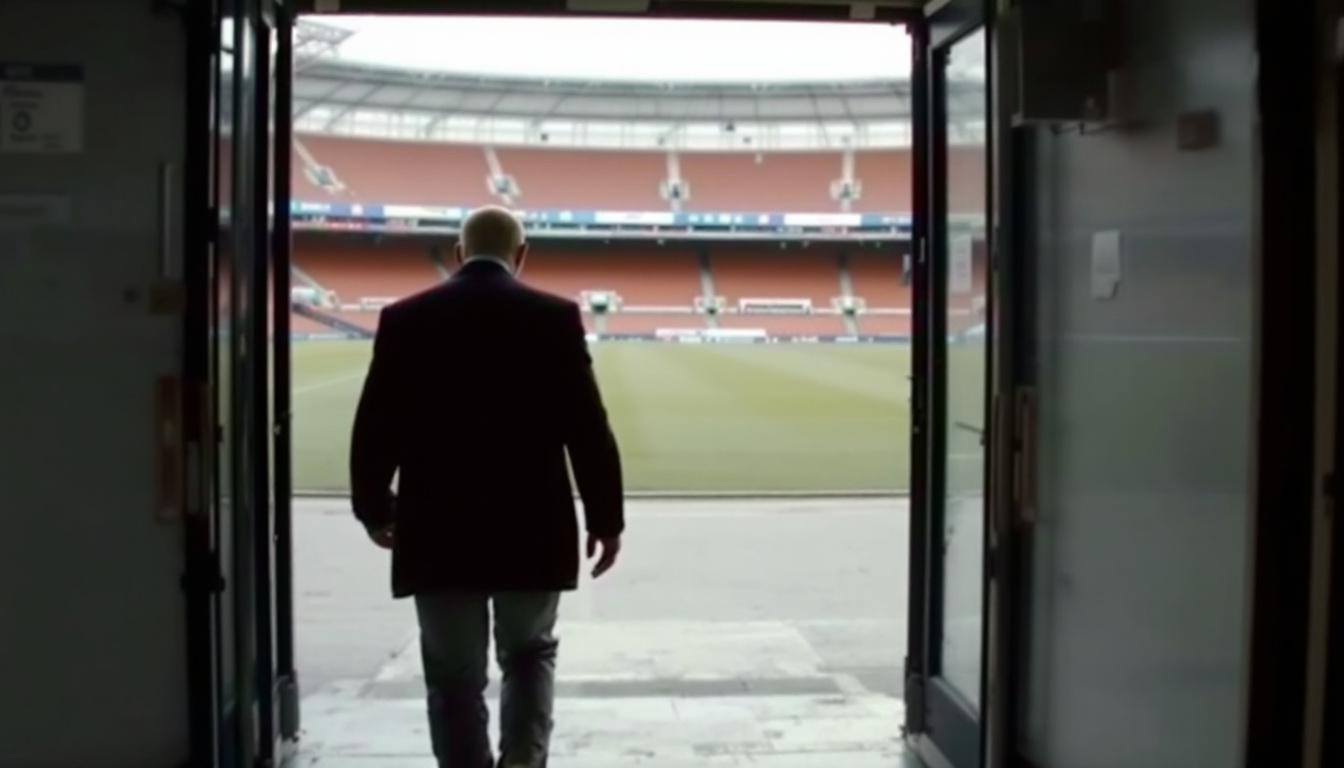
Spotlight Gareth Thomas and Grindr for Equality’s new Out in the Open series is shaking up a quiet crisis, bringing chemsex, addiction and mental health into view for UK LGBTQ+ people who say they need better support and less shame.
Essential Takeaways
- Stark figures: Research tied to the campaign finds one in five LGBTQ+ people in the UK have lost someone to a drug-related death, and 28% reported sex while using drugs in the past year.
- Widespread unfamiliarity: Around three in five UK adults don’t know what “chemsex” means, which deepens stigma and silence.
- Demand for care: Roughly 40% of LGBTQ+ respondents want improved access to addiction treatment, recovery and inclusive mental health services.
- Practical help: Grindr has updated in-app resources to signpost users to specialist support organisations and content across YouTube, Spotify and Apple Podcasts.
Why Gareth Thomas’ voice changes the conversation
Gareth Thomas brings a calm, familiar presence to a subject that’s often whispered about, not discussed, and that matters because people listen when a trusted figure speaks. The former Wales captain frames chemsex not as a moral failing but as a health and community issue, and his message is plain: breaking silence reduces shame and risk. Campaign spokespeople told audiences that honest conversations can lead to earlier help-seeking and fewer tragic outcomes.
What Out in the Open actually does and where to find it
Grindr for Equality’s Out in the Open pairs lived experience with expert insight in a short series that’s easy to access. Episodes feature partners such as You Are Loved, Switchboard and mental wellbeing apps, and they’re available via Grindr Presents and mainstream platforms including Grindr’s YouTube channel, Spotify and Apple Podcasts. The content is designed to be practical and human , not clinical , so users can hear personal stories and signposts to support in the same place they meet.
The data behind the urgency
The campaign’s research paints a worrying picture: many in the community have been touched by loss linked to drug use, while a sizeable minority have taken drugs in sexual contexts recently. Outside the community, most people still don’t recognise the term “chemsex,” which helps explain why conversations and services have lagged. That gap fuels isolation, and organisations argue it drives demand for specialist, culturally competent treatment and harm-reduction approaches tailored to queer lives.
Harm reduction and support , what actually helps
Experts in the series talk harm reduction over criminalisation: safer-use advice, access to non-judgemental counselling, and routes into addiction treatment that understand LGBTQ+ realities. Practical tips include using dose-limiting strategies, testing substances, setting boundaries with partners, and having a trusted contact for check-ins. Campaign partners are keen to normalise asking for help and to point users to services that respect identity and privacy.
Why this could shift public health and community care
Bringing chemsex into mainstream conversation reduces stigma and makes it easier to design better services. Campaigns like Out in the Open also nudge apps and platforms to offer clearer support links, which means help is closer to where people live their social and sexual lives. Looking ahead, advocates hope the series will prompt more inclusive NHS and third-sector provision and more open family and peer talks that can prevent harm.
It’s a small change that can make every conversation count.
Source Reference Map
Story idea inspired by: [1]
Sources by paragraph: