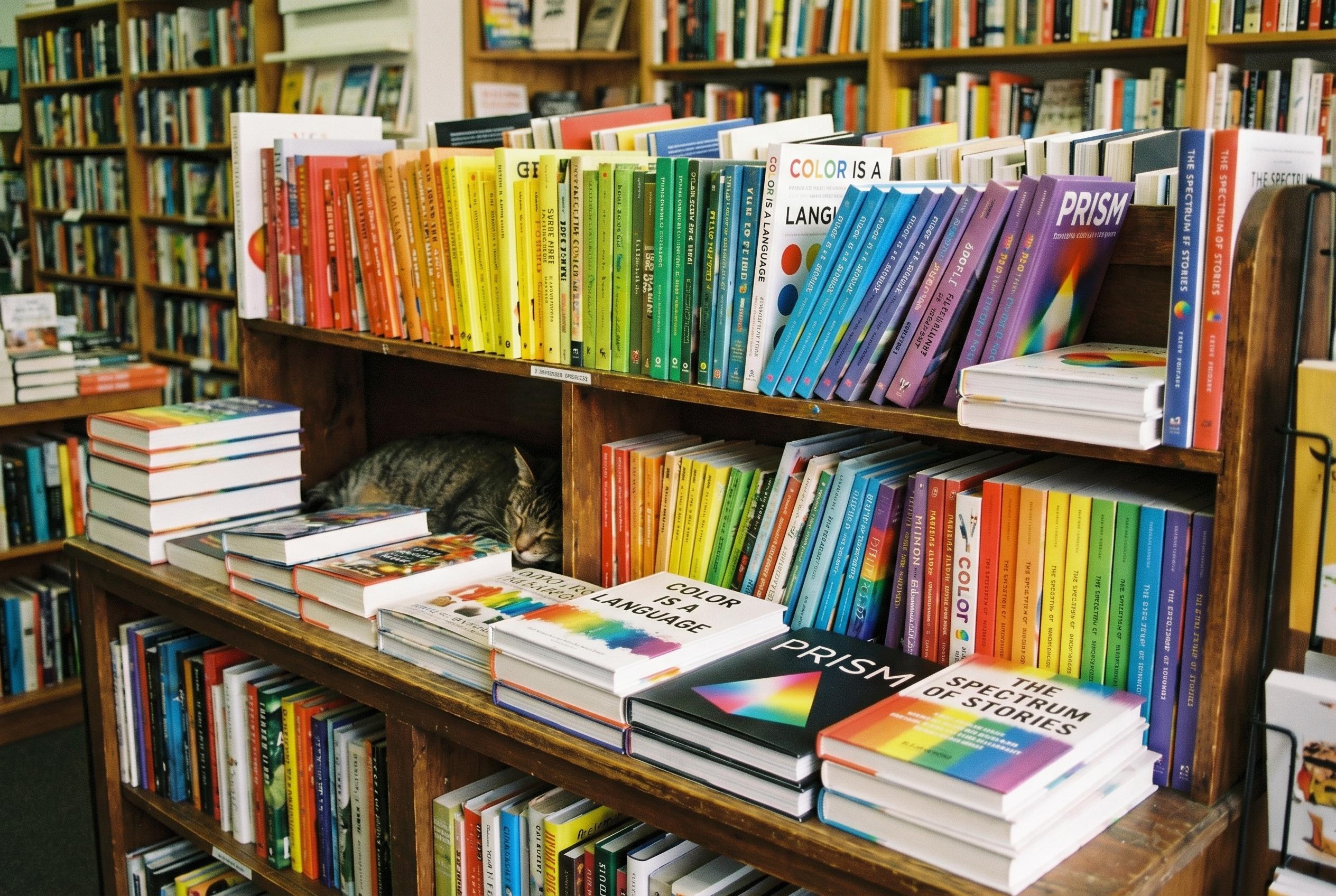
Shoppers are hunting for new queer YA beyond the usual five; booksellers and librarians in the UK and beyond are swapping tired paperbacks for 2025 debuts and recent bangers that hit harder, feel truer, and deserve face‑out display. Here’s how to stack a Pride shelf that guides readers by mood, not by acronym, and why the newest titles matter.
Essential Takeaways
- Fresh must‑reads: Queen Bees of Tybee County and Pride or Die are buzzy 2025 preorders to spotlight now.
- Shop by vibe: Group books by mood, rom‑com, gothic, SFF, poetry, because teens shop feelings, not letters.
- Practical display tip: Use discreet identity tags and content flags; rotate the display mid‑June to keep it alive.
- Diverse tones: The list ranges from sapphic space opera to trans necromancers, so there’s something for quiet readers and chaos fans alike.
- Shelf strategy: Mix new debuts with evergreen favourites so browsers find anchors and fresh discoveries together.
Why 2025’s queer YA feels different (and more urgent)
The strongest image from this season is that books hit you in the chest rather than just look pretty with a rainbow sticker; you can almost smell the Southern heat in Queen Bees of Tybee County and hear the chaotic crochet‑hook clack of Pride or Die’s found family. The wave of 2025 titles leans into messy, textured queer teen lives, drag pageants, small‑town sleuthing, and space opera mechanics, so stores can offer representation that’s specific and alive. According to coverage and roundups, these are the new conversation starters, not the tired summer staples.
Build a shelf by mood, not by letters
Teens want vibes: enemies‑to‑lovers, monsters in love, hockey angst, slow‑burn climbs, or a go‑for‑broke murder mystery. Grouping books by mood helps a shopper picturing an emotion spot a match, fast. Put rom‑coms like I’ll Pretend You’re Mine and Amelia, If Only together, then slide in a verse novel or two for texture. The practical win is clear, better browsing equals more checkouts.
Spotlight new drops without ditching the classics
You don’t have to retire the heavy hitters; pair Felix Ever After or Heartstopper with an eye‑catching preorder placard for Queen Bees or Pride or Die. New titles act like magnets; classics reassure hesitant buyers. Industry advice suggests mixing release dates and styles so the display reads like a living playlist rather than a museum cabinet. That keeps customers coming back mid‑month for the refreshed picks.
Labelling that respects privacy and safety
Label identities discreetly, tiny shelf talkers that say “bi,” “trans,” or “ace” work better than loud signage, because not every teen wants a public outing while they browse. Use content flags for triggers, brief notes such as “mentions self‑harm” or “on‑page sex”, and place them where parents and teens can see without spoilers. Librarians and booksellers report that this small courtesy builds trust and repeat visits.
Cross‑genre pairings that surprise and stick
Try horror beside rom‑com, or fantasy beside poetry; these juxtapositions create serendipity. A reader drawn to Strand’s Southern‑Gothic terror might pick up a sapphic romantasy next door and realise their taste is broader than they thought. The best outcomes happen when a hesitant browser stumbles into a title that looks like them, or makes them feel seen in a fresh way.
Quick merchandising moves that raise sales
Face‑out every preorder that has buzz; keep a “Staff Picks” shelf for fast, human recommendations; and swap half the display on a fortnightly cadence. Colourful covers sell, yes, but content notes and staff blurbs sell trust. And frankly, a glittery pageant sash on the table never hurts.
It's a small change that can make every queer reader find a shelf that feels like home.
Source Reference Map
Story idea inspired by: [1]
Sources by paragraph: