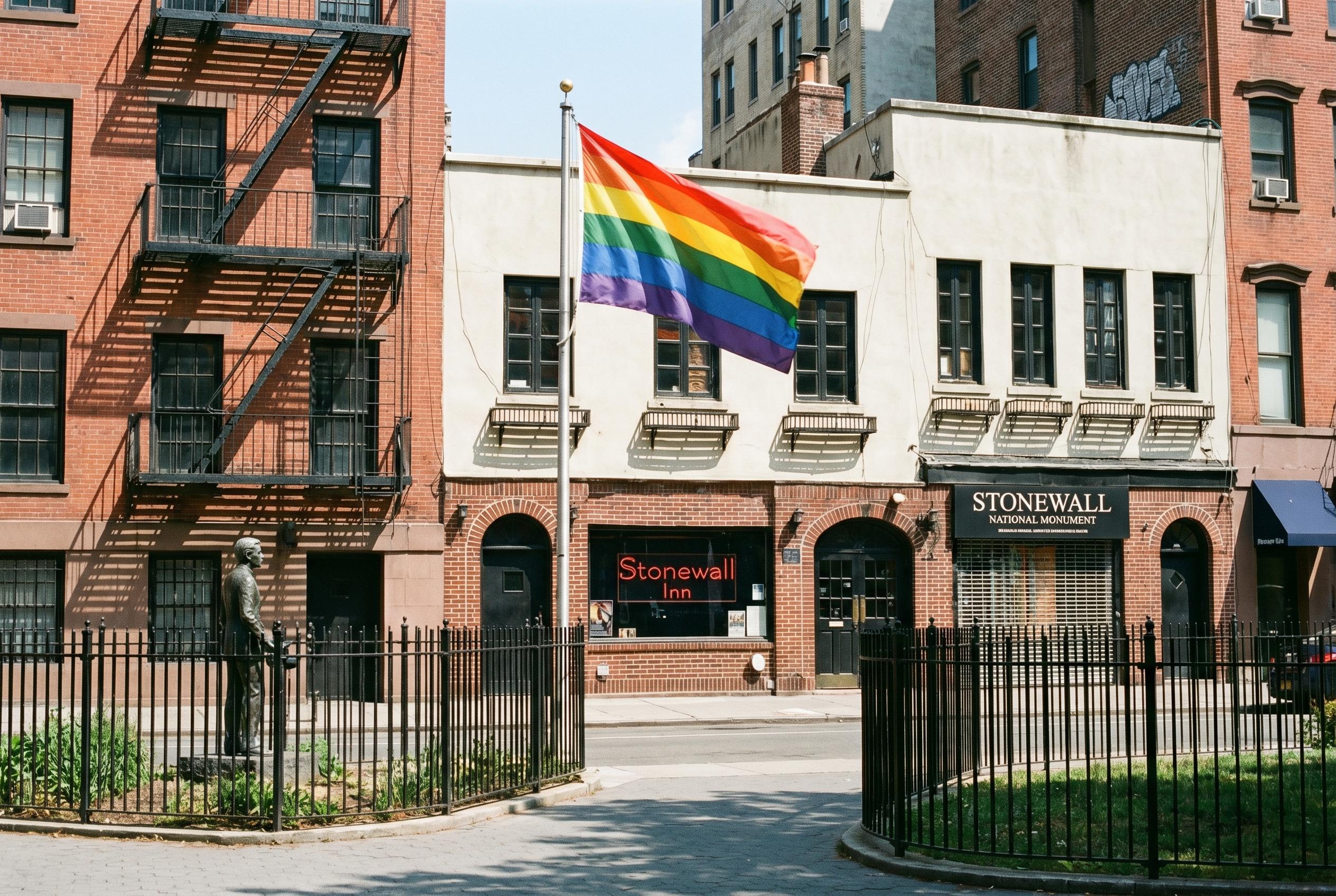
Celebrate the moment: advocates, historians and visitors are welcoming the decision to fly the pride flag again at New York’s Stonewall National Monument, a symbolic win for LGBTQ+ representation and a reminder that visible inclusion still matters.
Essential Takeaways
- Historic reinstatement: The National Park Service agreed to fly the pride flag again at Stonewall, alongside the American and Park Service flags, restoring a powerful visual symbol.
- Legal settlement: LGBTQ+ and preservation groups reached a settlement after a legal challenge over the flag's removal.
- Symbolic weight: The flag’s return renews Stonewall’s role as both memorial and active site of advocacy.
- Broader ripple effects: The move could encourage similar protections of inclusive symbols at public sites nationwide.
Why the flag mattered , and still does
The pride flag isn’t just fabric; it’s a sensory marker of welcome and struggle, its colours visible from the street and in photographs. According to accounts of the dispute, removing the flag sparked immediate concern among activists and historians who saw the absence as erasing an important piece of public memory. The Stonewall Inn and surrounding park already function as a living monument to the 1969 uprisings, so restoring the flag helps a new generation understand why the site matters. For visitors, that simple fluttering shape conveys affirmation and recognition in a way plaques sometimes can’t.
How the controversy unfolded
The dispute began when the rainbow flag was taken down from the site, prompting legal action from LGBTQ+ organisations and preservation advocates. Reporting details describe a legal process that ultimately produced a settlement requiring the National Park Service to reinstall the flag. The sequence of complaint, litigation and settlement underlines how contentious decisions about public symbolism can become when government policy, historic preservation and civil-rights claims collide. If you follow public-interest law, this case is now a clear example of how litigation can protect cultural meaning.
What historians and advocates are saying
Historians note that Stonewall’s designation as a national monument cemented its place in American memory, linking the physical site to the broader gay-rights movement. Commentators and advocacy groups framed the flag’s return as consistent with the site’s purpose: to commemorate the riots that sparked modern LGBTQ+ organising. Many advocates describe the outcome as validation , a visible acknowledgement that the monument represents living history, not just a past event boxed into a plaque. For campaigners, it’s also a reminder that visibility in public spaces remains a frontline of civil-rights work.
The wider implications for public symbols
The decision carries implications far beyond Manhattan. Public symbols shape collective consciousness, and this settlement signals that disputes over who is visible in civic spaces are likely to continue. Observers suggest the resolution could embolden similar efforts to ensure inclusive symbols remain at other sites, while also prompting agencies to adopt clearer policies about flag displays. For anyone involved in local campaigns, the Stonewall example offers a practical precedent: legal action can work, but so can steady public pressure and historic-interpretation arguments.
Practical takeaways for communities and visitors
If you’re part of a local preservation group, document the historic and contemporary significance of any site you want recognised , courts and agencies respond well to clear records. Visitors should also know that flags and symbols matter: taking a photo, sharing a story or signing petitions can make a difference. For those planning visits, expect the pride flag, the American flag and the Park Service flag to fly together, signalling both respect for history and present-day inclusion. It’s a small, visible change that can make the experience feel more welcoming to everyone.
It's a small change that can make every visit to Stonewall feel like an invitation to remember, learn and keep pushing for equality.
Source Reference Map
Story idea inspired by: [1]
Sources by paragraph: