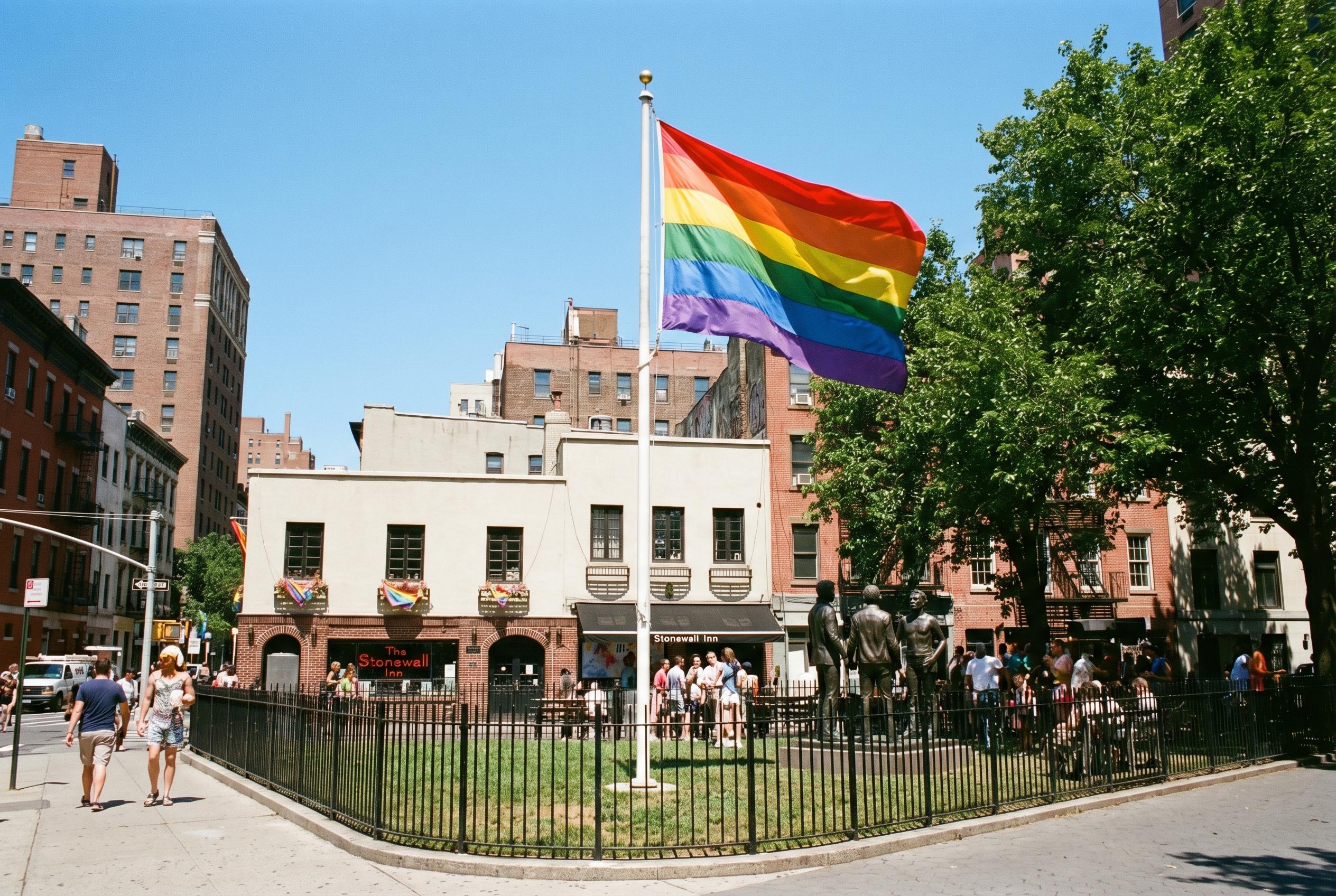
Celebrate the return: activists, the National Park Service and the federal government have agreed to hang a Pride flag again at the Stonewall National Monument in New York, a symbolic win for the queer community and a reminder of why public memory matters.
Essential takeaways
- Historic reinstatement: The Pride flag will be flown again at the Stonewall National Monument, placed between the US flag and the National Park Service flag.
- Legal catalyst: A coalition of LGBTQ+ groups sued under the Administrative Procedure Act after the flag was removed earlier this year.
- Ongoing pushback: The decision comes amid broader rollbacks on LGBTQ+ rights and visibility in parts of the US.
- Tangible gesture: Activists had already put their own flag back up after removal, giving the reinstallation a grassroots urgency.
- Practical detail: The National Park Service will hang the flag within days, restoring a visible symbol at a site central to queer history.
Why the Pride flag at Stonewall matters now
The image of a rainbow flying at Stonewall is more than decorative; it’s a visual shorthand for decades of activism, community and resilience, and that tactile flash of colour matters to people. According to reporting in major outlets, the flag’s return follows intensive legal and public pressure, so it reads as both a legal settlement and a civic reply to those who protested the removal. For many, seeing the flag back where it belongs will feel quietly restorative.
How the removal sparked a lawsuit and national attention
The flag was taken down earlier this year, prompting a lawsuit from organisations including the Gilbert Baker Foundation, Equality New York and Village Preservation. Those groups argued that the Interior Department violated procedural rules when it ignored a policy permitting flags that provide historical context at national monuments. News coverage shows the reinstallation came as part of an agreement with the National Park Service, signalling that legal pressure and public outcry can still shift federal action.
The bigger picture: visibility versus policy rollbacks
This small victory sits against a larger landscape of restrictions targeting LGBTQ+ people across the US. States have recently moved to limit legal gender-marker changes and bar Pride displays on government property, and the federal level has seen changes to materials and agreements that once protected queer youth in schools. The Stonewall reflagging doesn’t erase those rollbacks, but it does underscore how symbolic acts of recognition still carry political and cultural weight.
What this means for Stonewall’s history and visitors
Stonewall has long been central to modern LGBTQ+ memory; its monument status was established under President Obama and the Pride flag became a regular feature soon after. Restoring the flag officially re-affirms the site’s role in public history and gives visitors a clear signal of whose stories are being told. If you’re planning a visit, expect the flag to be visible alongside the national colours , a small but potent reminder that monuments reflect who we choose to honour.
Practical takeaway for activists and allies
Symbols matter, but so does sustained action. The reinstallation shows that legal strategies, coalition organising and local activism can converge to change outcomes. If you want to support visibility where you live, consider practical steps: back local preservation groups, volunteer with advocacy organisations, and push for clear policies that protect inclusive historical interpretation in public spaces.
It's a small victory with a big echo: symbols like the Stonewall Pride flag help keep a community’s history in public view.
Source Reference Map
Story idea inspired by: [1]
Sources by paragraph: