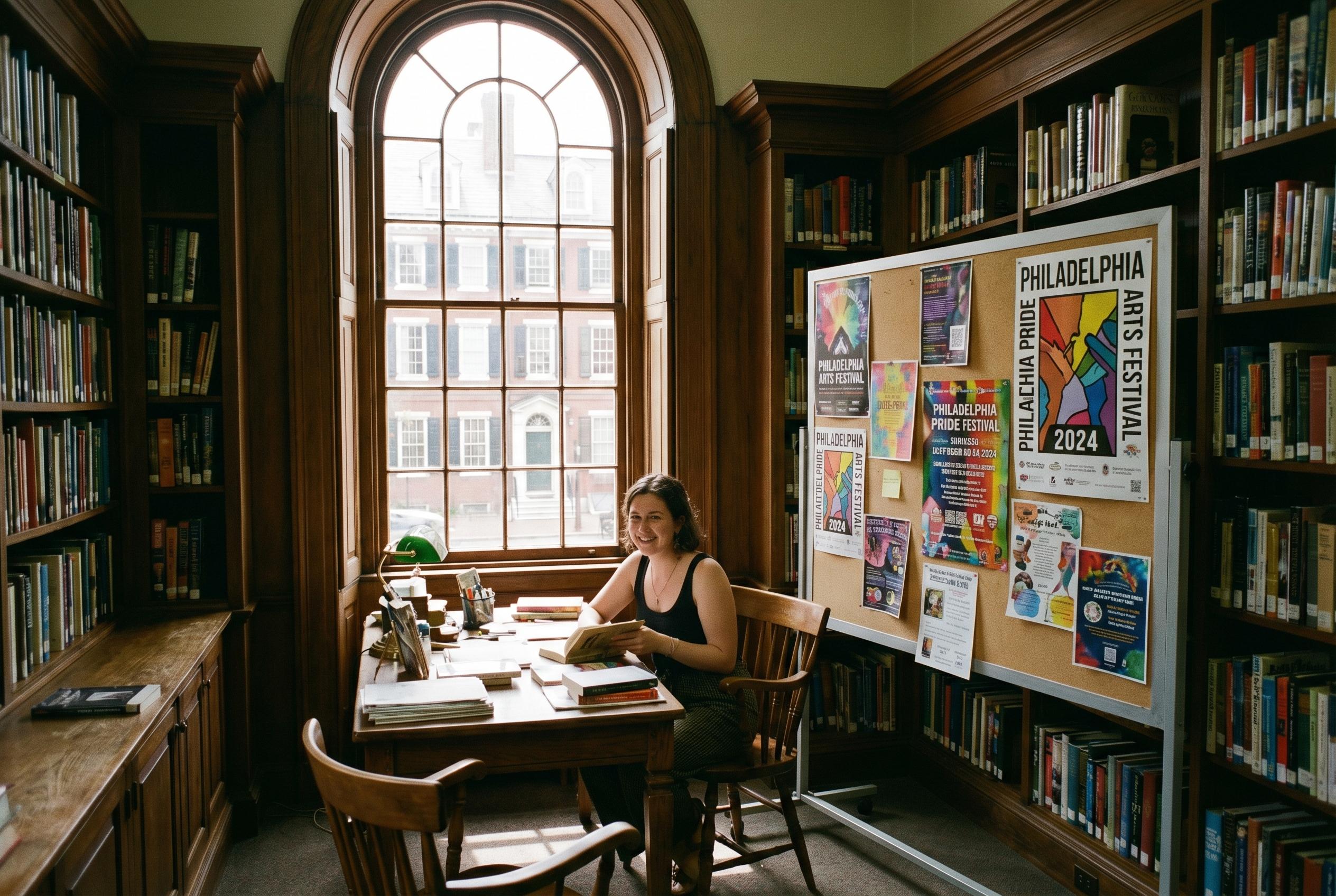
Bursting onto the calendar this June, Philly PrideAF is a month-long, citywide celebration of queer artists , musicians, choirs, opera, drag and theatre , and it’s a reminder that community-driven Pride programming can be joyful, creative and rooted in local voices. Here’s what to watch, where to go, and why this festival matters for Philadelphia’s cultural scene.
Essential Takeaways
- Who’s behind it: Six grassroots arts groups teamed up , Altissimo Arts, Cross Keys Theatre Collective, East Passyunk Opera Project (ePOP), Liberty City Arts, Prismatic Arts Ensemble, and Wear Yellow Proudly. They’re pooling talent and venues across the city.
- What to expect: A mix of concerts, cabarets and theatre, including “Memoirs of a Gaysian,” “Opera is a DRAG!” and a Shakesqueer drag cabaret , performances that feel vibrant and intimate rather than corporate.
- Atmosphere: Events promise a community-first vibe: accessible, celebratory and often experimental, with a mix of established and emerging queer artists.
- Practical note: Programming runs throughout June; check dates and seating for ticketed shows as well as free pop-up events across neighbourhoods.
- Why it matters: Philly PrideAF responds to shifts in how Pride is funded and produced, prioritising grassroots infrastructure and visibility for small arts groups.
A community-made festival with a lively, local feel
This is Pride that leans into small-scale magic , think singers warming up in a snug venue, drag performers riffing off the room, and local composers getting a shot at the spotlight. Organisers describe Philly PrideAF as an “Arts UN” of sorts: a coalition of groups each bringing their own audience and sensibility. The result is a patchwork of performances that feels handmade rather than corporate-curated, and that’s part of its appeal. For audience members, expect the kind of immediate, human experience mass-produced festivals often lose.
Highlights you shouldn’t miss , shows that mix queer history and fresh voices
Standout events include Memoirs of a Gaysian, a night exploring queer-Asian experience that blends song and storytelling, and Opera is a DRAG!, which toys with opera’s grand gestures and drag’s theatricality. There’s also a Shakesqueer drag cabaret that reimagines Bardic classics through queer performance. These programmes show how the festival is leaning on cross-genre playfulness , and that’s a smart way to broaden appeal while centring queer narratives. If you like surprises, book early for ticketed nights and be ready to linger after for chat and community.
Why this festival matters in the current Pride landscape
In recent years Philadelphia’s Pride calendar has shifted: big corporate banners have become less dominant and funding for LGBTQ+ events has tightened. So a festival built from the ground up by local arts organisations isn’t just cultural theatre , it’s a response to changing funding and a conscious move to rebuild infrastructure for queer creative work. Organisers say the festival is about collaboration, visibility and mutual support; in practice, that means local venues and small companies get to share audiences and resources, which can help sustain them long after June ends.
How to plan your PrideAF weekend , tips for the best experience
First, map the dates: shows are spread across June, so pick a cluster that fits your schedule and energy. Second, consider venue size and accessibility , smaller theatres offer intimacy but may have limited seating and fewer accessibility features. Third, buy tickets in advance for headline nights like the opera/drag mash-up; for pop-ups, turn up early. Finally, treat it as social time: these events are built for conversation, so linger for post-show bar chats or community tables. Bring cash in small amounts for merch and tips; it keeps money circulating to the artists.
Looking ahead: building a sustainable queer arts scene in Philly
Philly PrideAF isn’t just a one-off celebration , organisers frame it as part of building longer-term support networks for queer artists. By pooling programming and sharing promotion, these groups are experimenting with a cooperative model that could make future seasons more resilient. For local audiences, that’s good news: you’ll see more diverse work, and the relationships formed this June could mean a steadier pipeline of queer shows in years to come. It’s a quietly ambitious approach that feels fitting for a city that values grassroots culture.
It's a small change that can make every performance feel like a shared celebration.
Source Reference Map
Story idea inspired by: [1]
Sources by paragraph: