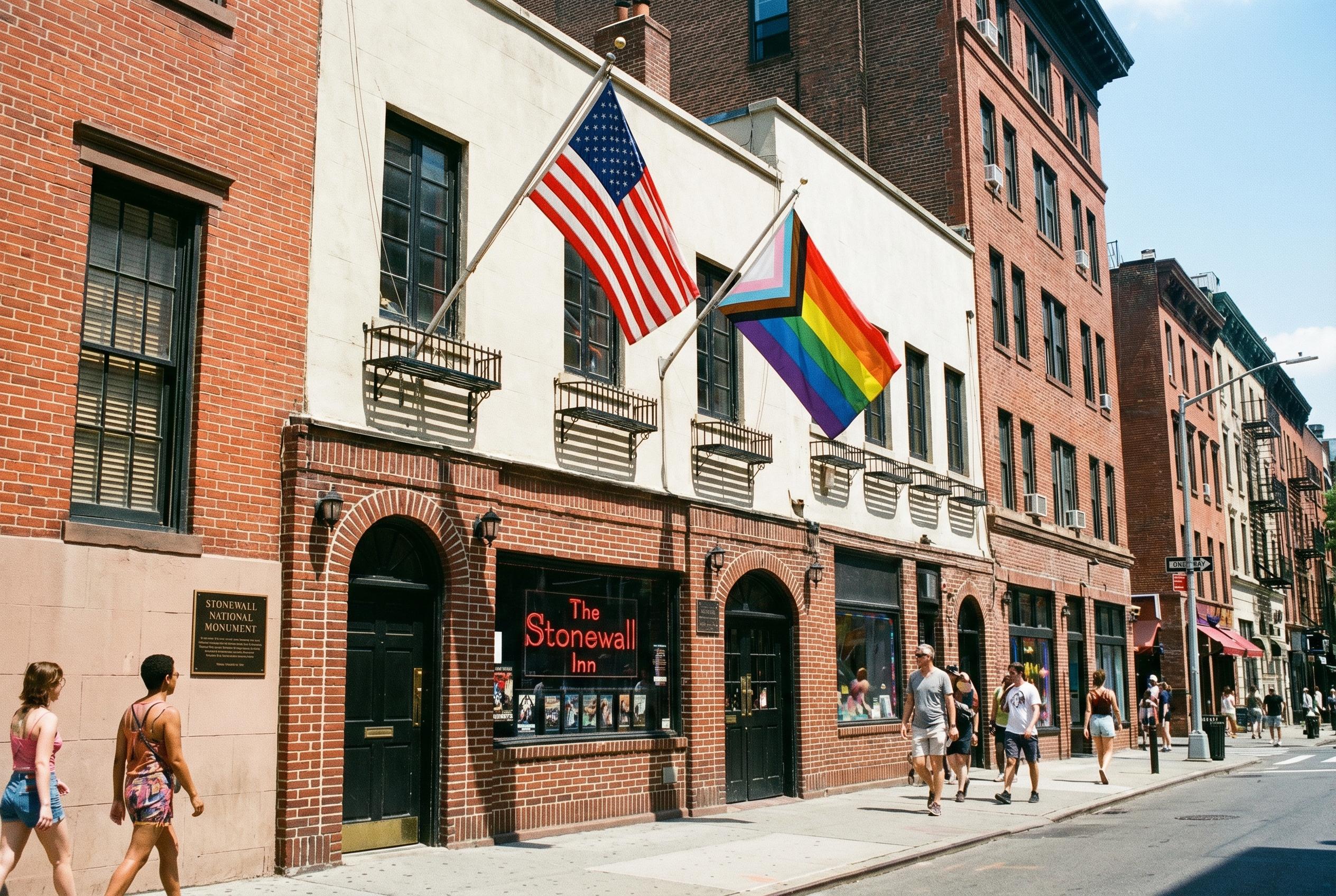
Shoppers for rights, activists and officials breathed a sigh of relief this week as the Pride flag was allowed to remain flying at the Stonewall National Monument in New York City, after the Trump administration agreed to a court settlement; it matters because the rainbow banner is central to the site’s identity and the memory of the 1969 uprising.
Essential Takeaways
- Settlement reached: The federal government agreed to a court settlement keeping the Pride flag at Stonewall, ending months of legal fight and controversy.
- Historic symbolism preserved: The rainbow flag will continue to fly beside the American flag at the Manhattan site tied to the start of the modern LGBTQ rights movement.
- Removal sparked backlash: The flag’s February removal under a directive limiting non-government banners prompted immediate protests from LGBTQ groups and New York officials.
- National Park Service policy questioned: What began as a standardisation effort became a flashpoint about whose histories are displayed at federal sites.
- Emotional resonance: For many visitors and residents the flag’s presence is a tactile reminder of activism, memory and community , it’s visible, emotional and political.
A clear win for activists , why the flag matters now
The strongest detail here is simple: the settlement means the rainbow banner stays where people expect to see it, and that feels important. According to the Washington Post, the decision closes a tense chapter that began when a federal directive prompted removal of non-government flags from national park sites. For those who visit Stonewall, the flag is not decoration , it’s a living emblem of protest and progress, and its return restores a sense of place and history.
How the dispute unfolded and why it blew up
The flap started in February, when officials removed the Pride flag as part of a policy meant to standardise displays across National Park Service locations, PBS NewsHour and The Guardian reported. That move provoked immediate backlash from local leaders and LGBTQ advocates who said Stonewall, sitting beside the Stonewall Inn, is the birthplace of the modern movement and deserved special consideration. The controversy quickly moved from social media outrage to a legal challenge.
The legal angle , settlement, not a broad policy shift
This wasn’t a single photo-op battle but a court fight that produced a settlement, according to AP and ABC News. Federal officials conceded in court, effectively carving out a permanent place for the Pride flag at the monument. That’s narrower than changing the park service’s entire flag policy, but it’s significant: a legal acknowledgement that some sites carry unique cultural claims that federal rules need to respect.
What this means for National Park Service displays
Observers have noted this episode raises larger questions about how the National Park Service balances uniform rules with local history. The original directive was pitched as a way to standardise and reduce ambiguity, but critics argued it flattened out differences that matter , like Stonewall’s role in 1969. Expect more debates about which symbols belong at which sites, and whether case-by-case carve-outs become the norm, The Guardian and Washington Post suggest.
Practical takeaway for visitors and communities
If you plan to visit Stonewall, the rainbow flag will still be there as a visual cue of the protest that began on Christopher Street more than fifty years ago. For community organisers and historic-site managers elsewhere, this is a reminder to document why local symbols matter and to be ready to contest top-down policies when necessary. The ruling shows that persistence, public pressure and legal action can preserve memory in public spaces.
It's a small preservation that keeps a big story visible.
Source Reference Map
Story idea inspired by: [1]
Sources by paragraph: