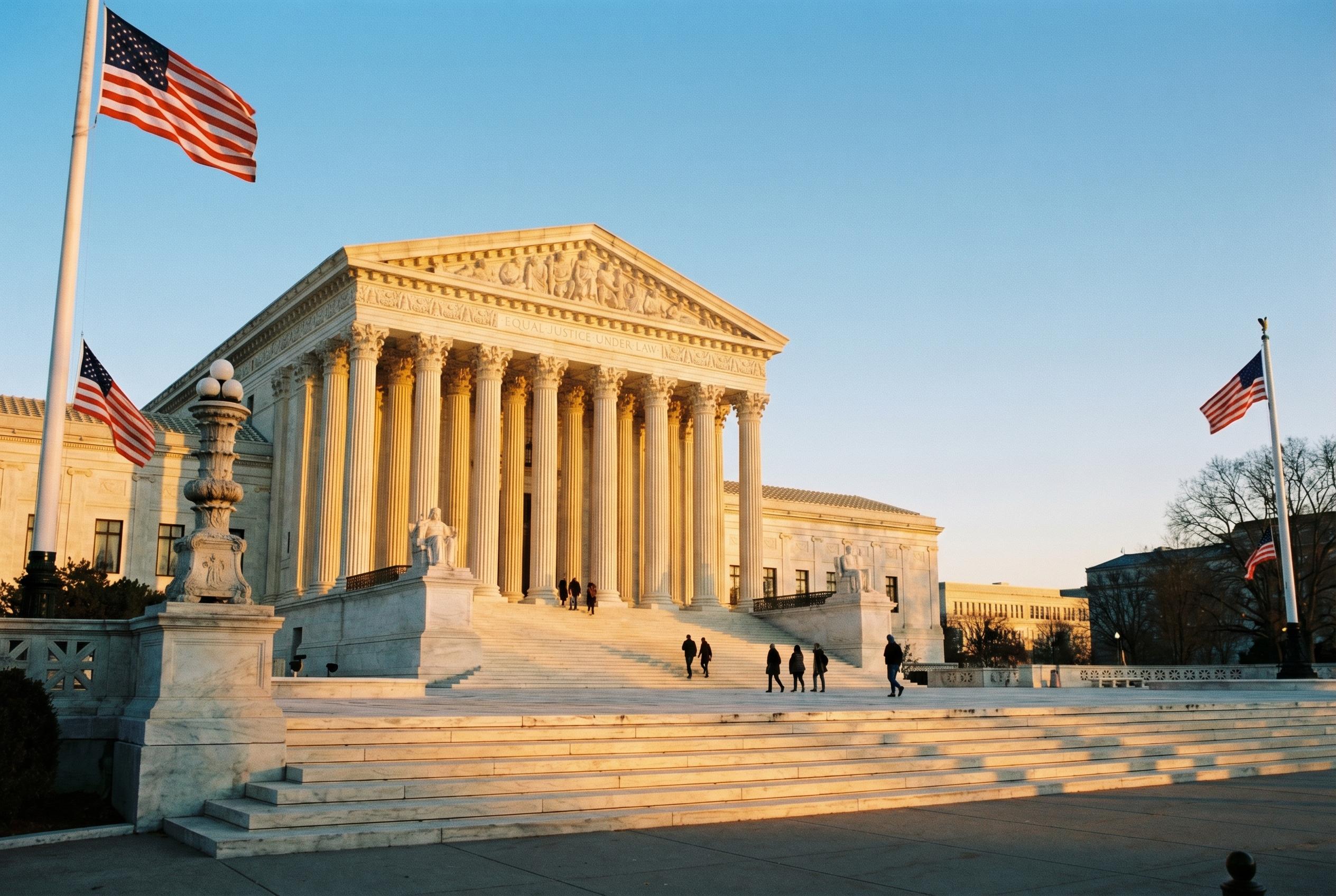
Shoppers for justice and parents alike are watching as a recent Supreme Court decision has reignited debate over conversion therapy bans, siding with a free-speech challenge to Colorado’s law and sending the case back for further review , a development that could reshape similar laws in other states.
Essential Takeaways
- Supreme Court ruling: An 8–1 decision found talk-based conversion therapy bans may implicate free speech, remanding the Colorado case to state court for more analysis.
- Narrow focus: The ruling targeted talk-based therapies by licensed counsellors, not physical or coercive practices like electric shocks.
- Medical consensus: Major medical bodies, including the American Psychological Association and American Medical Association, continue to oppose conversion therapy on health grounds.
- Local impact: States with existing bans , including Virginia and Colorado , may see renewed legal challenges and uncertain enforcement while courts sort it out.
- Emotional stakes: Survivors, LGBTQ+ advocates, religious providers and families describe the issue in starkly different terms, from harm prevention to free-speech protection.
Why the Supreme Court’s 8–1 decision matters now
The court’s decision put speech rights at the heart of the debate, and that matters because many states framed their bans as professional regulation rather than pure speech restriction. The majority opinion emphasised that when a law targets talk-based counselling, courts must consider First Amendment protections. That’s a sharp pivot lawmakers didn’t fully expect, and it leaves state bans vulnerable to fresh constitutional scrutiny. For parents and clinicians, that creates real uncertainty: rules that once looked settled are suddenly up for legal second-guessing.
What the ruling actually did , and didn’t , change
The decision didn’t legalise all forms of conversion therapy. It focused squarely on counselling that uses words and dialogue, not physically coercive or abusive measures. Justice Neil Gorsuch’s opinion framed the issue as viewpoint-based censorship when therapy speech is banned outright. Still, Justice Ketanji Brown Jackson’s dissent reminded readers that licensed professionals offer regulated health services, which states normally can oversee. So the picture is complicated: talk-based bans face a higher constitutional hurdle, but states retain tools to protect minors’ health if courts allow regulation that’s carefully tailored.
How medical and advocacy groups are reacting
Medical bodies have been unequivocal: conversion therapy is harmful, linked to higher rates of depression, anxiety and suicidal thoughts. The American Psychological Association and the American Medical Association continue to warn against the practice, while LGBTQ+ advocates call the ruling a setback for protections designed to shield young people from psychological harm. At the same time, some conservative legal groups and faith-based advocates hailed the decision as a victory for speech and religious expression. Expect a chorus of legal challenges and public messaging on both sides in the weeks ahead.
What this means for state laws , Virginia, Colorado and beyond
States that passed bans mirroring Colorado’s language may have to revisit how those statutes are written and defended in court. In Virginia, for instance, therapists who challenged the state ban already scored a favourable ruling last year; the Supreme Court’s opinion gives those challengers more momentum. Lawmakers could respond by narrowing bans to focus on coercive or deceptive practices, or by bolstering patient-safety rationales to meet constitutional review. Practically, families and clinicians should watch for injunctions or new court rulings that affect whether bans remain enforced.
Practical advice for parents, therapists and policymakers
If you’re a parent, ask questions about what any counselling will involve, who’s providing it and whether it’s evidence-based mental-health care. Therapists should review ethics rules and licensing guidance, and consult legal counsel if they offer faith-based or talk-focused interventions to minors. Policymakers aiming to protect young people might draft laws that target coercion and harm rather than speech alone, and build in clear safety standards that courts can evaluate under constitutional tests. Transparency and documentation are simple, immediate steps everyone can take.
It’s a charged issue with real human costs and legal complexity; keep listening, checking trusted medical guidance, and watching how state courts interpret the Supreme Court’s message.
Source Reference Map
Story idea inspired by: [1]
Sources by paragraph: