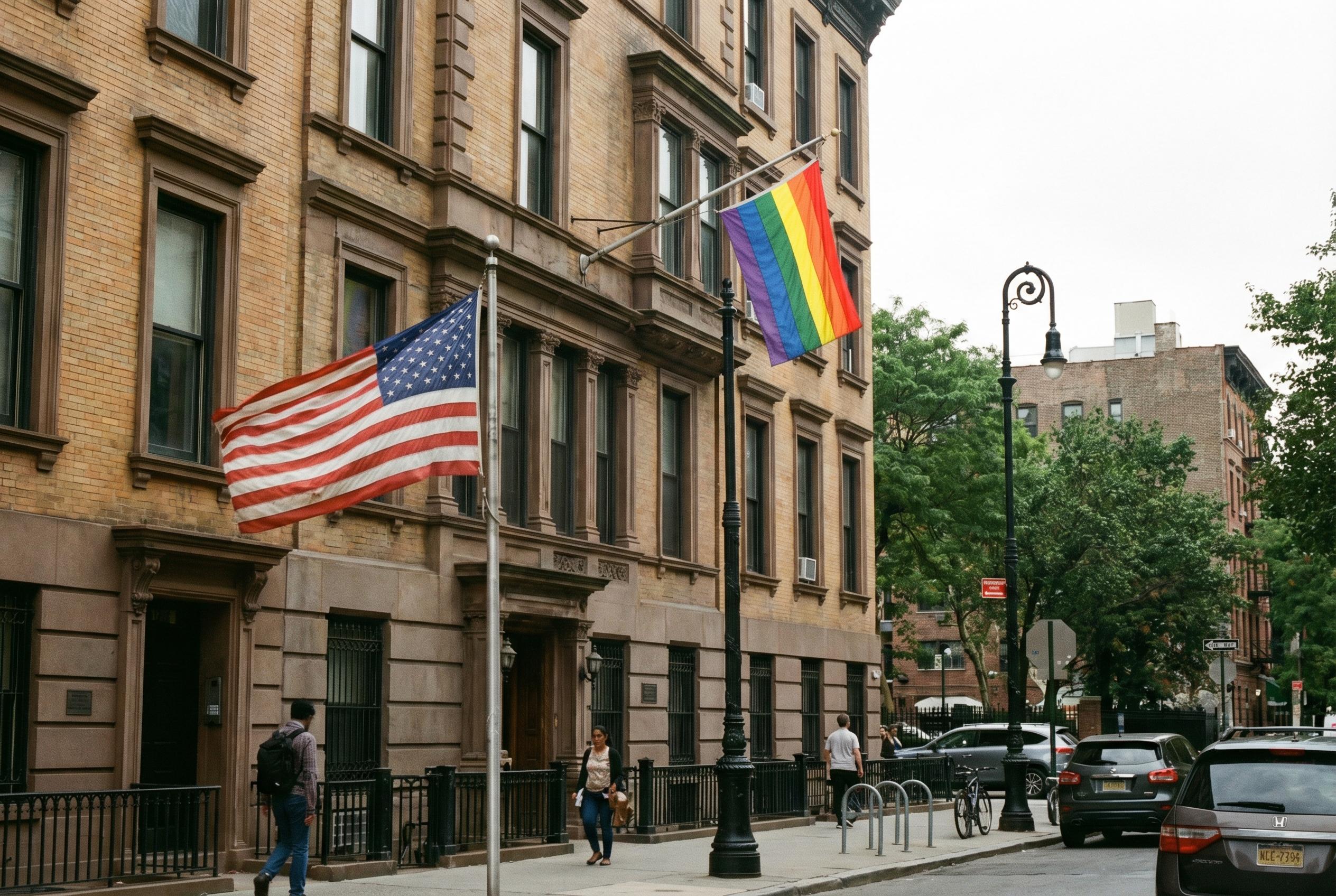
Shoppers are turning their eyes to a symbolic reversal: the rainbow Pride flag will fly again over Stonewall National Monument in New York, after the Trump administration agreed to restore it following backlash, legal action and community protests, an important win for LGBTQ+ history and public memory.
Essential Takeaways
- Flag restored: The Pride flag will fly on Stonewall’s main flagpole alongside the US and National Park Service flags.
- Legal settlement: A lawsuit by LGBTQ+ and preservation groups prompted an agreement to return the flag indefinitely, barring maintenance needs.
- Historic site protected: Stonewall, widely seen as the birthplace of the modern LGBTQ+ rights movement, retains an active symbol of queer resistance.
- Local reaction: New York officials celebrated the move as a defence of history and community memory.
- Practical note: The flag may be removed only for routine reasons such as repairs or weather.
Why this matters: more than a piece of cloth
The strongest fact here is simple and emotional, the rainbow returning to Stonewall is a visible redress. The flag sits at the intersection of memory and identity, and for many visitors its presence is quietly moving, even solemn. According to reporting, the decision to restore the flag followed weeks of protests and legal pressure, and it restores a public acknowledgement of a struggle that began with the 1969 uprising in Greenwich Village. For anyone who cares about public history, this isn’t trivia; it’s an affirmation that contested sites can reflect the people whose lives shaped them.
How the removal unfolded and why it sparked outrage
The removal earlier this year was framed by the administration as adherence to internal banner rules for federal flagpoles. But critics from across the political spectrum saw it differently, arguing that taking down the Pride flag amounted to erasing queer history at one of the movement’s key landmarks. Media outlets reported on immediate backlash from activists, historians and city officials, who called the act a deliberate affront to community memory. The controversy fed into a broader narrative about how federal policies treat LGBTQ+ inclusion at public sites.
The lawsuit that turned the tide
Litigation drove the reversal. LGBTQ+ advocacy groups and historic preservation bodies filed a suit asserting that the Pride flag is essential to interpreting Stonewall’s history and public meaning. The settlement reached this week requires the federal government to keep the flag flying indefinitely, except for routine maintenance or weather-related reasons. Legal pressure has a way of clarifying stakes: when history and law collide, community groups can sometimes force institutions to reckon with symbolic and substantive responsibilities.
What it means for Stonewall and public memory
Stonewall has been officially designated a national monument since 2016, and the restored flag symbolically folds LGBTQ+ narratives into the national story. New York’s mayor described the decision as a victory not just for the queer community but for the city itself, a reminder that collective memory isn’t easily rewritten. Visitors will now see the three flags together, which both normalises queer visibility and preserves the site’s role as a living memorial. Expect renewed attention from tourists, school groups and activists, symbols tend to draw crowds.
Practical takeaway for activists and visitors
If you care about public history, this episode offers a few takeaways: document changes at historic sites, support local preservation groups, and use legal avenues when necessary. For visitors, the flag’s return makes Stonewall an easier place to bring friends or family wanting to learn about queer history, the visual cue helps start conversations. And for communities watching other sites, the settlement is a reminder that civic pressure combined with legal action can produce concrete results.
It's a small change that can make every visit to Stonewall feel a little more complete.
Source Reference Map
Story idea inspired by: [1]
Sources by paragraph: