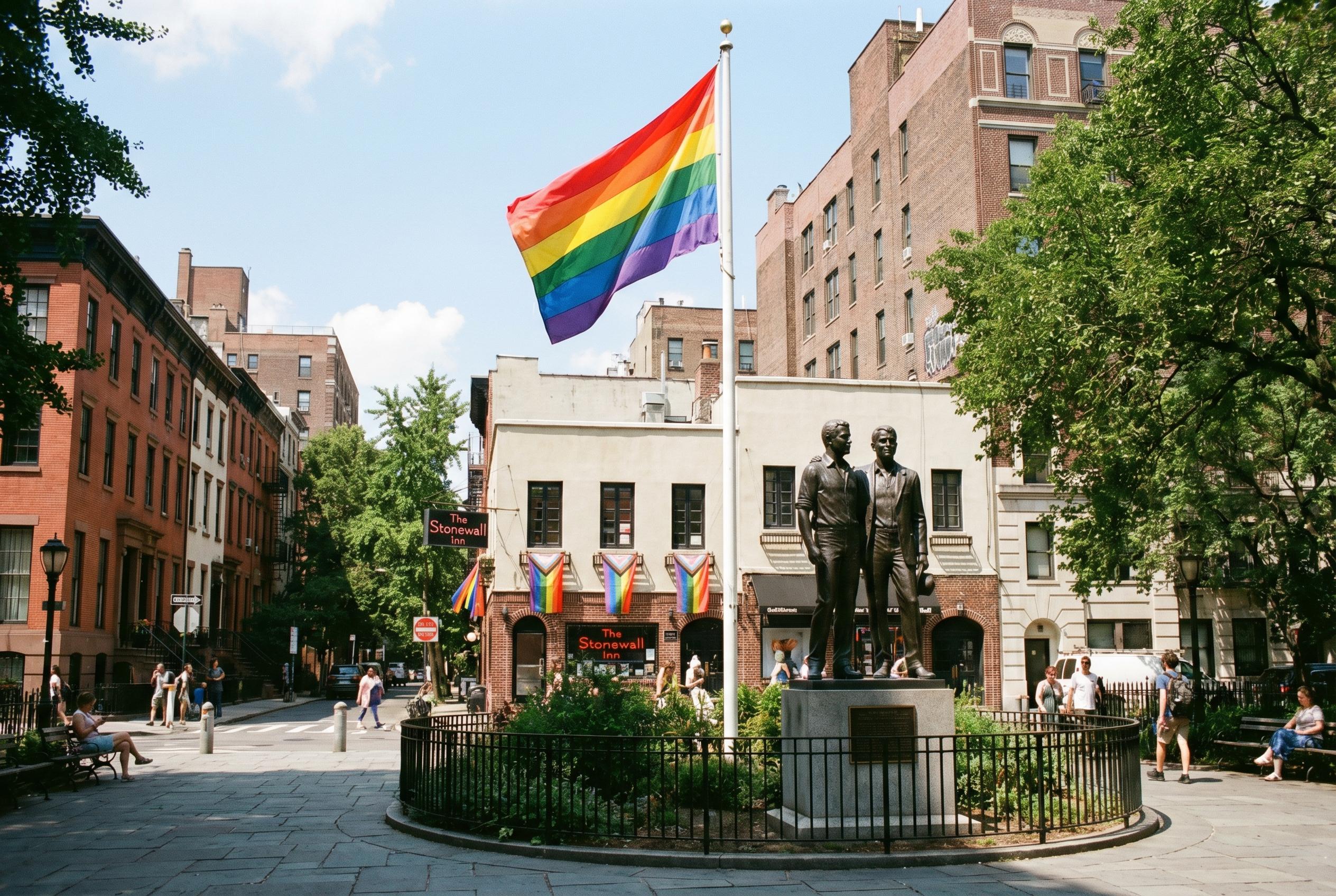
Watchers noticed a quick policy U‑turn this week as the federal government agreed to keep the rainbow flag flying at New York’s Stonewall National Monument, after LGBTQ+ and preservation groups sued to stop its removal , a small but symbolic win that matters to visitors, historians and activists alike.
Essential Takeaways
- Legal settlement: The administration agreed to settle a lawsuit brought by LGBTQ+ and historic preservation organisations, pausing plans to remove the flag.
- Judge must approve: A federal judge still needs to sign off on the settlement for it to take effect.
- Historic setting: Stonewall National Monument sits opposite the Stonewall Inn, a site widely regarded as central to the 1969 gay rights uprising.
- Public reaction: Advocates hailed the outcome as a protective move for queer heritage, while critics saw it as political theatre.
- Visual impact: The flag is a clear, colourful marker for visitors and a rallying symbol for community memory and recognition.
What changed, and why the flag matters so much
The headline fact is simple: after a public spat over the rainbow flag, officials have agreed to keep it flying at Stonewall. Visitors sensing gravity and colour on the site noticed an immediate difference; the flag is loud and visible against the memorial’s stone and city skyline. According to AP reporting, the settlement ends the administration’s February order to remove the flag while the lawsuit plays out. For many, the flag isn’t decoration , it’s a living marker of a movement and a place where people still come to remember and reflect.
How the legal fight unfolded
This isn’t just a quarrel over cloth and a flagpole. LGBTQ+ groups and historic preservationists sued to block removal, arguing that the symbol has historical significance at the monument, and they sought a legal remedy. Reuters and other outlets have tracked the federal response: rather than press ahead, the administration cut a deal to settle, subject to judicial approval. That procedural step keeps the matter in the courts for now, but it pauses an immediate change that would have been visible to anyone visiting the site.
Politics, preservation and public symbolism
You can’t separate the flag from politics, and plenty of commentators picked up on that. The Guardian and Washington Post noted how the episode folded into broader debates about federal policy, symbolic gestures and cultural memory. For critics the reversal looks performative, for supporters it’s a protective act for queer heritage. Either way, the spectacle of a national administration negotiating what flies over a historic site underlines how symbols can shape public conversation.
What it means for visitors and local communities
If you’re planning a visit, know that the rainbow flag remains a clear visual cue at Stonewall , a tiny, bright reassurance that the site’s queer history is being publicly recognised. PBS and ABC News highlighted local community responses: many activists described relief, saying the flag helps people, especially young visitors, feel seen. For historians, preservationists and tourists, the settlement buys time to discuss what commemoration should look like without a rushed policy change.
How to read the outcome and what comes next
The settlement is a pause, not an absolute win: a judge must still approve the deal, and future administrations could revisit the issue. Media coverage suggests the immediate tension has eased, but the underlying questions about whose stories get honoured on public land remain alive. Expect more coverage while the courts consider the settlement and activists push for longer‑term protections for queer historic sites.
It's a small policy moment with outsized symbolic weight , the kind of civic detail that tells you a lot about how a society chooses to remember.
Source Reference Map
Story idea inspired by: [1]
Sources by paragraph: