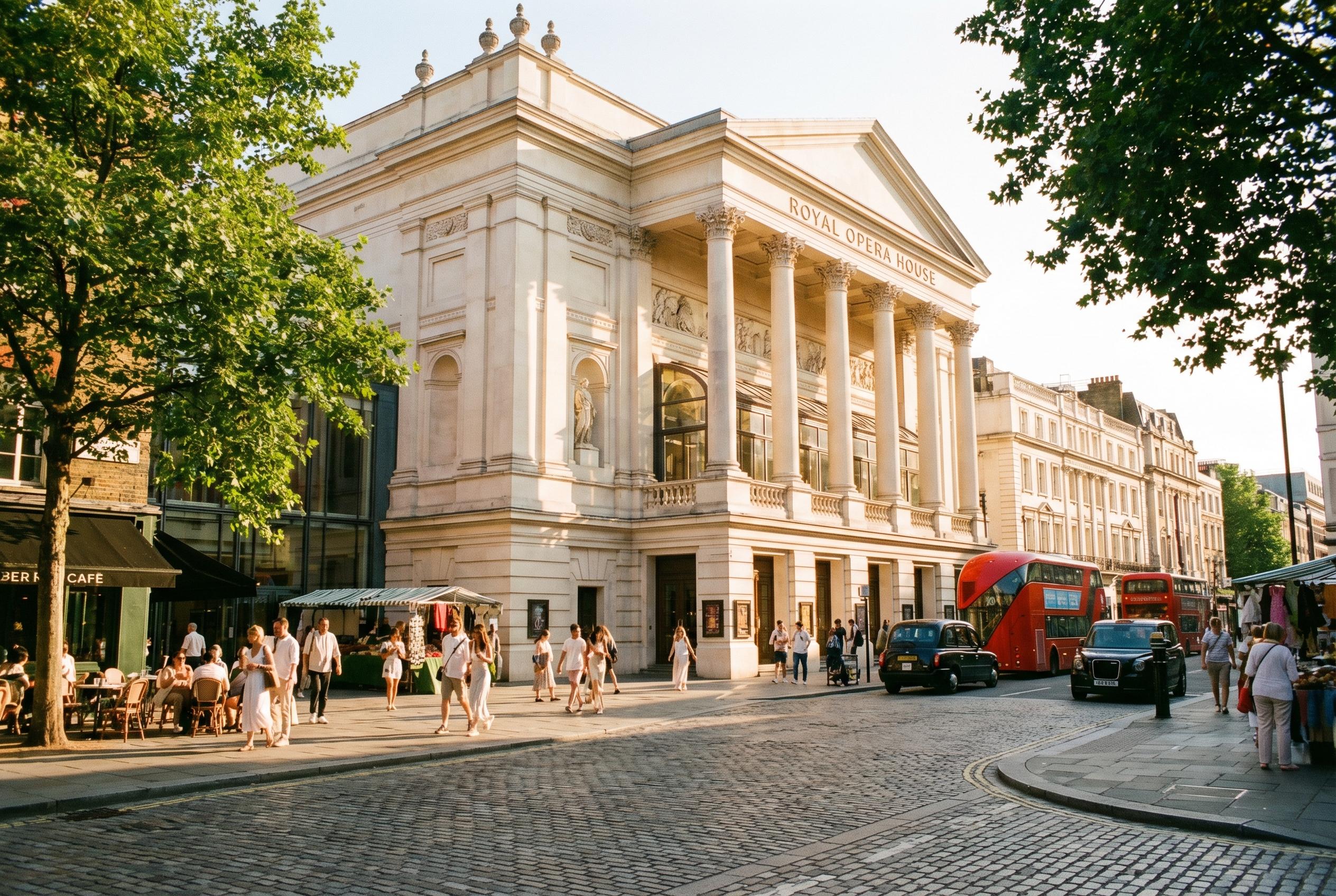
Shoppers of culture and concertgoers are heading back to London this June as Classical Pride returns, a festival spotlighting LGBTQ+ artists across classical music; it runs June 10–14 at venues including the Barbican and Banqueting House, and matters because it rewrites concert ritual with queer joy and historical reclamation.
Essential Takeaways
- When and where: Runs June 10–14 across London, with headline events at the Barbican and a Baroque Ball at Banqueting House.
- Curated by: Oliver Zeffman, the 33-year-old conductor who conceived the festival and has taken it international.
- Standout programming: LSO headline concert features the UK premiere of Henriëtte Bosmans’ Cello Concerto No. 2, Barber’s Adagio and Ravel’s Boléro.
- Baroque Ball: A new, theatrical evening reimagining courtly balls with period costume, choreography and a proudly queer lens.
- Emotional palette: The festival mixes elegiac works and exuberant spectacle , expect intimate, haunting moments and big, communal finales.
Why Classical Pride feels needed now
Classical Pride reads like a corrective: it brings LGBTQ+ narratives and artists into the centre of classical programming, not the margins. The festival’s mix of solemn pieces and celebratory nights produces a warm, textured emotional arc , you’ll go from hush-inducing adagio to dancing in a gilded hall. According to the Barbican listings, the series gathers high-profile collaborators and venues across London, signalling institutional buy-in that wasn’t always a given. For audiences who’ve long craved representation in concert halls, it’s a visible, visceral answer.
What’s new this year , the Baroque Ball and bold staging
One of the biggest talking points is the Baroque Ball at Banqueting House, presented by Daniel Evans of the RSC. It’s being billed as a reimagining of courtly balls , sumptuous, choreographed, and unapologetically queer , with performers including Sir Ian McKellen and Anthony Roth Costanzo. That blend of theatre, dance and period music makes the evening less a passive recital and more a lived, costume-rich event. If you enjoy immersive nights out, book early: spaces at historic venues tend to fill fast.
The headline concert: repertoire and rare finds
The Barbican headline on June 14 picks a programme that nods to both lost voices and crowd-pleasing climaxes. The UK premiere of Henriëtte Bosmans’ Cello Concerto No. 2, performed by Laura van der Heijden, is a notable rescue of a queer composer’s work from history’s shadows. Michael Tilson Thomas’s Agnegram opens, Barber’s Adagio for Strings provides that collective catch-in-the-throat moment, and Ravel’s Boléro promises a thunderous close. It’s a smart balance: serious musical archaeology paired with moments designed to unite an audience.
How the festival fits into a wider movement
Classical Pride began as a London idea and has already gone global, with past dates in Los Angeles at the Hollywood Bowl. That trajectory suggests the festival is tapping into a wider hunger for programming that reflects contemporary identities. The Barbican’s ongoing support demonstrates how major institutions are rethinking audience engagement and repertoire. For programmers and artists, the festival is a proving ground: diversify the canon, and you’ll often find new audiences and renewed energy.
Practical tips for going: tickets, dressing, and what to expect
Plan for variety. If you’re attending the Baroque Ball, think period-inspired dressing , it’s part spectacle, part social evening. For the Barbican concert, arrive early to soak up programme notes and any pre-concert talks; these contextual nuggets make premieres and lesser-known works land more fully. Buy tickets as soon as they’re released, especially for headline nights. If you want an accessible experience, check the venue pages for listings of relaxed performances or accessibility services.
It’s a small change that can make every concert feel more like a celebration.
Source Reference Map
Story idea inspired by: [1]
Sources by paragraph: