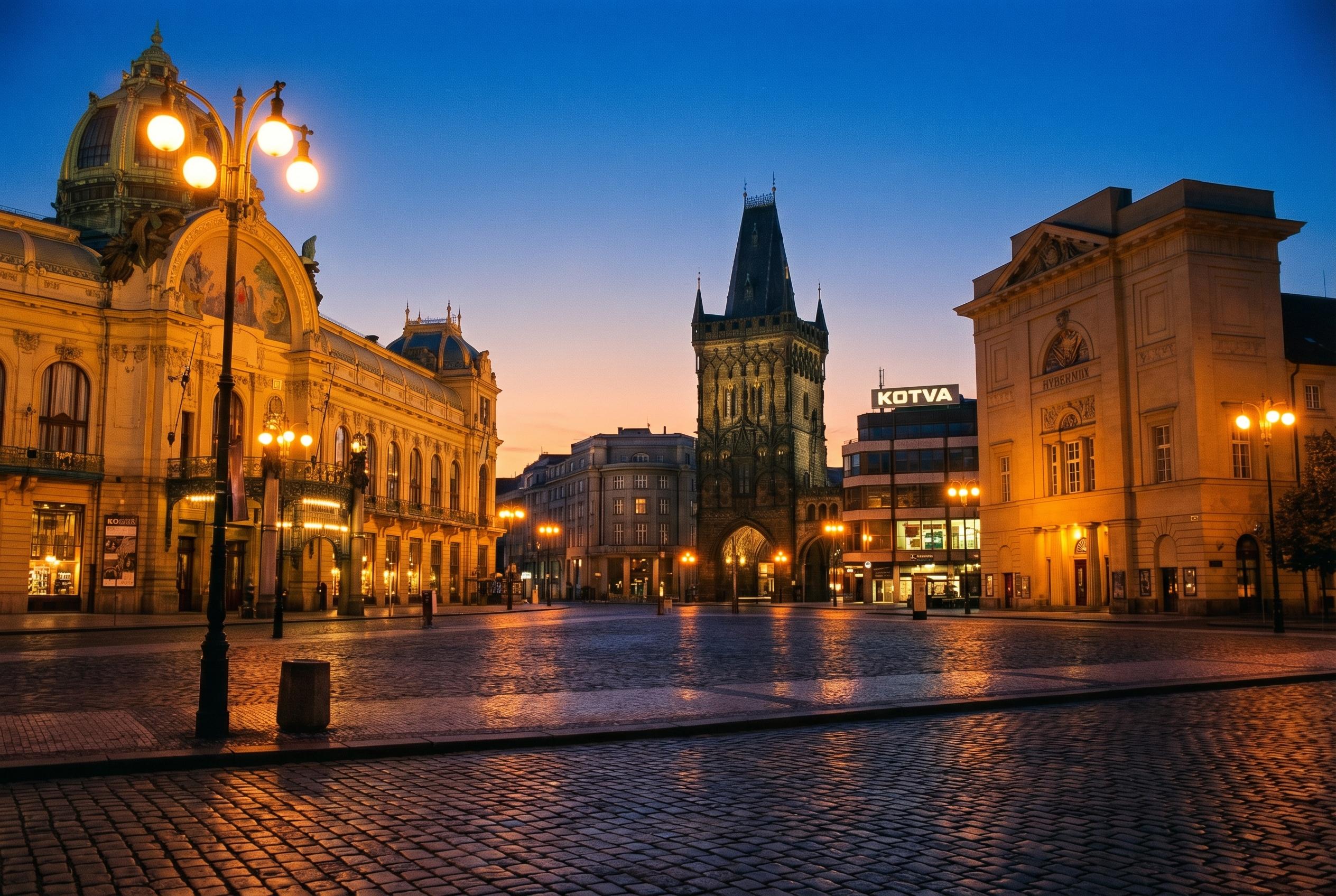
Shoppers are turning to maps and guides that make the city feel more honest , Queer Prague’s interactive map pins 160 historic sites across the capital, showing who lived, loved and worked here and why that matters amid current political debates. It’s a lively, useful way to see Prague differently.
Essential Takeaways
- Historic depth: The Queer Prague map lists 160 sites, some dating back to 1376, tracing queer life from medieval records through the 20th century.
- Practical access: Each pin opens contextual notes and locations, making self-guided walks easy and informative.
- Cultural pushback: The project counters contemporary political homophobia by showing LGBTQ+ presence as integral, not imported.
- Community resource: Developed from academic work, the guide links museums, archives and events for further exploration.
Why an interactive map changes how you walk Prague
The opening fact hits you: queer history is not new here, it’s layered into Prague’s streets and squares. The map’s visual pins make that feel immediate, turning casual strolls into mini discoveries , a plaque, a former café, or a small lane with a story. According to the project’s keepers, the guide grew from academic research into a public tool so people could see how queer lives were woven into everyday urban life. If you’re visiting, bookmark a neighbourhood and look for the little notes that add colour and human detail to familiar landmarks.
From dusty journals to clickable pins , how the guide was born
This project began in scholarly circles and then went public, which matters. Historians compiled archival finds and memoirs; the result was a popular print guide that sold out, prompting an online version. The Society for Queer Memory and the Queer Prague team mapped evidence from court records, newspapers and personal accounts to build a timeline that ranges from violent medieval cases to inter‑war cultural scenes. That academic-to-public route means the guide is thoughtfully sourced , and it’s a reminder that good history can be both rigorous and accessible.
Context: why this matters now in Czech politics
Prague’s queer map arrives against a backdrop of mixed tolerance and political pushback. While the Czech Republic is more secular and often seen as comparatively tolerant, legal gaps remain and many LGBTQ+ people report harassment. Politicians sometimes frame gender diversity as an external threat, which the map directly challenges by pointing to centuries of local presence. For anyone following regional currents, the guide is a visual rebuttal: these stories are Czech stories, too.
Where to start your own queer walking tour
Begin in the city centre and let the map surprise you. Key starting points include squares once known as meeting places, former cafés and cultural venues associated with writers and artists. Use the map alongside Prague Pride listings and local cultural calendars to time your visit with talks or exhibitions. Tips: wear comfortable shoes, pick a neighbourhood per day, and pause at museums or archives listed on the site to deepen what you learn.
How locals and visitors use the archive and events
The project is more than pins , it points to a living network: archives, community groups and festival programming that keep queer heritage active. Organisations host talks, exhibitions and walking tours that draw on the map’s research. For locals, it’s a way to reclaim public space; for visitors, it’s an invitation to listen to stories that standard guidebooks miss. Expect anecdotes, archival photos and sometimes difficult histories, presented with care.
It's a small change that helps make Prague’s past feel fuller and more honest.
Source Reference Map
Story idea inspired by: [1]
Sources by paragraph: