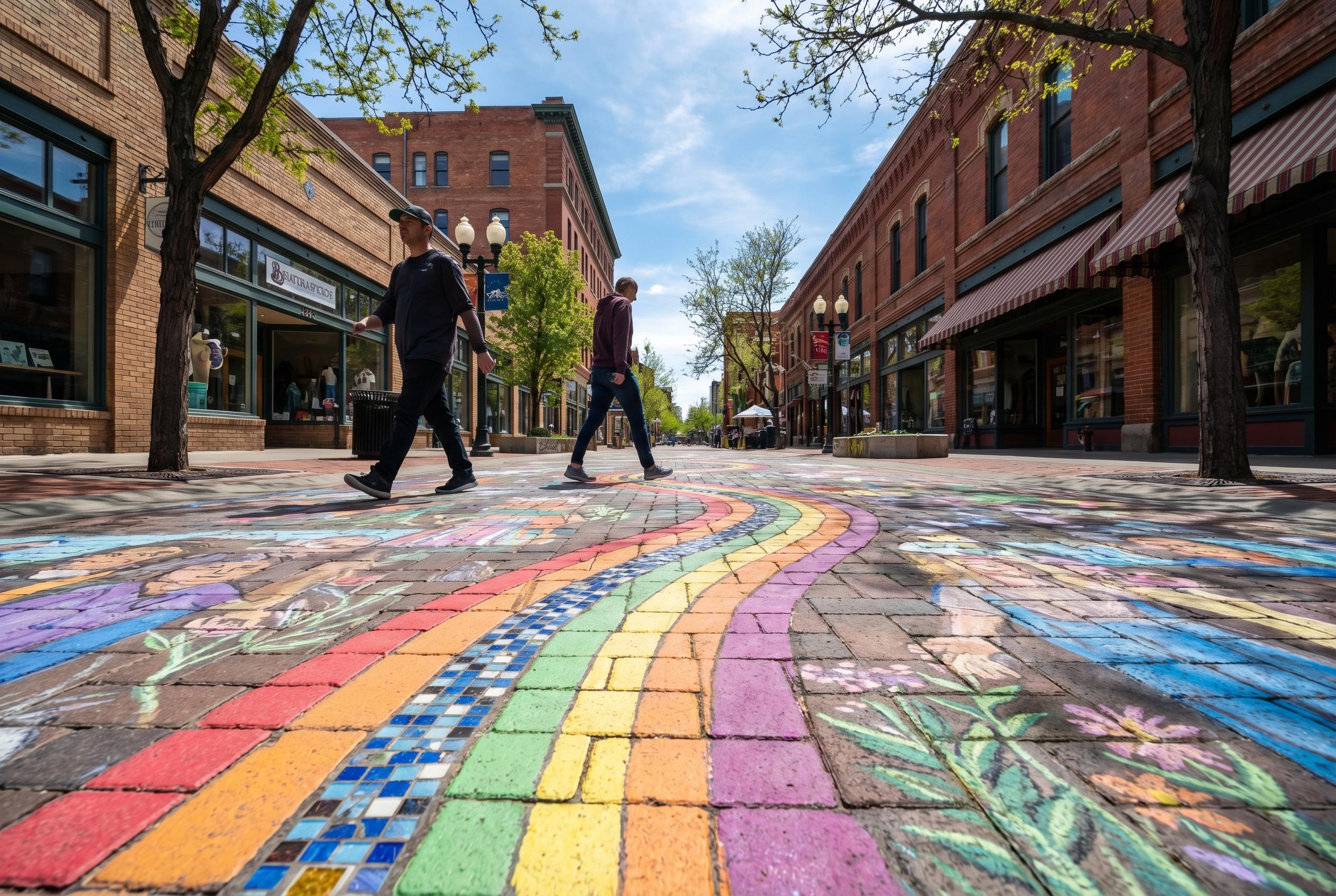
Shoppers and residents noticed something different on Boise’s main street , instead of the usual flags, the city wrapped poles in bright, rainbow-coloured art after state lawmakers tried to stop Pride displays; it’s a creative, community-backed answer that’s practical, playful and politically pointed.
- Quick pivot: Boise removed Pride flags but installed colourful wraps and public art, creating an eye-catching alternative that still reads as Pride.
- Community-powered: 3,606 rainbow pavers were salvaged and repurposed for the new installation, giving the display real local heft.
- Fundraising success: A GoFundMe launched for the project exceeded its goal within a week, signalling broad public support.
- Design wins: The wraps are low-maintenance, weatherproof and visually striking , they keep the message without relying on traditional flag hardware.
- Legal context: The move follows a state law aimed at restricting municipal Pride flags, so Boise’s solution mixes civic creativity with a quiet legal workaround.
Why Boise’s response felt like a mic-drop moment for Pride supporters
Boise’s decision to swap downed Pride flags for colourful pole wraps reads like a practical wink at lawmakers and a warm embrace to locals. The wraps have a tactile, upbeat look , bright, layered bands that make the street feel celebratory without fluttering fabric. According to reporting, the city took the flags down after a new state law targeted municipal Pride displays, and this was a fast, visible way to keep the message alive while steering clear of legal issues.
Residents reacted immediately; the wraps turned a potential civic defeat into a public art moment. The salvaged rainbow pavers, repurposed into the new work, add a satisfying texture and a story about reclamation. It’s an answer that’s equal parts artistic and strategic, and it keeps the spirit of Pride on view.
How the project repurposed materials and community energy
Instead of starting from scratch, Boise’s team re-used 3,606 rainbow pavers, which is as symbolic as it is sustainable. That detail gives the installation weight , literally and metaphorically , because it’s made from pieces of the original display. A GoFundMe backing the effort smashed its fundraising target quickly, showing there was money and willpower behind the idea.
Local organisers and volunteers helped with the rollout, which made the project feel like something people owned. It’s a good reminder that community-driven projects can move fast when there’s shared purpose, and that creative reuse can be both beautiful and budget-friendly.
What the new approach means legally and politically
State lawmakers passed a measure aimed squarely at preventing cities from flying Pride flags, which placed Boise in a tricky spot. According to local reporting, city leaders opted to avoid a courtroom test by removing flags but kept the symbolism alive through wraps and art installations. It’s a neat example of municipal problem-solving: keep the intent, change the form.
That matters because municipalities across the country are watching how cities respond to similar restrictions. Boise’s playbook is simple , if one path is blocked, take another that still achieves visibility and community affirmation without breaching the letter of the law.
Practical takeaways for other cities and organisers
If your town hits a legal snag over public displays, there are smart alternatives: wraps, murals, pavers and temporary installations all send strong visual messages while staying adaptable. Salvaging materials gives projects resonance and may help with fundraising, because donors like to feel their contributions are part of a tangible legacy.
Think about durability and maintenance when choosing materials, and lean on local artists and volunteers for authenticity. A well-designed wrap can be low-cost, low-upkeep and high-impact , and it keeps the conversation going without escalating to legal battles.
The mood on the ground , hopeful, defiant, creative
There’s an appealing bluntness to Boise’s reply: they didn’t win the legislative fight, so they invented a new gesture that feels like a win anyway. Residents say the street looks lively, supportive and unmistakably proud. It’s a reminder that symbolism matters, and that sometimes small, clever acts of defiance can have a big emotional payoff.
Whether other cities copy the tactic or adapt their own versions, Boise’s move shows how civic pride can be preserved through imagination.
It's a small change that can make every display feel more intentional , and a lot harder to silence.
Source Reference Map
Story idea inspired by: [1]
Sources by paragraph: