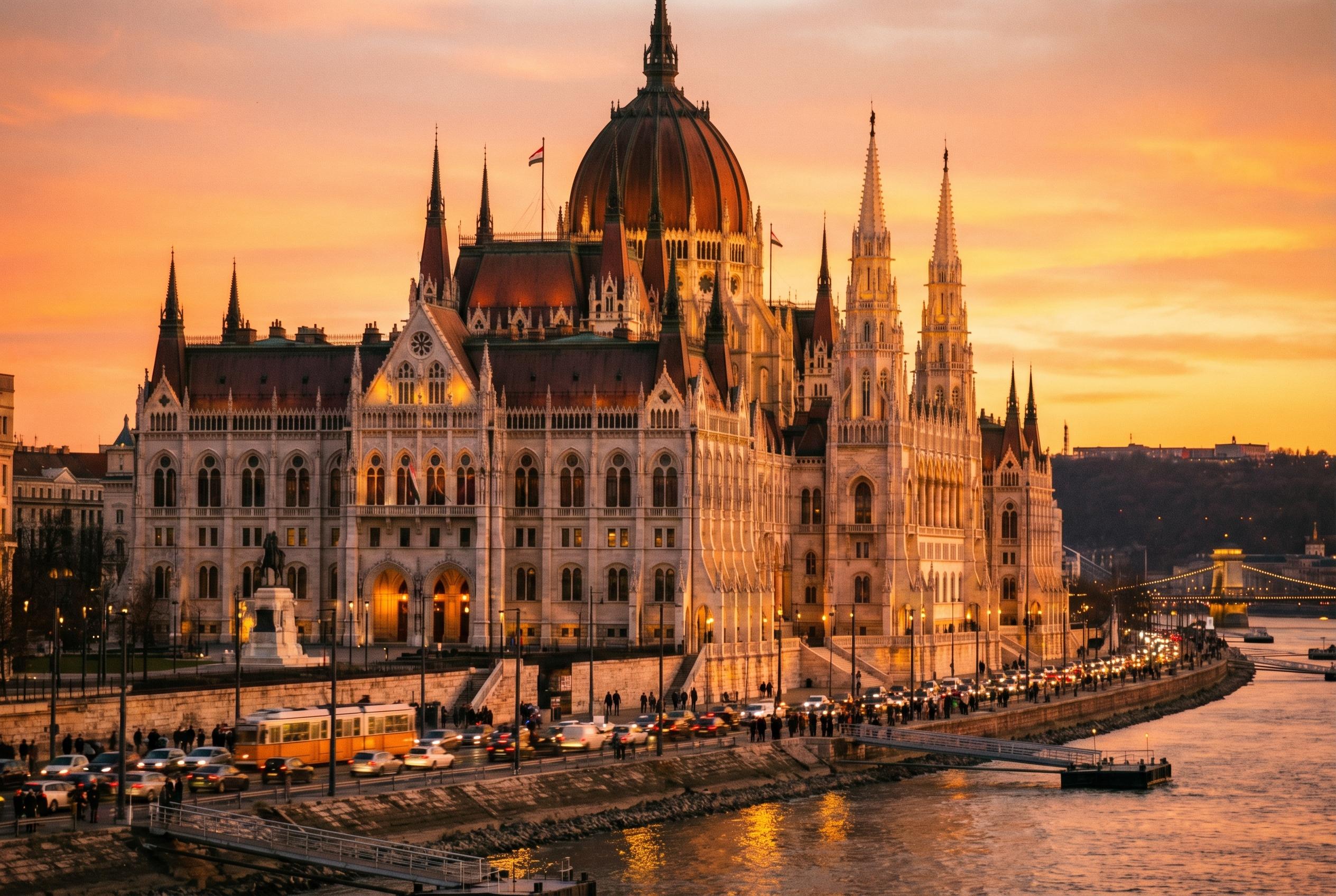
Shifts in Budapest and beyond are changing the political weather , voters ousted Viktor Orbán in a surprise victory for Peter Magyar, and the election follows a summer when hundreds of thousands defied a state ban to march in Budapest Pride, a moment that mattered to many voters.
Essential Takeaways
- Major upset: Viktor Orbán conceded to Peter Magyar after a hard-fought campaign, signalling a dramatic change in Hungary’s political leadership.
- Pride as backdrop: Last summer’s Budapest Pride drew enormous crowds despite a government ban, creating a vivid, emotional backdrop to the election.
- Tense enforcement: Authorities used legal threats and policing plans, including talk of facial recognition and bans, making the parade feel like a civil-rights flashpoint.
- Civic turnout: Estimates put Pride attendance between 100,000 and 200,000, in a country of under 10 million , a striking show of public solidarity.
- Practical note: For activists and organisers, the episode showed the limits of intimidation: large, visible gatherings can reframe public debate.
How Orbán’s concession landed like a political earthquake
This week’s concession from Viktor Orbán to Peter Magyar felt, to many observers, like the end of an era, and it landed with a distinct emotional fizz , relief for some, shock for others. According to reporting, Orbán’s defeat came after a campaign in which cultural issues and civil liberties were never far from the surface. Analysts told commentators that the combination of civic mobilisation and international attention made the result possible. For voters who had watched last year’s Pride drama, the vote felt personal; for others, broader economic and geopolitical concerns sealed the deal. If you’re trying to read what happens next, expect political recalibration in Budapest and a scramble among regional allies to understand the new balance of power.
Why Budapest Pride became an election issue
The 2025 Pride march was not just a parade; it became a symbol of resistance. When Parliament amended laws to ban LGBTQ demonstrations and officials threatened legal consequences, the event morphed into a referendum on civic space. Organisers and politicians contrast sharply on motives: critics said the government manufactured a moral panic, while ministers insisted they were protecting children. The dramatic visual of huge crowds crossing the Elizabeth Bridge, with families and kids among them, stuck in voters’ minds. Campaign season absorbed that imagery. In contests where cultural identity is a battleground, such live displays of solidarity can shift undecided voters or mobilise previously quiet constituencies.
The tech and legal tactics that tried to stop a march
The state’s approach was striking for its mixture of technology and legal muscle. Proposals to use facial recognition and new assembly rules to identify organisers drew alarm from civil liberties advocates. European and local outlets detailed warnings from ministers and subsequent threats to local officials who supported the march. The mayor of Budapest publicly defied those threats, a move that added a dramatic city-versus-state element to the story. Practical takeaway: when authorities lean on surveillance or new statutes, local leadership and visible public turnout remain powerful counters , and they can reshape political narratives quickly.
Numbers, atmosphere and why turnout mattered
Reports placed the crowd anywhere from 100,000 to 200,000, with many calling it extraordinary in a country of under 10 million. Whatever the exact figure, the day had a carnival feel: music, strollers, and a sense of joyful defiance, all playing out under a bright sky. Observers noted the sensory contrast , the soft hum of a river city and the loud, colourful march , a stark counterpoint to the hard-edged legal warnings issued by the government. That contrast is the kind of image that sticks in the memory of voters and journalists alike. If you’re comparing movements, remember turnout matters less as a statistic and more as a visual proof point: big, diverse crowds are hard to ignore.
What this means for activists and the region going forward
For activists, the sequence , ban, defiance, and a political upset months later , is both energising and cautionary. It shows that visible public resistance can feed into larger political change, but it also flags potential risks as authorities test legal and technological boundaries. Regional allies and EU institutions will be watching how the new leadership handles civil liberties and surveillance tools. For anyone planning events in contested political climates, the lesson is to plan for legal pushback, cultivate visible municipal allies, and make the human story unmissable. And for ordinary voters, the scene serves a reminder: public acts of solidarity can ripple far beyond a single march.
It's a small change that can make every public show of solidarity feel consequential.
Source Reference Map
Story idea inspired by: [1]
Sources by paragraph: