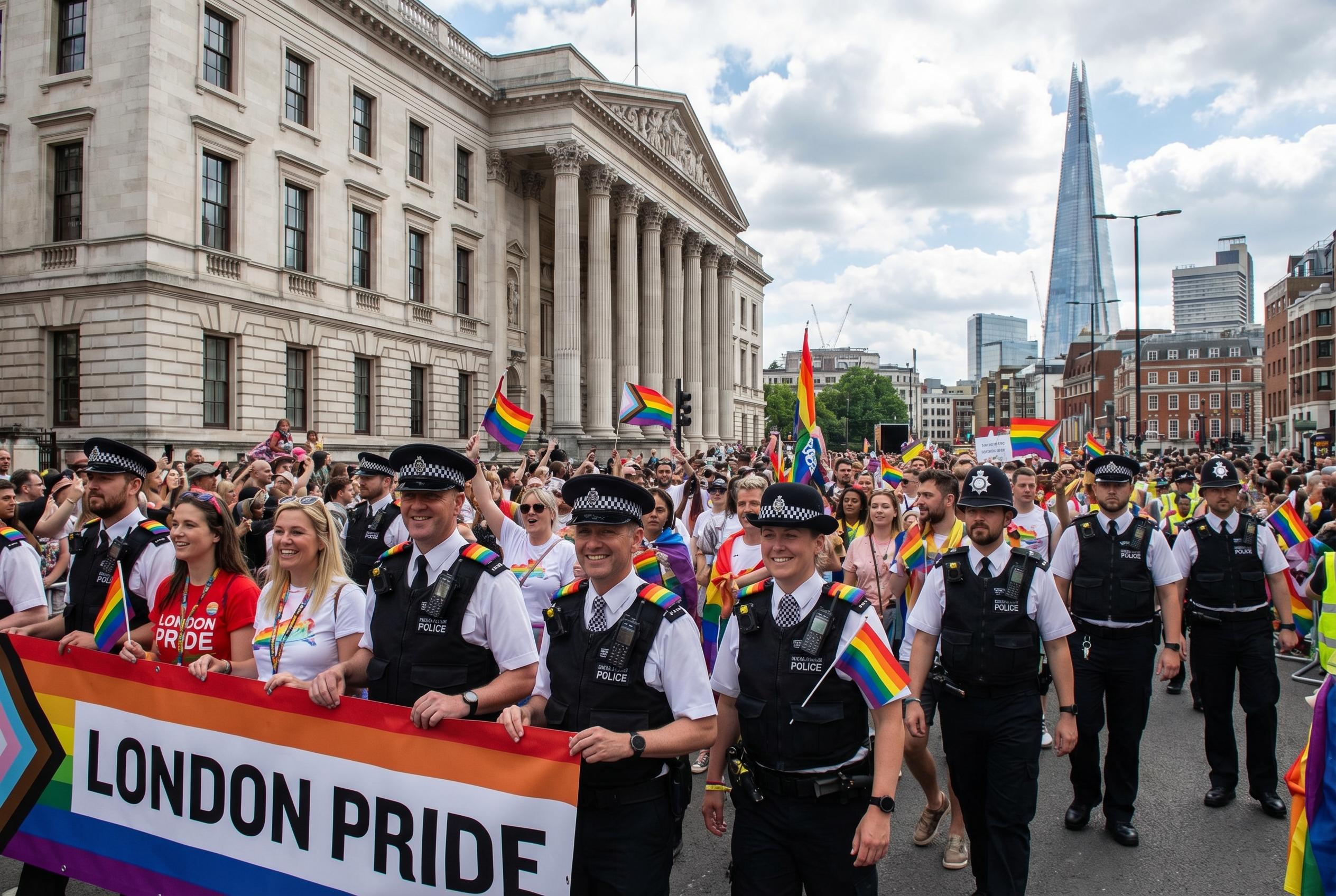
Shoppers and city-watchers are poring over figures after London’s mayor earmarked public cash for Pride: who paid what, where the money went and why it matters for Pride 2025 and beyond. Here’s a clear, practical look at the grants, police and Whitehall spending and what residents should know.
Essential Takeaways
- Mayor’s grant: Sadiq Khan’s office allocated £125,000 to support London Pride, plus smaller sums for related events and staff attendance.
- Additional City Hall spend: Around £25,200 covered City Hall’s parade participation, and £18,514 funded the Mayor’s Pride reception , venue, catering and dressing.
- Police and departments chipped in: Several forces and Whitehall units spent on Pride merchandise, grants and staff participation, with totals varying from a few hundred to several thousand.
- Comparison point: London’s public outlay on Pride was considerably larger than Manchester’s reported figure of roughly £33,900.
- Practical note: Many of these costs are framed as community engagement and staff network activities; transparency via FOI requests helped clarify the breakdown.
What the £200,000 package actually covered
London’s FOI responses and mayoral decisions show the headline figure combines several line items rather than one lump sum. The largest single grant , about £125,000 , was made to London Pride organisers to stage the central parade and hub events. City Hall also paid for its own float, decorations and participant welfare, while a separate sum covered the Mayor’s reception, including venue hire and catering. Those are tangible, visible costs: tents, staging, security, food and the general “dress” that makes a large public festival run smoothly.
Behind the numbers is a familiar civic logic: big events need logistics and back-of-house spending as much as the headline parade. According to the mayoral office, Pride draws over a million visitors and supports the capital’s cultural and tourism offer, which is the main justification for public funding.
Police, Whitehall and merch: where everyday spending cropped up
Across the country, police forces and Whitehall departments bought branded kit and funded local Pride grants. Forces spent on T-shirts, fans, flags and small grants to community organisers; spends often ran from a few hundred to a few thousand pounds per force. The Cabinet Office reported funding a cross-Civil Service LGBT Network presence at multiple Pride events, aimed at staff engagement and inclusion.
These line items can look fiddly but they’re practical: uniforms for officers at high-visibility events, hand‑held items to distribute, and small grants to grassroots groups. Still, critics argue any non-essential spend should be questioned when budgets are tight , a view voiced by campaigners concerned with prioritising frontline services.
Why some people object and where their concerns come from
Opposition voices have been vocal. Think tanks and some MPs say taxpayer money should prioritise frontline services such as policing and social care, not branded festival merchandise or receptions. Their critique often focuses on whether such spending is political, how value for money is judged, and the optics of civic funds supporting specific causes.
But supporters point to public safety, community cohesion and the economic spin-off of large events. When a parade attracts large crowds, there are direct costs for stewarding, welfare and cleaning, and indirect gains for local businesses and tourism. It becomes a judgement call about civic priorities and how councils report the outcomes of their spending.
How London compares with other cities and public bodies
In simple terms, London’s tab was larger than Manchester’s contribution last year, where mayoral spending and parade involvement was reported at a smaller scale. Police forces across regions also varied widely: some gave modest grants, others invested in merchandise or staff participation. The Ministry of Defence and Cabinet Office spent on staff shirts and network events, signalling a wider Whitehall trend of institutional engagement with Pride beyond just city halls.
For citizens tracking public money, comparisons help: bigger cities with larger events naturally record higher bills, but transparency and the availability of FOI disclosures make it possible to assess whether spending reflects community benefit.
Practical tips if you’re curious or concerned about civic spending
If you want to dig into how local money is spent, start with your council or mayoral FOI pages and look for decision records and grant agreements. Ask whether costs are capital (one-off) or revenue (recurring), and whether organisers publish post-event reports detailing attendance and economic impact. If you’re looking at policing costs, check local force FOI logs for merchandise, parade staffing and community grants , those documents often show precise line items.
And if you’re balancing values: consider both the direct costs and the wider outcomes. A parade isn’t just a party; for many it’s a safety signal, a celebration of identity and, in large cities, a tourist draw that feeds the local economy.
It's a small change in transparency that can make every public spend easier to judge.
Source Reference Map
Story idea inspired by: [1]
Sources by paragraph: