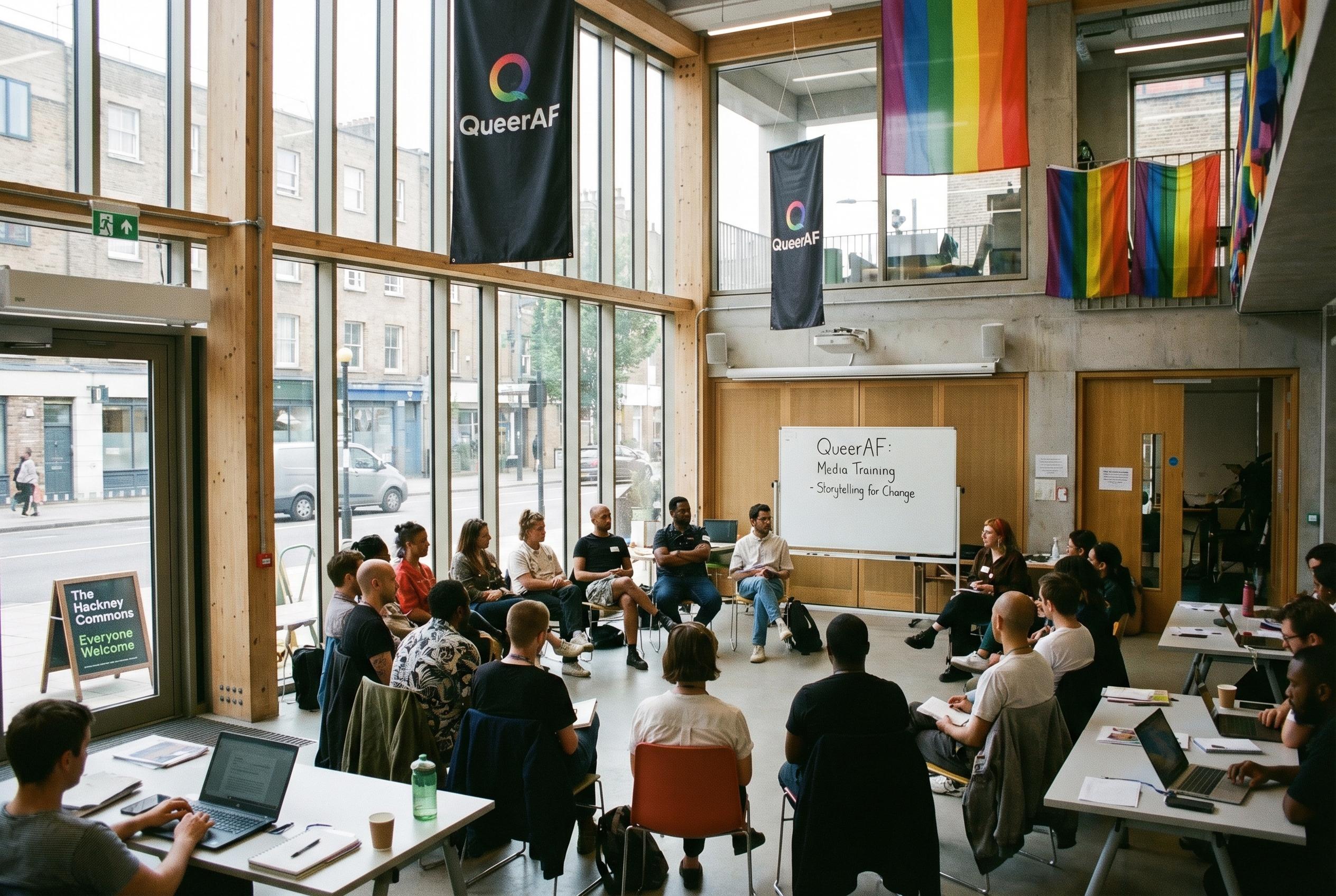
Shoppers of truth are queuing up: QueerAF is launching a funded scheme to train and publish marginalised LGBTQIA+ journalists in the UK, giving the community stronger reporting, mentorship and opportunities to hold power to account. This matters because accurate, investigative coverage can spark action and protect rights.
Essential Takeaways
- New scheme launched: QueerAF, in partnership with the Good Law Project, is funding placements, mentorships and paid commissions for marginalised LGBTQIA+ journalists.
- Practical outcomes: Participants will get published work, bylines, and experience useful for university credits or newsroom careers.
- Proven impact: Early investigations have led to books being removed from libraries and readers taking action locally; stories are practical, local and shareable.
- Focus areas: Exclusive reporting, in-depth explainers and student investigative placements are being prioritised.
- Community benefit: The programme aims to plug a gap left by shrinking queer newsrooms and to counter anti-trans and extremist narratives.
Why this scheme comes at the right time
QueerAF is betting on investigative journalism because facts still move people, and that matters more than ever when rights are contested. You can almost hear the urgency: with mounting political pressure on LGBTQIA+ lives, the need for careful, evidence-driven reporting feels both immediate and tactile , like a petition landing on a doorstep. According to QueerAF, the scheme is built to train reporters who will expose hidden agendas and give communities the information they need to respond.
Backstory: the organisation has already mentored hundreds of creatives and has a track record of investigations that prompt action. That experience shaped the new fund, which pairs legal expertise through a Good Law Project partnership with hands-on newsroom guidance. For readers, that means stories that don’t just inform but enable civic responses.
How the scheme is structured and what applicants can expect
This is not another unpaid internship dressed up as opportunity. QueerAF says it will offer paid placements, published commissions and structured mentorship , the practical building blocks early-career journalists need. There are three clear routes: exclusive news pitches, explainer features, and student placements specifically for investigative practice.
If you’re applying, focus on a tight, evidence-led pitch that shows impact potential. Think small-scale local stories that expose wider patterns; these often translate into bigger national conversations. For students, this can count as credit-bearing work experience, which is rare in investigative reporting.
Real results so far , stories that made a difference
Early trials of the scheme already produced measurable wins. One investigation prompted libraries to pull harmful books that advocates described as akin to conversion practices, and readers across the country used that reporting to prompt local action. Those tangible outcomes are the programme’s selling point: journalism that leads to concrete change.
That kind of reporting is heavy work, but it’s also rewarding. Mentors help with source-building, legal checks and framing so that new reporters aren’t left to stumble through complex, risky subjects alone. The model is deliberately practical because, as QueerAF notes, the mainstream media too often misses or misrepresents LGBTQIA+ lives.
Why this matters for queer media and broader news ecosystems
Queer media has been squeezed in recent years; big players are divesting and budgets are tight. So investing in a pipeline of skilled, queer-led investigative journalists isn’t just charity , it’s strategic. It replenishes the talent pool, diversifies who gets to tell power-holding stories, and helps correct mainstream blind spots.
Ludovic Parsons, QueerAF’s lead investigative journalist, frames it plainly: investigative work holds power to account, and when political forces target marginalized groups, independent queer reporting becomes a tool of defence. Expect this scheme to nudge the wider British media towards better coverage of trans and queer issues.
How to engage, pitch, or support the movement
QueerAF is taking pitches now across its three tracks. If you’re a student, an emerging reporter or an underrepresented queer journalist with a tip or an idea, polish a tight, impact-focused pitch and apply. For readers and allies, supporting crowdfunding or subscribing helps keep these opportunities funded; the project itself grew from donations and community support.
Practical tips: match your pitch to the scheme’s focus, demonstrate a clear line to public impact, and outline how mentorship would help you complete the work. And if you’re a reader, share investigations with local institutions , they’re the ones that turn reporting into change.
It's a small, strategic investment that could reshape who gets to investigate power , and what stories reach the public.
Source Reference Map
Story idea inspired by: [1]
Sources by paragraph: