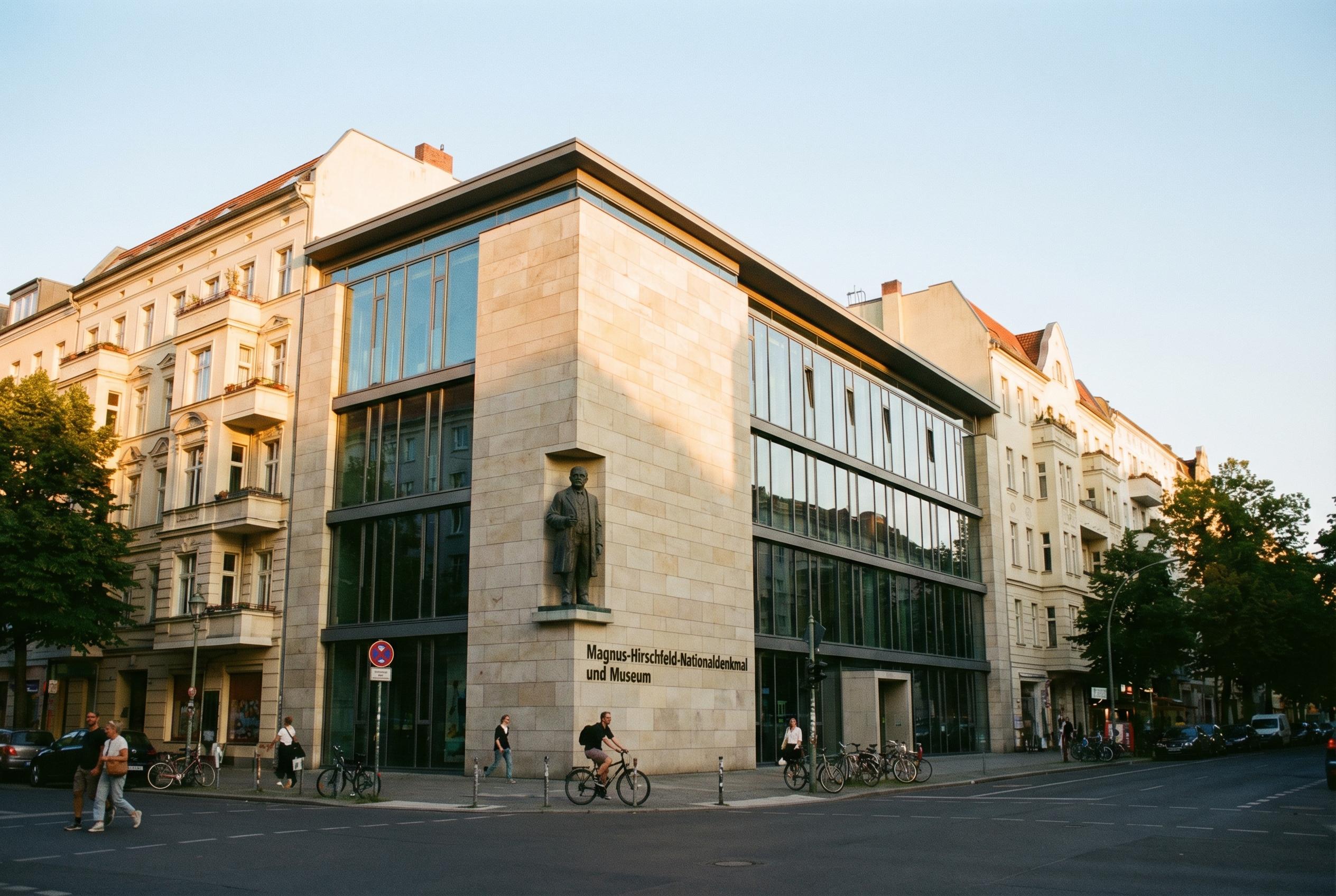
Discover how Berlin became a cradle of early gay rights activism, where bold researchers, lively clubs and courageous communities pushed back against criminalisation , and why that history still matters for queer life in the city today.
Essential Takeaways
- Pioneering leadership: Magnus Hirschfeld founded the Scientific-Humanitarian Committee and later the Institute for Sexual Science, pioneering medical and legal challenges to criminal laws against men.
- Cultural hotspot: 1920s Berlin hosted clubs like Eldorado and cafés such as Dorian Gray, offering a relatively open social scene for queer people and artists.
- Legal repression: Paragraph 175 criminalised sex between men from 1871; enforcement intensified under the Nazis, who destroyed Hirschfeld’s institute and persecuted thousands.
- Enduring legacy: Archives and memories survive in museums and plaques, and the city’s modern queer culture still echoes its Weimar-era openness.
How a doctor turned activist changed the conversation
Magnus Hirschfeld wasn’t just a physician; he was an organiser with a soft-spoken, stubborn insistence that sexual diversity was human variation, not a crime. He set up the Scientific-Humanitarian Committee to challenge Paragraph 175 and later opened the Institute for Sexual Science, which mixed clinical work, research and public education. According to Britannica, the institute became internationally known, with counselling services and a huge archive of material on sexuality and gender. Its tone was progressive and humane, and that made Berlin feel, to many residents and visitors, like a place where you could breathe a little easier.
What the Institute for Sexual Science actually did
Think of the institute as part clinic, part library, part think-tank. It offered medical care, gathered case histories and published findings that questioned the strict male–female binaries of the time. The work there influenced early understandings of what we’d now call transgender identity and sexual orientation. Visitors and patients reported a calm, serious atmosphere where questions were taken seriously and people were treated with care. That combination of clinical rigour and social advocacy is why the institute is still cited when historians trace modern LGBTQ+ thought.
Nightlife, creativity and a neighbourhood scene
Berlin’s nightlife in the 1920s had texture: smoky clubs, electric cabarets, costume balls and mixed gathering places where creatives mingled with queer people. Venues such as Eldorado , a notorious nightclub which moved locations but remained a magnet for drag, performances and discreet freedom , and the Dorian Gray café in Schöneberg helped create a social infrastructure beyond the clinic. Writers and artists, including Christopher Isherwood and Marlene Dietrich, drew inspiration from these spaces. Wikipedia and other sources map Eldorado’s changing addresses and describe how these places served as more than entertainment; they were vital social networks.
When tolerance met violence: Paragraph 175 and the Nazi crackdown
Germany’s Paragraph 175, introduced in 1871, laid the legal groundwork for criminalising male homosexual acts long before the Weimar era. Enforcement varied, but the rise of the Nazis brought a catastrophic tightening. In 1933 the institute was raided, its library and archives looted and much was later burned. The United States Holocaust Memorial Museum records that tens of thousands of convictions under Paragraph 175 followed, and several thousand men were deported to concentration camps. That violent rupture erased institutions and scattered survivors, but it didn’t erase memory; commemorations and plaques now mark the sites of what was lost.
Why Weimar Berlin still matters to queer Berliners today
You can feel a direct line from those early activists to today’s queer districts. Museums like Berlin’s Schwules Museum and plaques at former institute sites keep the history visible, while neighbourhoods such as Schöneberg continue to be associated with queer life. The city’s present-day reputation for openness grows partly out of that older culture of nightlife, scholarship and activism. Understanding the history matters practically too: it underlines why legal protections and archives are worth defending, and it reminds visitors that the freedoms on offer were fought for and nearly extinguished.
It's a small change in perspective that makes the city’s queer heritage feel immediate rather than museum‑distant.
Source Reference Map
Story idea inspired by: [1]
Sources by paragraph: