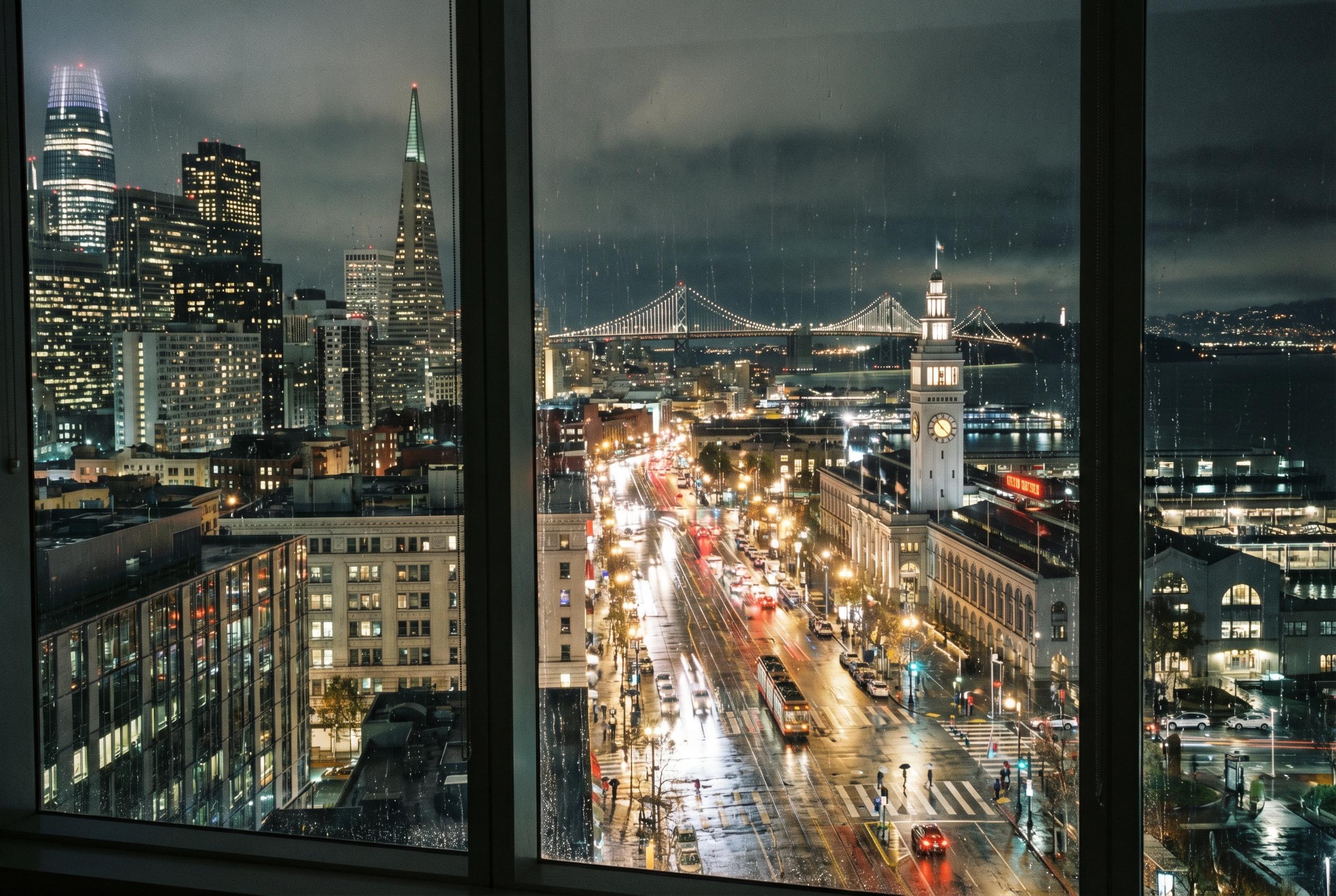
Shoppers are asking questions after Philz Coffee quietly asked stores to remove Pride flags; customers, staff and locals in San Francisco are reacting loudly because symbols here mean more than decoration. This isn’t just corporate neutral-speak , it’s a story about place, identity and what customers actually expect from community-minded brands.
Essential Takeaways
- What happened: Philz asked stores to take down Pride flags to "create a more consistent, inclusive experience," sparking staff petitions and customer backlash.
- Local reaction: Castro baristas pushed back and at least one location still displays a rainbow flag; long-time customers feel betrayed and organisers are calling for boycotts.
- Media coverage: National and local outlets reported fast, from The Guardian to KTVU and LGBTQ press, turning a regional move into a wider debate.
- Practical effect: Removal of visible support risks alienating core neighbourhoods where symbols like the rainbow flag are historically meaningful.
- Tip for customers: If you care, check your local store window or ask staff; join petitions or switch to businesses that visibly support your community.
What Philz says and why it landed like a shrug
Philz’s corporate message framed the decision as an attempt to make experience "consistent" across locations, a phrase that sounds tidy until you realise consistency can also mean erasing local signals. Reuters-style coverage and regional reporting suggest the choice followed a recent change in ownership and a push for standardised branding. That kind of corporate housekeeping is common, but when it touches symbols of identity in a city that birthed Pride, it reads differently. Customers aren’t just buying coffee; they’re buying reassurance that public spaces reflect local values.
Castro baristas and the petition , staff pushed back quickly
Baristas at the Castro , an area steeped in LGBTQ+ history , didn’t take the request sitting down. Staff launched a petition and kept at least one rainbow flag in place, a quiet act of defiance that tells you how much small gestures mean. Local reporting from the Bay Area documented the petition and the unrest among employees, and community papers highlighted the emotional charge. For many staffers, this wasn’t policy nitpicking; it was a statement about workplace culture and the trust between a business and its employees.
Customers, boycotts and the national echo
Within hours the story leapt from neighbourhood feeds to national outlets and cable news, and customers pledged boycotts. That national spotlight often amplifies outrage and forces corporate statements to change tone faster than internal memo cycles can handle. Analysts on business pages note that visible gestures matter more than ever: brands that trim public signals of inclusion risk losing loyal customers who prize authenticity. In short, removing a flag is cheap , losing trust is expensive.
Why San Francisco’s geography makes this feel personal
This row also reveals a simple practical detail: Philz isn’t ubiquitous across the city. Many long-time residents don’t feel personally attached to the chain because it doesn’t have outlets in every neighbourhood, and that shapes reactions. For locals who do have a Philz nearby, the storefront flag is a tiny but powerful marker of welcome. When a company headquartered in the Bay Area changes how it signals support, people notice , especially in places like the Castro where the rainbow isn’t just decoration, it’s history.
How to respond as a customer or community member
If you’re wondering what to do next, start small: check your local café’s window, ask staff how decisions were made and, if it matters to you, add your voice to staff petitions or leave feedback via official channels. If you prefer to vote with your feet, consider supporting independent cafés with clear, longstanding commitments to the community. Brands that treat inclusion as marketing will find it hard to regain trust; those that listen and act will keep customers who care.
It’s a small change with a loud echo , and in a city that taught the world Pride, people will keep watching.
Source Reference Map
Story idea inspired by: [1]
Sources by paragraph: