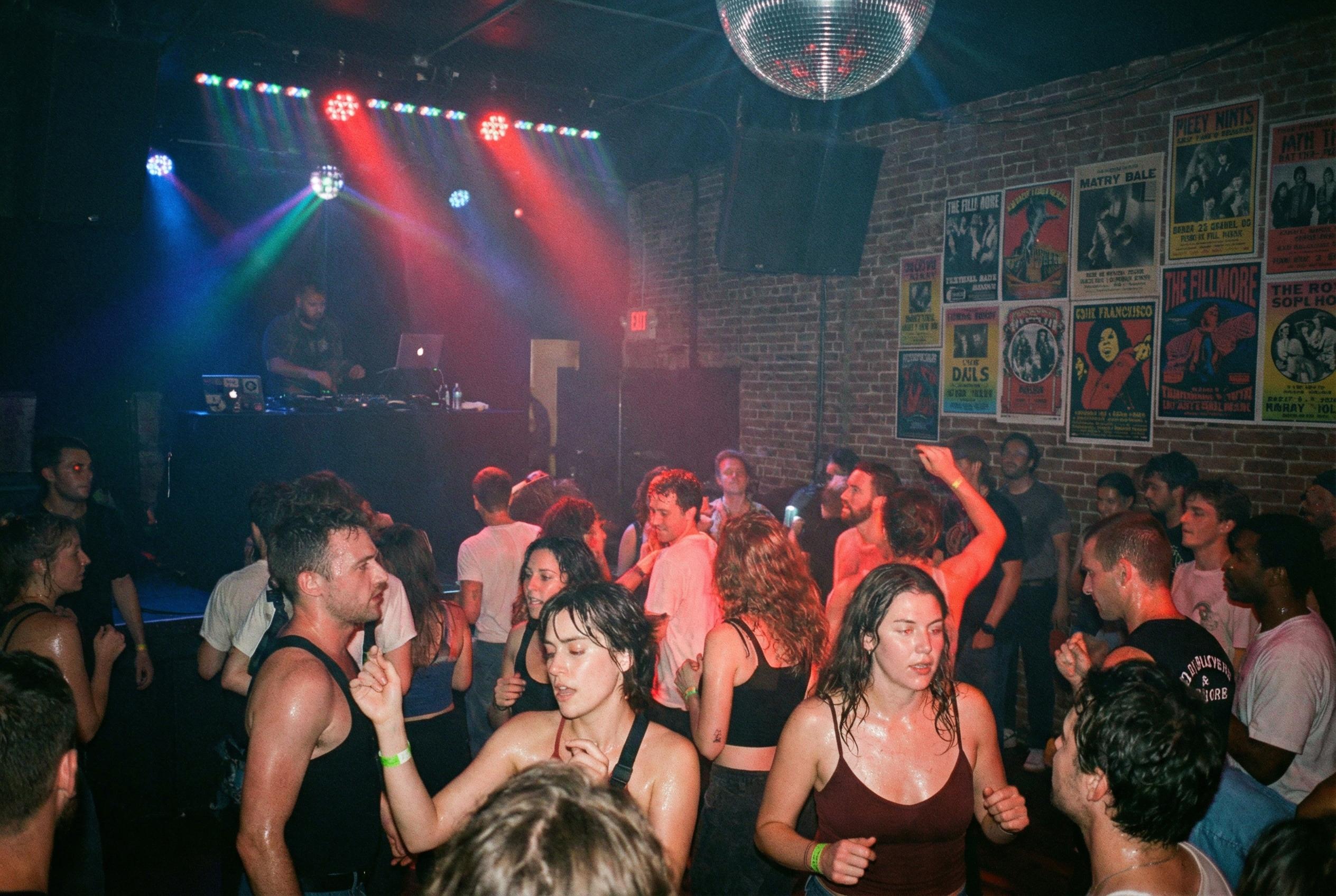
Shoppers are turning to daytime raves, sober dance series and tiny house parties as San Francisco’s nightlife fragments; here's what to expect, where to go, and how to pick the party that actually fits your vibe.
Essential Takeaways
- Multiple scenes coexist: There are sober day raves, underground warehouse events, and queer-first rooms all happening the same weekend.
- Crowd matters: Venue culture , whether queer, mainstream or touristy , shapes the whole experience; straight-heavy crowds can change the vibe.
- Drugs and drinking vary: Some parties lean sober and social; others expect chemical enhancements, which affects ambience and togetherness.
- New tools and spaces: Apps like Partiful and outdoor “entertainment zones” have made small, intimate events easier to run and find.
- Pick with purpose: Choose events by promoter, time of day, and guest list to match your comfort level and social aims.
Why San Francisco’s dance scene feels like many cities at once
You can still find rooms pulsing with decades of queer history and, in other doors, a crowd that feels newly arrived and mostly straight. According to local accounts, venues and promoters are experimenting with formats , morning Daybreaker-style sets, sober house parties and big nightclub bookings alike. That mix means your night will depend more on which door you choose than any single “scene” label. If you want queer-specific energy, look for promoters and collectives that centre trans, nonbinary and sapphic DJs and performers.
Daytime and sober parties are quietly booming
Daytime raves and sober series have a calming charm: brighter rooms, friendlier conversations and far less aggression than late-night clubs. Influencers and organisers point out that these gatherings let people be social without needing alcohol to lubricate interactions. Practically, they’re great if you want to dance and still get a good night’s sleep. If you prefer gentler energy, seek out Daybreaker-style events, museum or park activations, and house-based gatherings that advertise “no bottle service.”
Watch the crowd , straight-heavy events change the dynamic
There’s been a noticeable trend of mainstream parties borrowing queer aesthetics to attract new audiences, and that can dilute queer intimacy. Promoters aiming for a viral moment sometimes end up with crowds who aren’t invested in the music or polite room culture. If you’ve ever found yourself squeezed out of a spot in front of the DJs or passed by drunk strangers, it’s not you , it’s the crowd mix. Look for flyers, social posts and testimonials that mention inclusivity, queer lineups or community-run nights to avoid a mismatch.
Drugs, sobriety and how they shape the night
The chemistry in any room sets the tone: some people go out to be wired, others to be mellow, and lots of rooms hold a messy mix. Reports suggest ketamine and stimulants have shifted festival and rave patterns, while sober series deliberately sidestep that whole conversation. If you’ve stopped drinking or just want an experience not dependent on substances, choose daytime events or explicitly sober promoters. If you don’t mind a chemically charged atmosphere, smaller warehouse raves or bigger mainstream nights may deliver what you’re after , just go in with realistic expectations about space and behaviour.
Small rooms, apps and the “third space” revolution
Not all parties need a nightclub to thrive. Partiful and similar platforms have made it easy to find intimate dinners, house raves and algorithmically matched social clubs, which are becoming go-to ways for locals to meet without the pressure of a big venue. City policy changes allowing more outdoor entertainment have also nudged organisers towards block parties and open-air sets. If you want to make friends rather than just dance, try a dinner club, daytime gathering or a community-run queer night where conversation is part of the point.
How to choose the right party , a quick checklist
Start with the promoter and the guest list: are they known for queer-first bookings or for pulling a tourist crowd? Note the time of day and venue type , daytime equals calmer energy. Read recent attendee posts and photos to judge crowd behaviour. If safety is a concern, check for clearly stated door policies or queer-focused organisers. And finally, decide what you want: socialising, dancing sober, or a wild night where you don’t mind getting lost in the music.
It's a small change that can make every night out feel more like the one you wanted.
Source Reference Map
Story idea inspired by: [1]
Sources by paragraph: