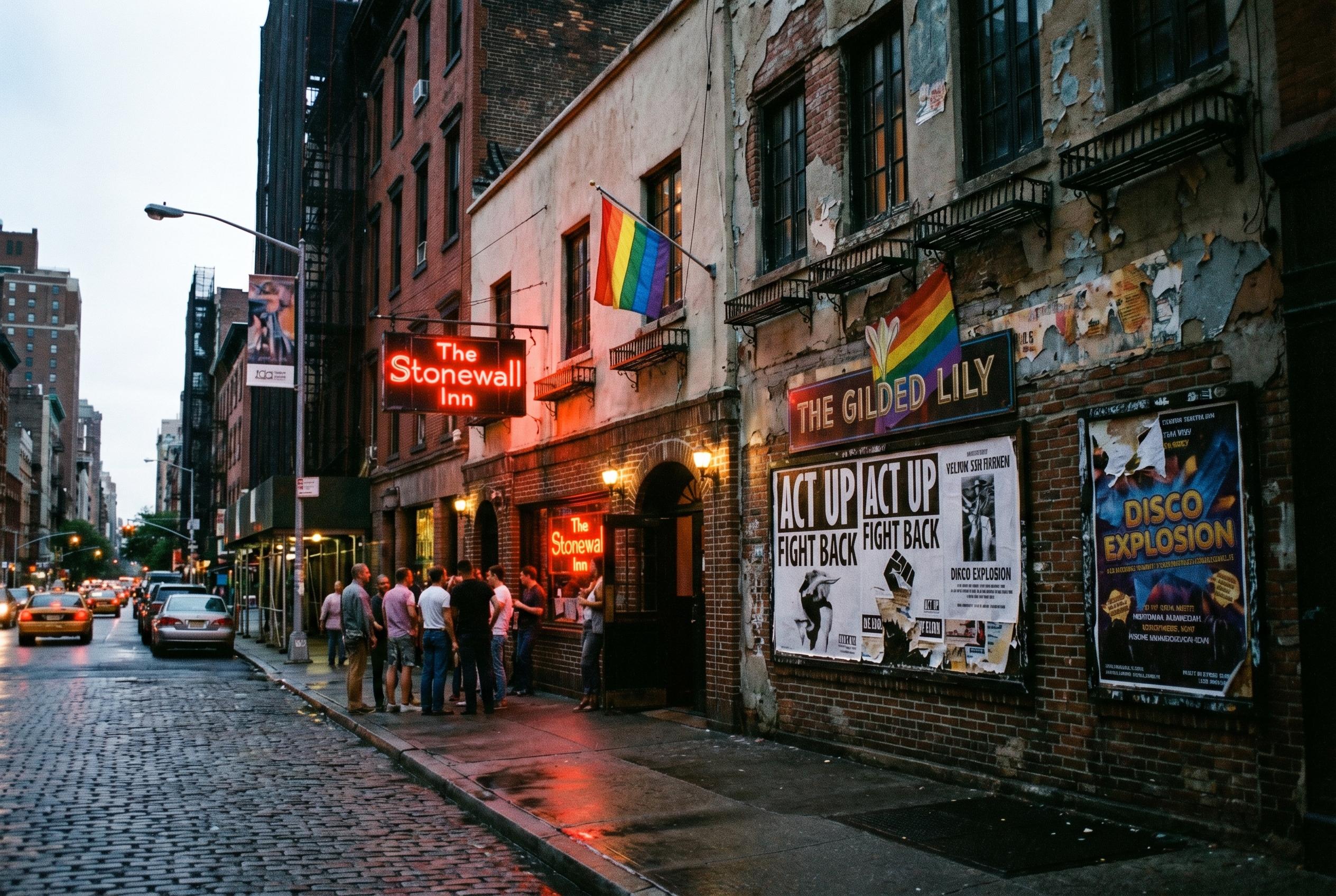
Shoppers, party-goers and activists still mark Stonewall’s shockwaves today: the 1969 riots in New York birthed Pride and shifted public life, but progress looks different depending on where you stand. Here’s a brisk look at what changed, what didn’t, and why remembering the messy roots matters.
Essential Takeaways
- Origin story: Stonewall began as a violent pushback against police raids in June 1969 and quickly became the incubator for organised Pride and modern gay rights activism.
- Visible gains: Many countries now have same-sex marriage, civil partnerships and workplace visibility, which feel stabilising and ordinary for some.
- Continuing danger: Over sixty UN member states still criminalise same-sex acts; a few maintain capital punishment, underlining why Pride is also a protest.
- Cultural shift: Queer life has been sanitised in mainstream media, trading some sex-positive spaces and subcultural freedom for social acceptance.
- Personal stakes: Older generations’ sacrifices shaped today’s freedoms, but new problems , secrecy, infidelity, and erased subcultures , show the struggle wasn’t simply about legal rights.
Stonewall: a violent night that turned into a movement
The Stonewall Inn’s resistance in June 1969 carried a particular smell of defiance , smoke, cheap perfume, anger , and it didn’t take long for word to spread. According to contemporary histories, the riots lasted several nights and galvanised a scattered queer community into organised action and public protest. Newspapers and modern retrospectives agree: Stonewall was less an isolated riot than a catalyst for a new, visible movement. Understanding that grit helps explain why Pride remains part celebration, part refusal.
Legal wins are real , but uneven worldwide
It’s easy to point at marriage equality and civil partnerships as final chapter markers, yet the map of rights is patchy. Many Western nations now allow same-sex marriage and adoption, which has transformed everyday life for countless families. But international reporting shows more than sixty countries still criminalise same-sex conduct, and some legal codes carry draconian penalties. That contrast matters: Pride parades in one city can sit beside lethal prejudice in another, so global activism isn’t optional or symbolic , it’s urgent.
From backrooms to brunch: how the culture changed
If you came of age in the raucous sex-positive scenes of the 1970s and 80s, today’s gay bars might look shockingly tame. Longform pieces and memoirs note the disappearance of dungeons, darkrooms and other subcultural spaces as nightlife became mainstream and venues aimed for broader appeal. Some welcome the normalisation and safety; others mourn the loss of places that felt defiantly different. If you’re choosing a night out, think about what you want: a cosy mixed crowd or a venue that still honours more adventurous traditions.
Sanitisation vs liberation: what were activists fighting for?
Many early activists sought not just legal parity but sexual and expressive freedom , the right to live outside heteronormative blueprints. Writers and cultural historians emphasise that the movement was about sexual liberation as much as civil rights. As queer stories enter advertising and soaps, the message sometimes becomes “we’re just like you”, which smooths difference into familiarity. That can advance acceptance, but it also risks erasing the radical options the movement once defended.
Personal lives and paradoxes today
Progress hasn’t ironed out messy human choices. Contemporary reporting and commentators point out paradoxes: more visibility hasn’t stopped secrecy, cheating, or violence in private life. Some older queer survivors celebrate the freedoms they helped win; others watch younger generations replicate closeting or the heteronormative scripts they once rejected. For anyone navigating dating apps, relationships or open arrangements, the lesson is practical: be honest about expectations, know the legal realities of the places you visit, and remember that social acceptance doesn’t replace consent and safety.
It's a small change that can make every Pride celebration feel both grateful and fierce.
Source Reference Map
Story idea inspired by: [1]
Sources by paragraph: