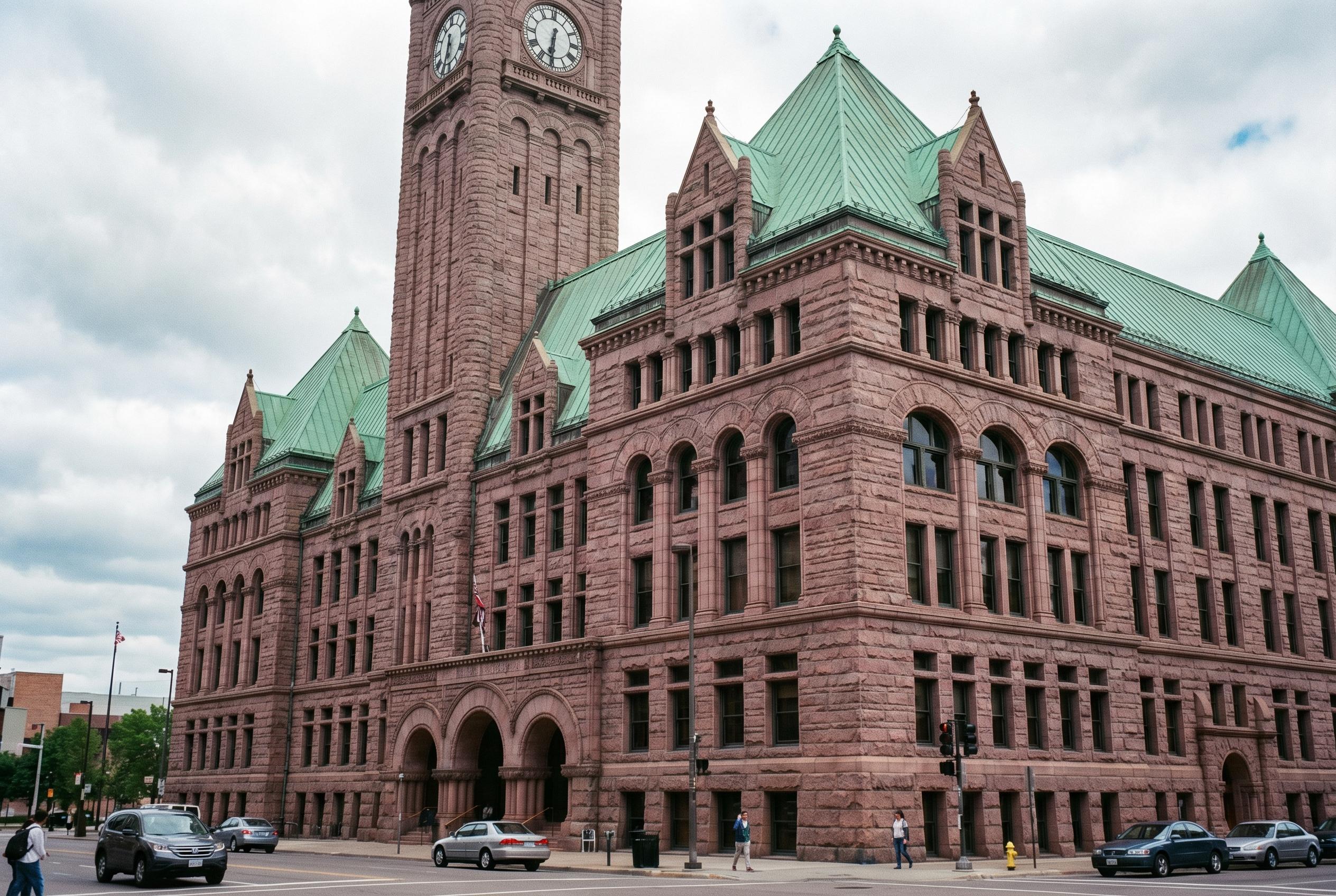
Shoppers of city policy are watching as Minneapolis moves to revisit a 38‑year-old ban on commercial adult sex venues, a change that could reopen bathhouses long central to gay social life. City councillors voted to study a repeal and licensing model, sparking questions about safety, stigma and how modern rules might look.
Essential Takeaways
- Unanimous directive: The Minneapolis City Council voted 12‑0 to have staff explore repealing the 1988 ban on adult sex venues and draft potential licensing rules.
- Historic context: The ban dates to the height of the AIDS crisis and, advocates say, contributed to stigma and underground activity.
- Public health rethink: Officials are examining zoning and sanitation updates and removing outdated HIV language from the code.
- Cautious voices: Some councillors want clarity on the problem this change would solve before endorsing reopening venues.
- Modeling on neighbours: The city is looking at a licensing framework similar to St Paul’s and examples from other US cities.
Why the city is reopening a 1980s file , and why that matters
Minneapolis’ move began as a practical housekeeping exercise with a social sting: council members asked staff to study lifting a decades‑old ban and to propose licensing options. According to CBS News, the unanimous vote simply sends the question to city staff for review, not an automatic green light. The change matters because the ban was born in panic‑era policy that many see as punitive rather than protective, and its repeal would be a symbolic undoing of that history.
That symbolism carries weight for queer community organisers who spent years urging the shift. Advocates argue that bringing activity out of the shadows allows for safer, regulated spaces where sanitation and health education can be enforced, rather than left to chance.
The legacy of the AIDS crisis , how laws kept people underground
The ordinance dates from 1988, a time when fear and limited understanding shaped public policy. As the Star Tribune reports, such laws often targeted gay gathering places under the guise of public health and fuelled policing and closures that fragmented community life. Minneapolis has already taken steps to modernise language , last year it removed descriptions of HIV as “irreversible and uniformly fatal” , and the bathhouse question is part of that broader clean‑up.
Understanding that history helps explain why activists call the ban outdated. Repeal is framed not as an endorsement of any behaviour but as a correction of laws that disproportionately punished LGBTQ+ people.
What a modern licensing model could look like
City staff are exploring zoning, sanitation and licensing frameworks rather than a simple repeal without guardrails. Reports note Minneapolis is studying models used in nearby St Paul and other cities that have reconsidered bans; San Francisco repealed its own prohibition in 2021, for instance. Practical changes under discussion include clear health and safety standards, permitted locations, and requirements for staff training and inspections.
If you’re a resident wondering about street impacts, licensing tends to put rules in place that address noise, occupancy and waste , the same practicalities other businesses manage , while enabling public‑health outreach inside venues.
The debate on council: reformers, sceptics and plain questions
Not every councillor is sold. Some, including Linea Palmisano, asked bluntly what problem repeal is trying to solve, reflecting a wider caution about unintended consequences and community concerns. At the same time, councillors like Jason Chavez have framed repeal as restorative, noting the harm criminalisation wrought on LGBTQIA+ gathering spaces, per CBS News.
That split is procedural rather than partisan. The unanimous vote to study the issue shows appetite for discussion, but future decisions will weigh public testimony, health guidance and zoning impacts.
What this means for queer life and public health in practical terms
For people who used bathhouses historically, a regulated return could mean safer, cleaner spaces with onsite prevention resources and staff who understand sexual‑health needs. For public‑health officials, licensing is a tool to ensure standards and offer outreach rather than rely on enforcement alone. Cities that have lifted bans report opportunities for targeted education and partnership with health providers.
If you’re curious or concerned, keep an eye on city hearings and draft ordinances , they’re where specifics on hours, locations and hygiene rules will appear.
It's a small but meaningful revision of policy that could reshape how Minneapolis supports queer social life and health.
Source Reference Map
Story idea inspired by: [1]
Sources by paragraph: