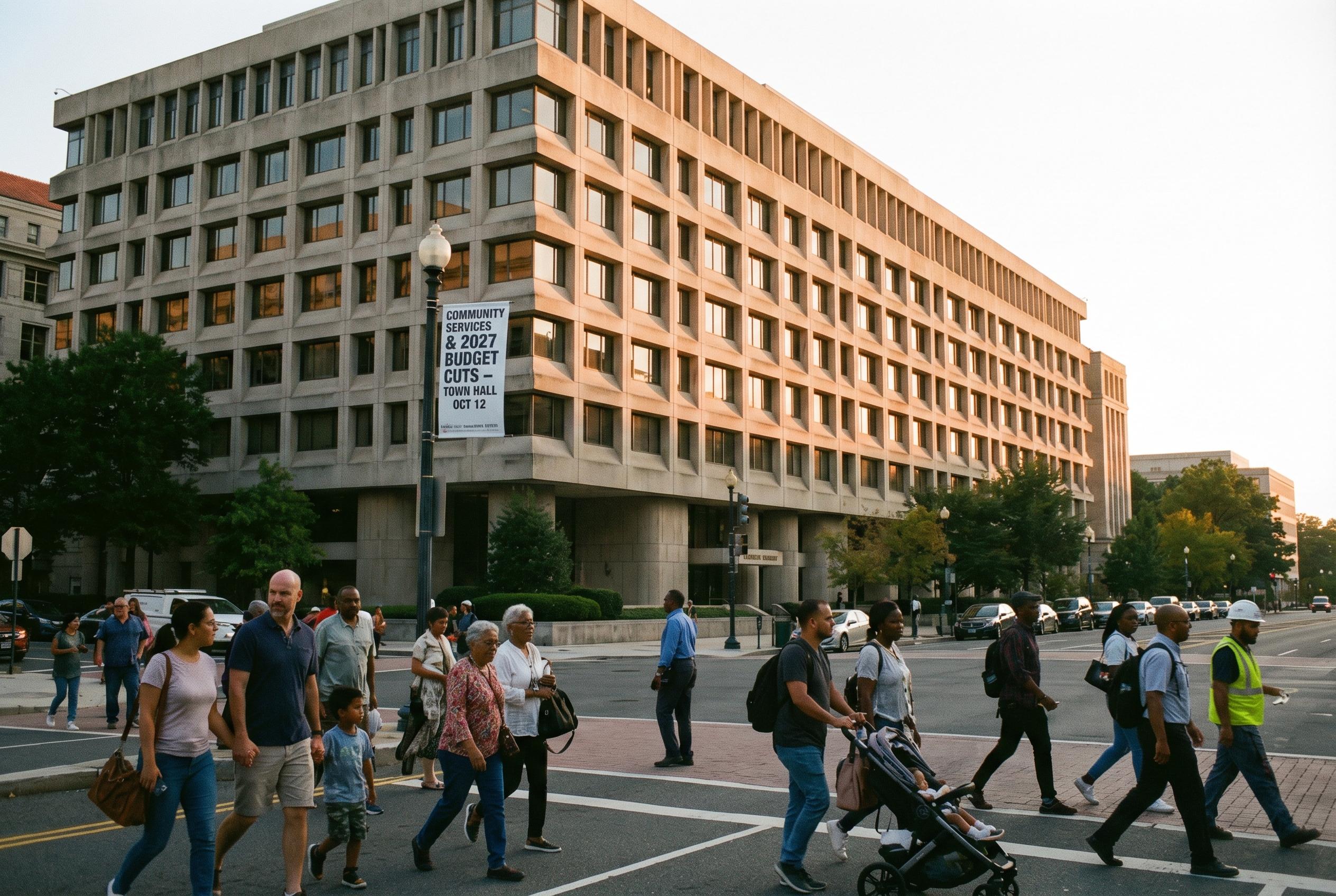
Shoppers of news are noticing a sweeping federal budget proposal that targets LGBTQ+ services across departments; activists, health providers and housing advocates in the US say the cuts would hit gender-affirming care, HIV prevention, and community grants hard , and that the ripple effects would be felt from clinics to global programmes.
Essential Takeaways
- Wide-ranging cuts: The proposed FY2027 budget targets LGBTQ+-related grants and research across multiple federal agencies, from health to housing and even climate science programmes, potentially removing billions.
- HIV and housing at risk: Major reductions would slash funding for HIV services and eliminate HOPWA housing support, threatening care continuity and stable housing for people living with HIV.
- Gender-affirming care threatened: Federal restrictions already narrowed access; the budget would further curb programmes that support gender-affirming services and training.
- Community funding reduced: Programs like the CDFI Fund face cuts affecting low-income and LGBTQ+-serving organisations, reducing local access to care and financial services.
- Broader public health implications: Cuts touch disease prevention, mental health and harm reduction services, which advocates warn could worsen health disparities.
What’s in the budget and why it matters now
The draft FY2027 budget reads like a map of priorities, with the White House signalling big increases for defence while carving away non-defence spending, including many programmes that LGBTQ+ people rely on. The effect is immediate in tone: the administration explicitly questions funding for what it calls “gender extremism” and prioritises reductions across the board. According to advocacy groups and reporting, that language translates into concrete proposals to scale back or eliminate grants and research tied to LGBTQ+ health, housing and community support. For readers, that means services they or loved ones use could become harder to find and more costly.
Cuts to HIV services and the knock-on for housing
One of the most striking elements is the proposed reduction in HIV funding, both domestic and global. Advocates note the administration has already trimmed hundreds of millions in recent years, and this proposal would pare back even more , in some cases by billions , affecting prevention, testing and treatment programmes. Perhaps most alarming to housing advocates is the plan to eliminate HOPWA, a programme that helps people living with HIV secure stable housing. Without that support, people who need consistent care to suppress the virus could face eviction, homelessness or interrupted treatment, which public-health experts say risks worse outcomes for individuals and communities.
Gender-affirming care, research and clinical training on the chopping block
Federal pressure has already pushed several hospitals and providers to curtail gender-affirming services, and the new budget would intensify that trend by targeting funding streams that support clinical training, research and community programmes. That includes NIH-funded studies into health disparities and HHS programmes aimed at mental health and substance-use supports for queer and trans people. The practical result: fewer trained providers, less evidence-based care, and longer waits for those seeking affirming treatment. Clinics that once relied on federal grants may need to scale back or close.
Community grants and local support networks face tightened funding
Beyond health care, the budget takes aim at community-focused grants, including cuts to the Community Development Financial Institutions Fund, which funds lenders serving low-income and marginalised areas. When those funds dry up, grassroots organisations, local health clinics and housing nonprofits often lose the small but vital grants that keep outreach, counselling and drop-in services running. For communities already stretched thin, that translates into fewer walk-in clinics, reduced outreach to at-risk people and a narrower safety net at a time when needs are rising.
Wider public health consequences and political context
Public-health groups warn that the cuts don’t just affect LGBTQ+ communities in isolation; they weaken the country’s preparedness for disease outbreaks, mental-health crises and substance-use challenges. Organisations such as Families USA and regional HIV groups say the budget undermines long-term prevention and increases costs elsewhere, like emergency care. Politically, a budget is a statement of priorities and Congress will ultimately have the say, so these proposals may change , but the proposal sets a tone and a roadmap that advocates say already chills services and funding decisions at local levels.
It's a small change that can have big consequences for people's lives and access to care.
Source Reference Map
Story idea inspired by: [1]
Sources by paragraph: