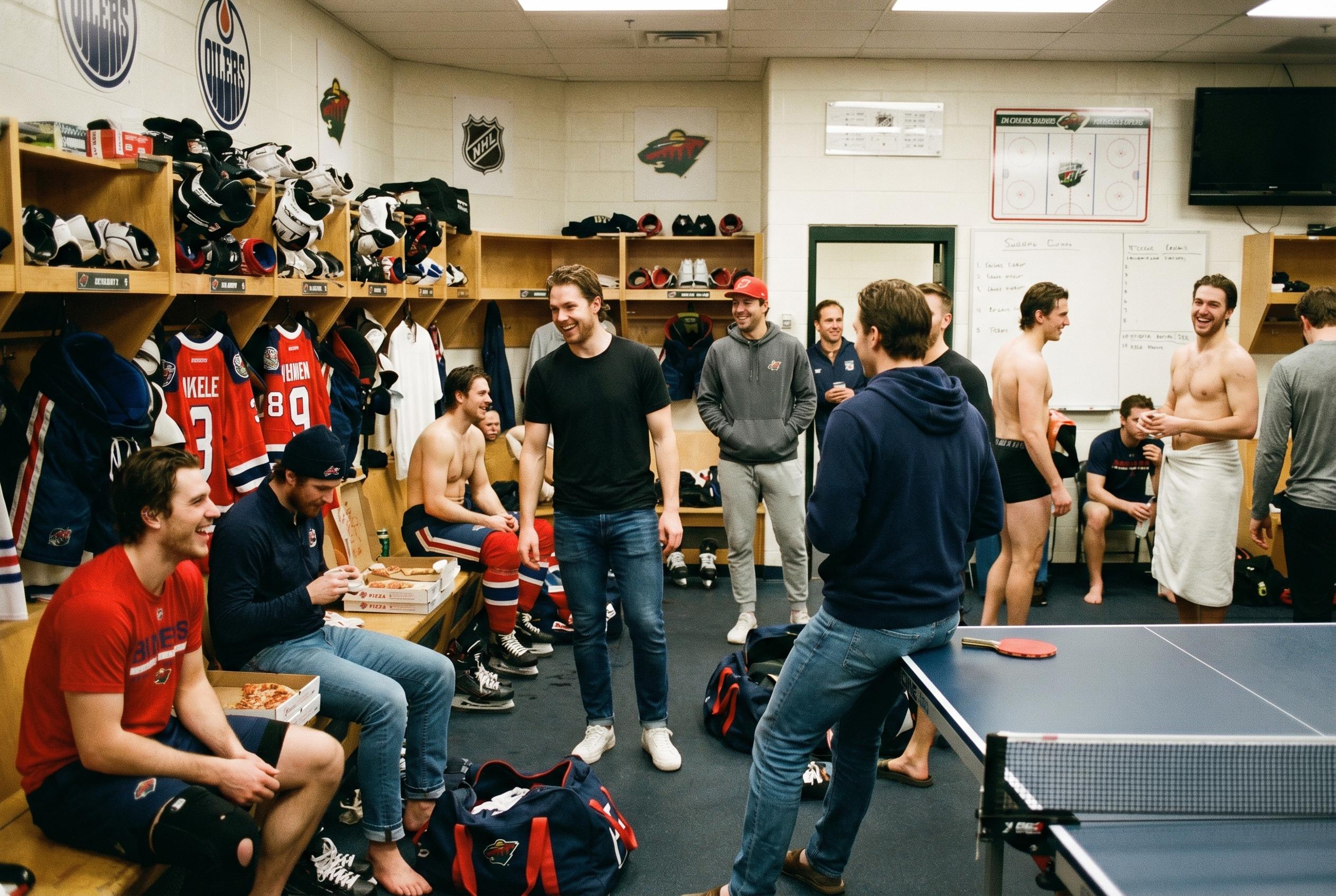
Shoppers are turning to hockey stories with a grin , Luke Prokop’s recent chat on the No Straight Answers podcast lifts the lid on locker-room banter, camaraderie and the comic ways teams defuse awkwardness, and it matters because it reframes what inclusivity looks like in pro sport.
Essential Takeaways
- Candid tone: Luke Prokop tells stories with humour, saying teammates regularly make bawdy jokes and rib each other , "gay" banter included , which he uses to normalise his presence.
- Coming out privately: Prokop came out first to family, then four close friends, describing a tense silence that turned into an affectionate, joking response.
- Locker-room culture: Hosts and guests compare men’s and women’s team dynamics; playful ribbing and frank talk about bodies and sex are common.
- Media momentum: Prokop’s profile has grown since coming out; a documentary about his career is due in June and recent queer sports media helped push it over the line.
- Humour as strategy: Prokop actively invites jokes about his sexuality to make introductions easier and reduce awkwardness.
A straight-up opening: locker rooms are loud, messy and often hilarious
Prokop’s clip on Zoe Boyd’s No Straight Answers podcast lands with a laugh because it’s vivid , the sort of sweaty, loud, slightly embarrassing scene you can almost smell. According to reporting in outlets such as the NHL and ESPN, Prokop’s public coming out in 2021 made him a visible queer athlete and his anecdotes now read as part of a broader conversation about inclusivity in hockey. The shock value isn’t the point; it’s the everyday normality of the jokes that surprises people.
How he came out , quiet kitchen, louder friendships
Prokop’s account of telling his closest mates , sitting round a kitchen island in anxious silence, then being met with warm, if awkward, curiosity , is familiar and human. Teen Vogue and other profiles chart his coming-out timeline alongside his early professional career, and the moment those friends broke the silence by asking a jokey question became a treasured bit of locker-room lore. It’s a reminder that honesty often lands better than we fear, and that close friendships can pivot from tension to tenderness.
Why humour is his armour , and why teammates play along
Prokop says he actively encourages teammates to tease him, because jokes defuse awkwardness and help everyone relax. It’s a small social tactic with big returns: when people laugh together they bond faster. Reports from NHL coverage and feature pieces suggest teams in Milwaukee and elsewhere welcomed him by doing exactly that , witty banter, back-and-forth teasing, everyone taking the piss. That approach is pragmatic and humane, and it flips the script on how we think allyship looks in a male-dominated sport.
From personal story to public narrative: the documentary lift
Heated Rivalry and similar queer-tinged stories have increased appetite for LGBT+ sports tales, and Prokop says that momentum helped his own documentary, The Hockey Player, reach completion. Outsports and NHL features have tracked how visibility feeds opportunity: more attention equals more funding, which equals more stories told. For readers, that’s worth noting , the cultural ripple of one athlete’s honesty can help get other queer projects made and seen.
What this means for young players and fans
If you’re a young player wondering whether there’s space for you in a locker room, Prokop’s experiences offer a tangible path: openness, a sense of humour, and the support of teammates can make a huge difference. Coverage by the NHL and ESPN shows he’s still pursuing his on-ice goals while navigating the spotlight. Practical tip: if you’re joining a new squad, lean on shared rituals , jokes, team banter, rituals in the dressing room , to build connection, and set boundaries where needed.
It's a small change that can make every locker-room laugh feel like progress.
Source Reference Map
Story idea inspired by: [1]
Sources by paragraph: